Research Vessel Prince Madog Achieves LR Certification for Hydrogen Fuel Cell Retrofit
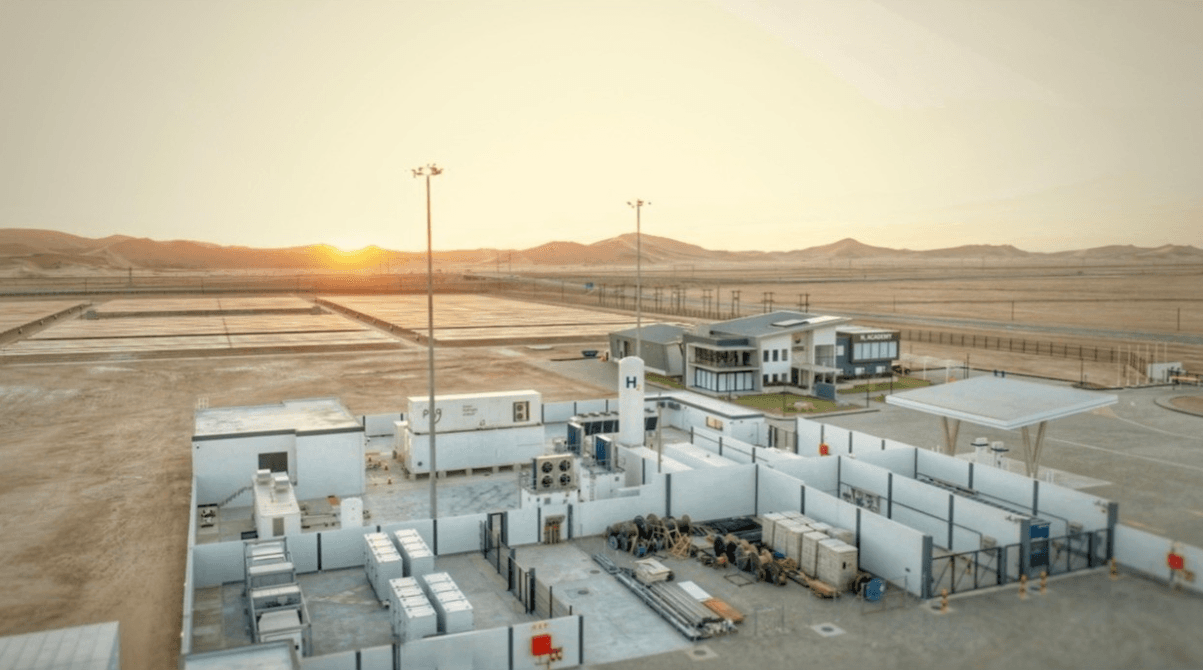
A UK research vessel received Lloyd's Register certification for its hydrogen fuel cell retrofit, advancing maritime decarbonization.
Articles tagged with the IMO Decarbonization topic across every transport mode.
A UK research vessel received Lloyd's Register certification for its hydrogen fuel cell retrofit, advancing maritime decarbonization.
Chimbusco Pan Nation (CPN) completed its first B100 marine biodiesel bunkering for a tanker in Hong Kong.
A new report from the Korean Register and KIMM provides a roadmap for hydrogen ship safety standards.
Vitol's 2025 ESG Report shows progress in refinery ESG strategy and its shipping fleet exceeding IMO carbon intensity goals
ABS has approved the electrical design for a 16,000-TEU battery hybrid ultra-large container ship by HD KSOE and HD HHI
Exmar has received the Antwerpen, the world's first oceangoing vessel powered by a dual-fuel ammonia engine.
A new ICS report supports onboard carbon capture as a key near-term solution for cutting shipping emissions.
Thordon Bearings is advocating for a new "sterntubeless" ship design to prevent oil pollution and lower operating costs
Shipping frequently misjudges clean technology efficiency, using theoretical figures instead of practical performance data.
Europe can enhance its maritime competitiveness and climate policy by accelerating methane emission reductions from shipping, a new report…

An AI-designed Crew Transfer Vessel (CTV) has achieved significant fuel and CO2 reductions through optimized ship design.

ABS suggests IMO decarbonization rules could exceed shipping's readiness due to alternative fuel supply constraints
Verde Marine Energy is now fully compliant with the EU's RED III directive, enhancing its sustainable marine biofuel supply.
DNV has certified bound4blue's Model 3-24 eSAIL, its largest suction sail, for enhanced vessel fuel efficiency.
Lloyd's Register delivered an energy transition roadmap to TMS Tankers, addressing emissions regulations and compliance pathways.
FuelEU Maritime pooling values for B100 and LBM biofuels have fallen, impacting their cost-effectiveness for compliance
A joint development project integrating rotor sails into MR tanker designs has received Approval in Principle from DNV.
The IMO urged its 176 member nations and the global shipping sector to enhance the practical application of marine environmental…
Accelleron and Whale Guardians are collaborating to integrate whale protection data into voyage optimization for safer shipping.

ABS proposes an efficiency credit system to augment IMO carbon rules, offering incentives for advanced decarbonization efforts.

ABS calls for a more flexible IMO decarbonization framework, citing fuel and infrastructure challenges for global fleet compliance
ABS has issued Approval in Principle for a nuclear reactor system intended for cargo vessel propulsion, developed by MIT and HD Korea…
ABS has released an open letter outlining a data-driven strategy for maritime decarbonization, supporting IMO's mid-term measures
Seascale Energy and Lloyd's Register Advisory are collaborating to share knowledge on low-carbon fuels and maritime decarbonization.
The EU is exploring financial pathways to decarbonize aviation and shipping, essential for meeting 2050 climate targets
An Indian firm will export 250,000 mt/year of e-methanol to Sri Lanka for bunkering, supporting green shipping initiatives
HD Hyundai is expanding its small modular reactor (SMR) propulsion technology to car carriers, aiming for leadership in eco-friendly vessels

UECC has cut RoRo emissions over 10 years with dual-fuel LNG, hybrid ships, and bioLNG, advancing net-zero goals
RINA certified Baker Hughes' NovaLT16 gas turbine for marine propulsion, allowing operation on natural gas and 100% hydrogen.
Jiangnan Shipyard has revealed a concept for a nuclear-powered container ship using Molten Salt Reactor technology for zero emissions
Browse by mode or open the Intelligence Suite for cross-cutting briefs.