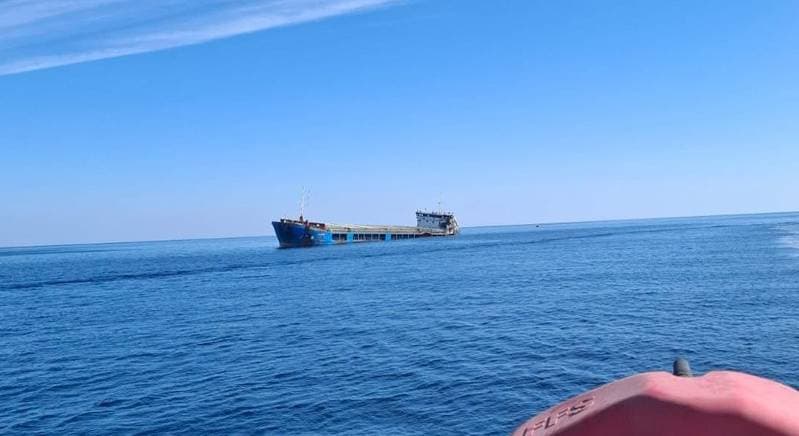
On Thursday, the number of commodity ships transiting the Strait of Hormuz was halved compared to the previous day, with only seven vessels recorded, four entering and three exiting. This decline, based on data from ship-tracking firm Kpler, highlights increasing apprehension about maritime safety in the Middle East region.
The reduction in vessel movements coincides with the ongoing uncertainty surrounding peace talks between the United States and Iran. The stalled diplomatic efforts contribute to a volatile environment, prompting shipping companies to exercise greater caution when navigating this critical waterway.
For freight forwarders and shippers, this situation implies potential disruptions to supply chains reliant on the Strait of Hormuz. Reduced vessel traffic could lead to increased transit times, higher insurance premiums due to elevated war risk, and potential rerouting considerations, all of which may impact freight rates and delivery schedules for commodities moving through the region.
The immediate outlook suggests continued vigilance will be necessary, as the pace of shipping through the Strait will likely remain sensitive to geopolitical developments between the US and Iran.