75d ago·Bunkerspot
H2Global and Maersk Center Partner on Market-Based Decarbonization for Shipping
H2Global Foundation and Maersk Center signed an MoU to explore market-based instruments for shipping decarbonization
Articles tagged with the IMO Decarbonization topic across every transport mode.
H2Global Foundation and Maersk Center signed an MoU to explore market-based instruments for shipping decarbonization
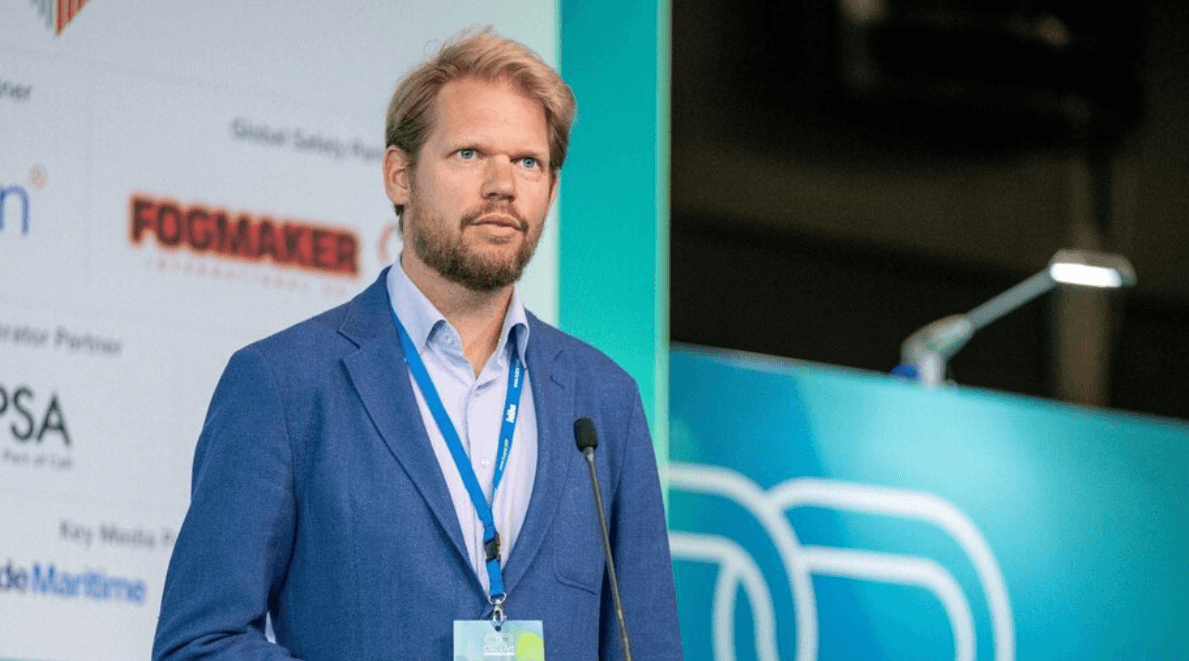
The Port of San Diego selected PortXchange Emission Insider to boost emissions visibility and support decarbonization goals.
Lloyd's Register verified AkzoNobel's marine coatings performance analysis, ensuring compliance with ISO 19030 for hull efficiency.
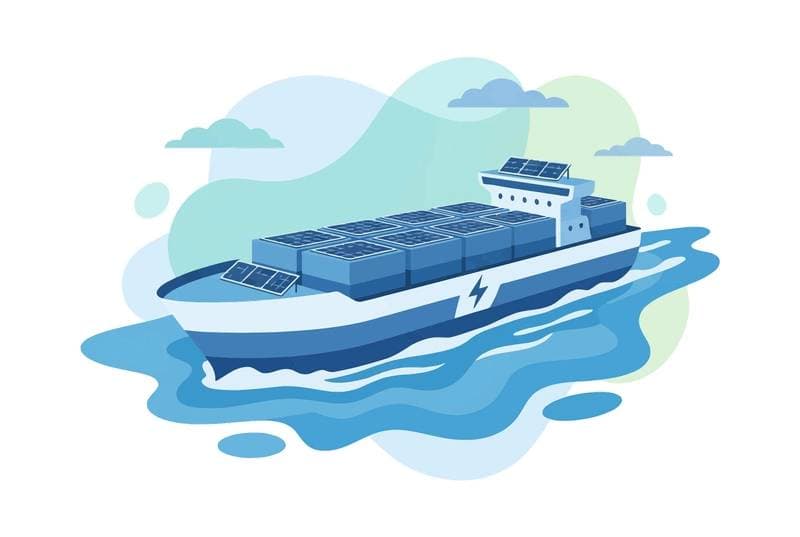
The maritime sector is increasingly adopting battery-hybrid propulsion, moving beyond fully electric vessels to integrate batteries for…
Project CAPTURED has received formal EU ETS recognition and IMO in-principle support for carbon mineralisation
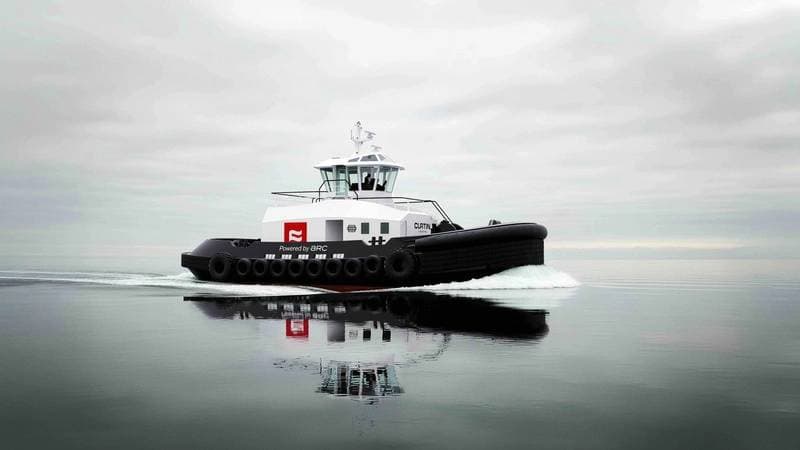
Arc has joined the Maritime Battery Forum to advance electric and hybrid propulsion for commercial vessels
Wallenius Wilhelmsen's M/V Arctic Tern received its first green methanol bunkering in Shanghai, advancing decarbonization.
Nick Potter, AET CEO, now co-chairs the CEM-HUBS Steering Committee, focusing on de-risking green marine fuel investments
A new joint development project will assess wind-assisted propulsion for commercial viability in the MR tanker sector.
Wärtsilä recorded an all-time high order intake in Q2, fueled by decarbonization initiatives and geopolitical shifts.
Anemoi has secured new Bureau Veritas approvals for its Rotor Sail configurations, enhancing technical assurance for shipowners.
Yang Ming and PSA International are combining low-carbon shipping with electrified terminal operations for integrated emissions reduction.
India's abundant renewable resources enable low-cost production of green hydrogen and ammonia, crucial for shipping decarbonization
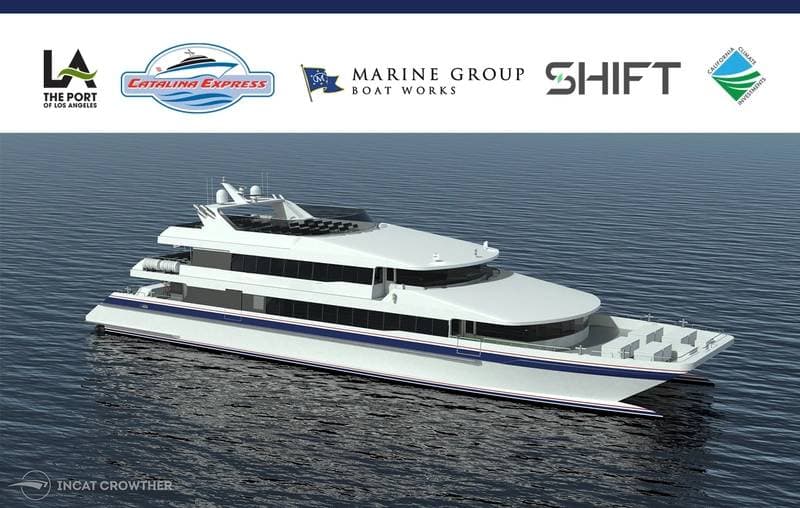
Marine Group Boat Works will build a new low-emissions passenger ferry for Catalina Express, enhancing sustainable transport
ABS has approved a 15,000 TEU nuclear-powered container ship design from South Korean research institutes.
The EU will not impose penalties for methane emission non-compliance on energy imports until 2030, despite rules starting in 2027
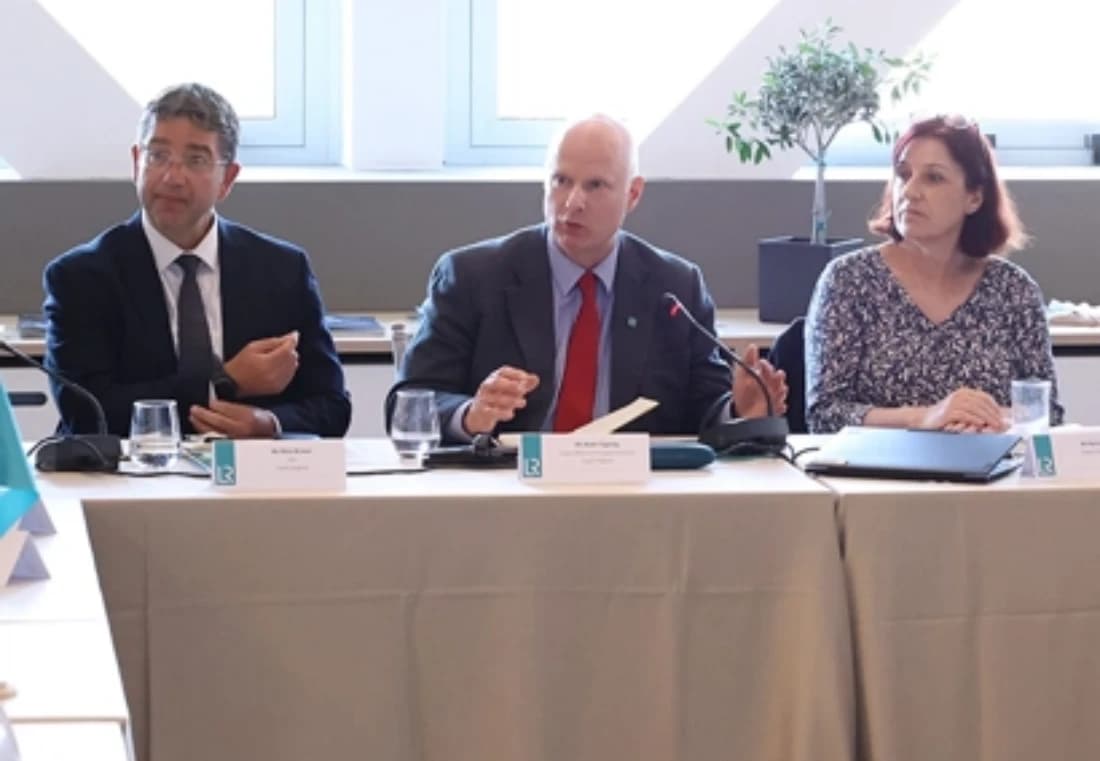
Nuclear propulsion for commercial shipping is moving from concept to reality, with regulatory and technical advancements accelerating.
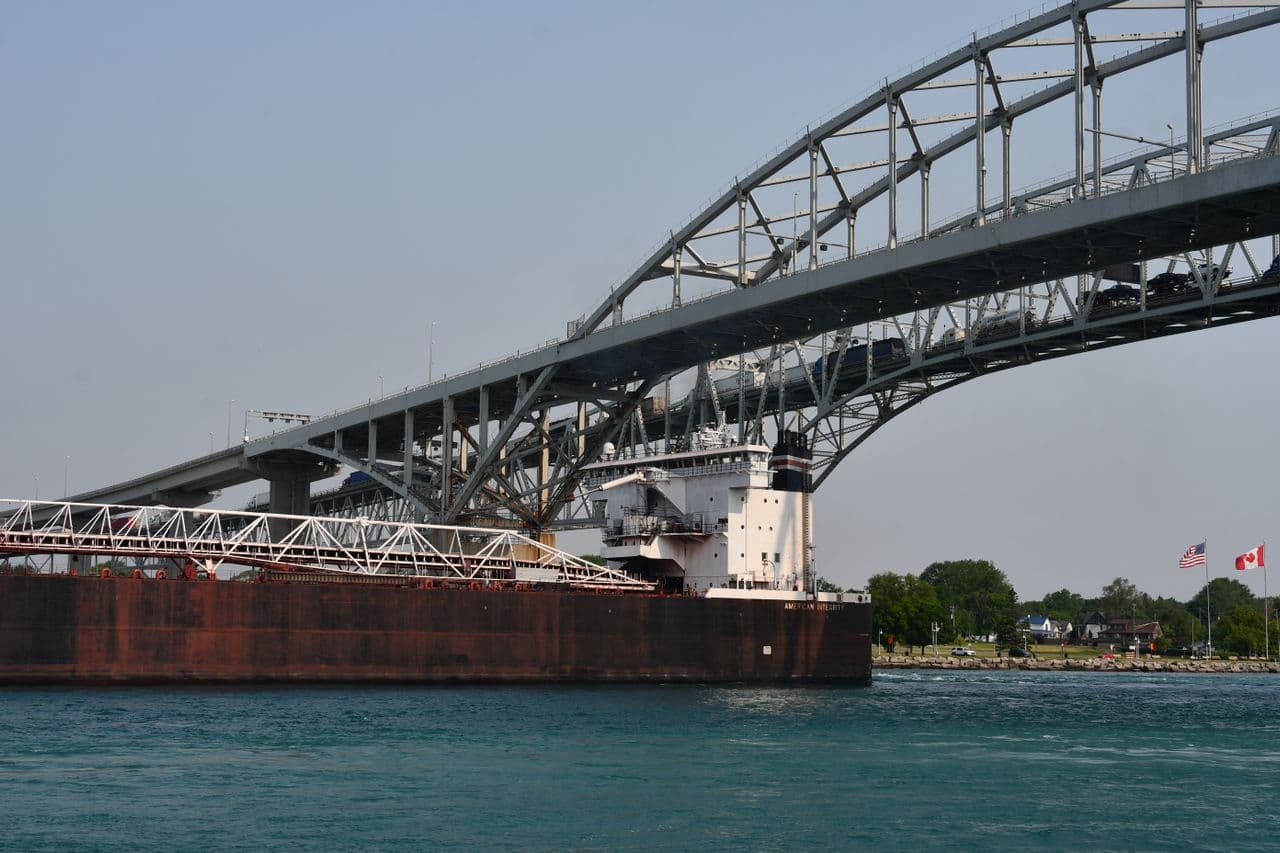
Great Lakes regulations show how regional rules can effectively prevent maritime pollution, particularly oil leaks from propeller shafts
MMMCZCS has open-sourced its Navigate software, a maritime decarbonization pathway simulation tool, for industry scrutiny
A new study by EY-Parthenon indicates that shipping decarbonization is a complex challenge beyond just alternative fuels
J-ENG's ammonia-fueled engine, UEC50LSJA, won Japan's Marine Engineering of the Year award, advancing maritime decarbonization
EXMAR's Antwerpen, the world's first ammonia-powered oceangoing vessel, completed its initial commercial voyage from China to India
NatPower Marine states EU electrification plans necessitate faster port investment in shore power for cleaner shipping and lower emissions
Global port throughput increased by 6.5% in 2025, with decarbonization becoming the primary environmental focus for terminal operators
MEPC 84 broadly agreed on the direction for shipping's decarbonization, but the specific route remains contested
New gas carriers will integrate Wärtsilä 25 ammonia engines to comply with upcoming environmental regulations
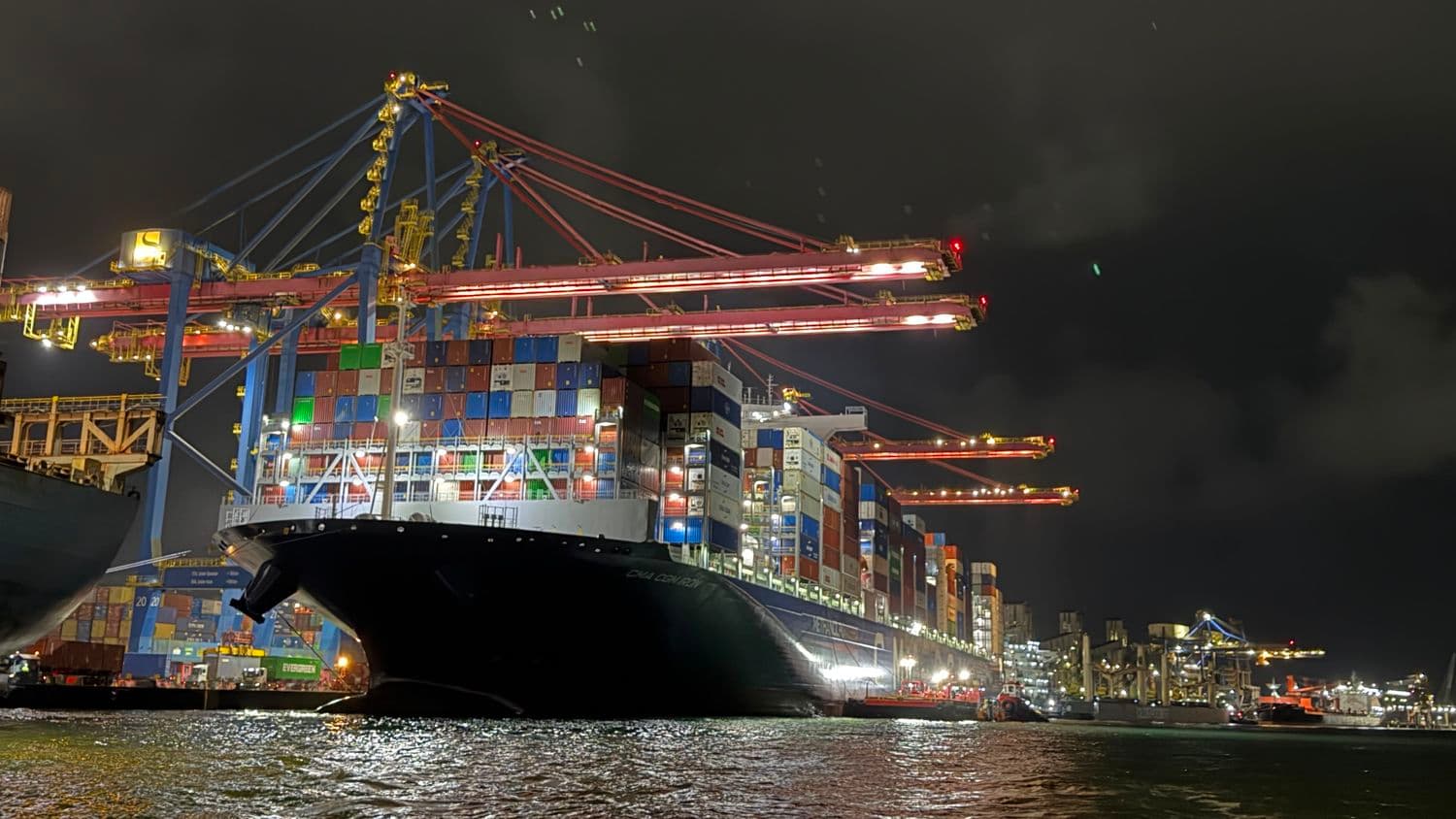
Bunker One completed Latin America's first bioethanol bunkering for an ocean-going vessel, advancing sustainable shipping
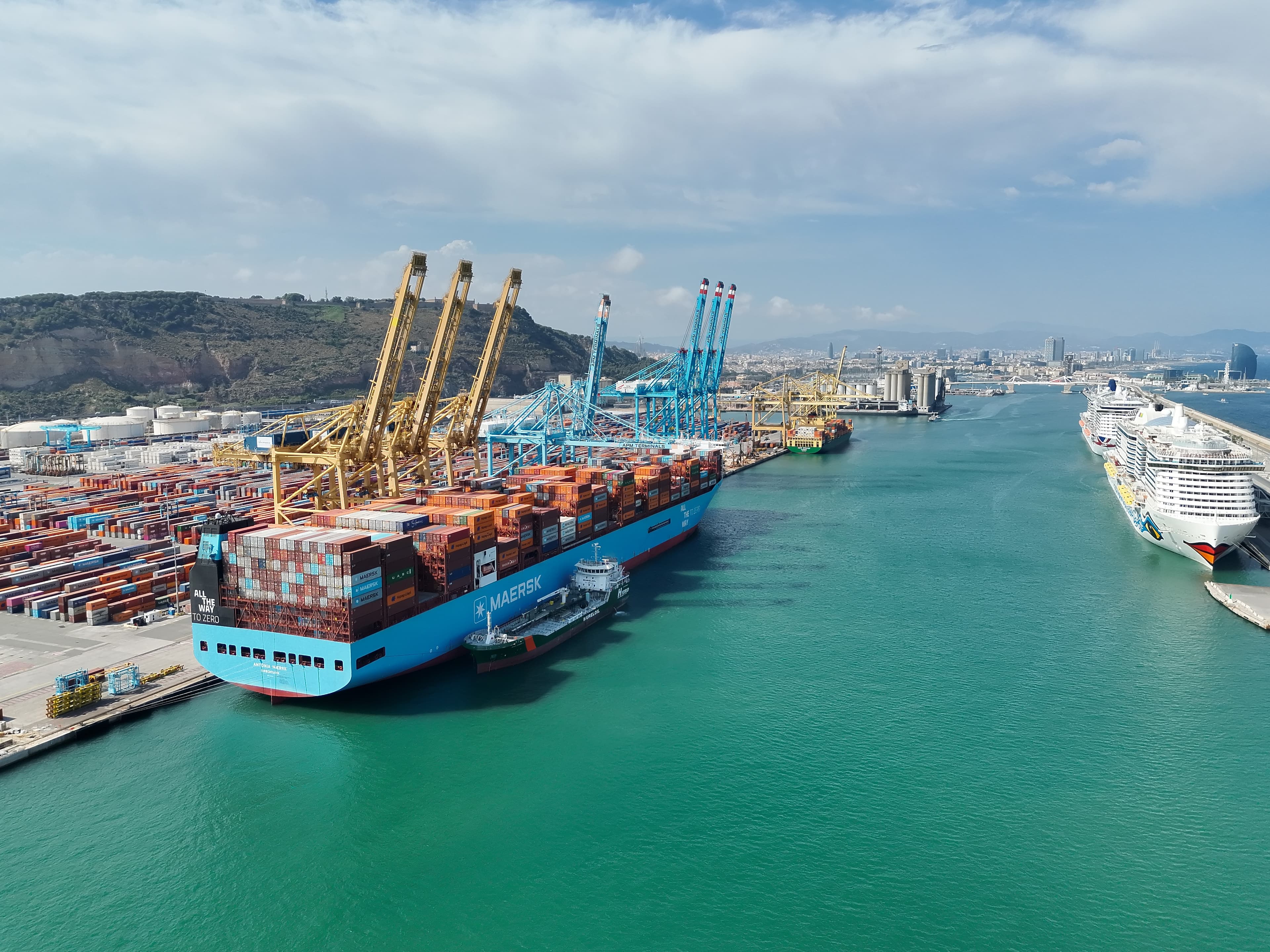
Repsol supplied its first bioethanol marine fuel to a Maersk vessel in Barcelona, advancing sustainable shipping.
The World Shipping Council supports EU ETS revisions for maritime decarbonization but warns new port rules may hinder competition.
Greek shipowners are focusing on efficiency, data, and design to future-proof their fleets, according to ABS.
Browse by mode or open the Intelligence Suite for cross-cutting briefs.