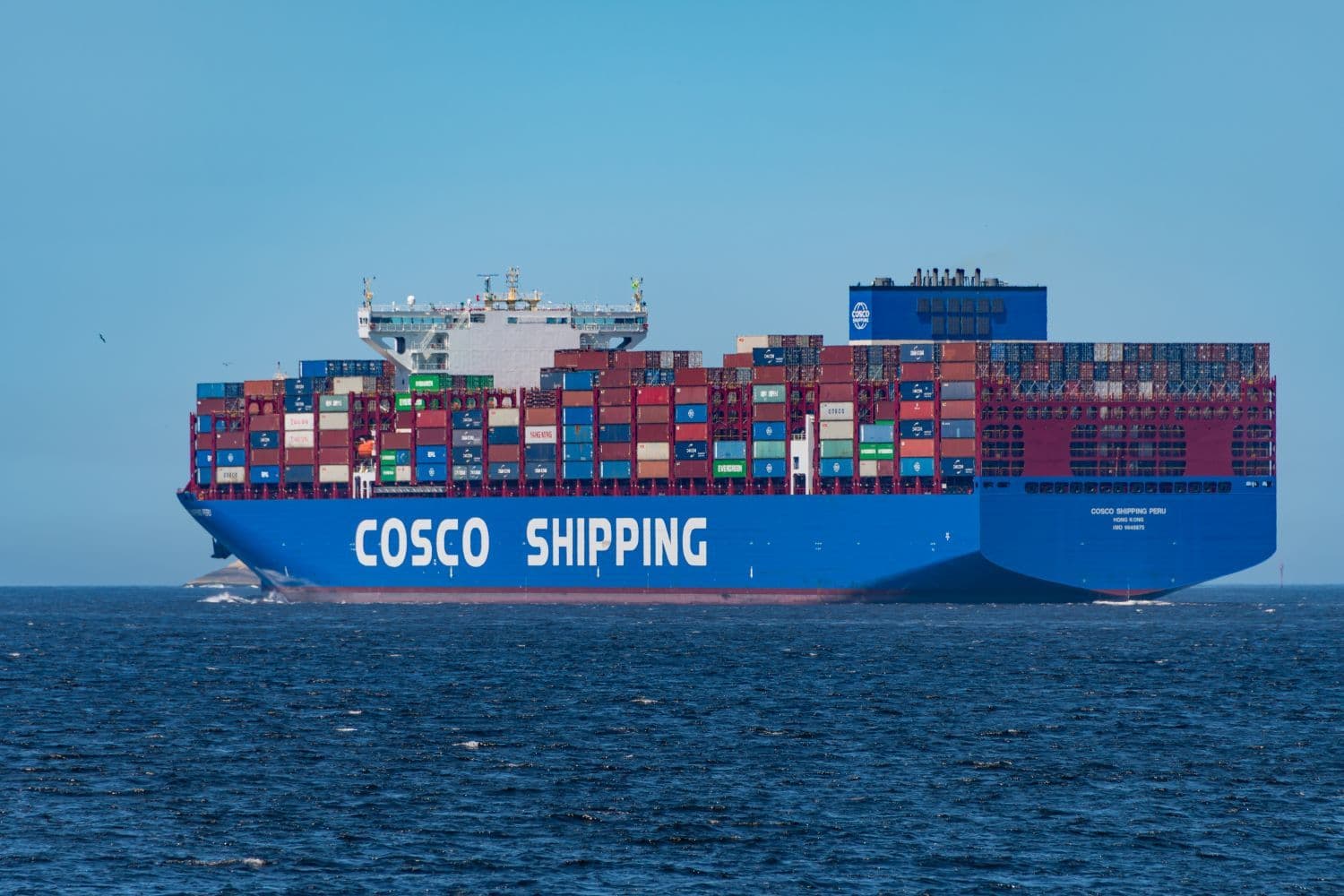
The European Union is currently investigating various financing mechanisms to facilitate the decarbonization of its aviation and shipping industries. These sectors are fundamental to the EU's economy and underpin the functionality of numerous other industries. However, their heavy reliance on fossil fuels poses significant challenges to the EU's objective of achieving climate neutrality by 2050 and reducing overall transport emissions by 90%.
This push for decarbonization is driven by the EU's ambitious climate targets, which necessitate a substantial shift in energy sources and operational practices within these key transport modes. The transition is not only about direct emissions from aviation and shipping but also about their indirect impact on Scope 3 emissions across various supply chains.
For freight forwarders and logistics professionals, this focus on financing decarbonization signals potential future shifts in operational costs and available infrastructure. Investments in alternative fuels and green technologies could lead to new surcharges or incentives, influencing carrier selection and routing decisions. Forwarders may need to adapt to evolving regulatory frameworks and potentially higher costs associated with sustainable shipping and air cargo options as these financing models mature. The long-term goal is a more sustainable logistics ecosystem, but the transition period will likely involve adjustments in pricing and service offerings.