41d ago·Hellenic Shipping News
ClimeCo and Marsoft Issue First GreenScreen Shipping Carbon Credits
ClimeCo and Marsoft have issued the first GreenScreen shipping carbon credits, targeting vessel decarbonization.
Articles tagged with the IMO Decarbonization topic across every transport mode.
ClimeCo and Marsoft have issued the first GreenScreen shipping carbon credits, targeting vessel decarbonization.
European projects STEESMAT and ALL-DC-SHIPS are collaborating to develop direct-current (DC) power systems for ships.
An Ultramax bulk carrier, Maria Topic, now features OceanWings' rigid wingsail technology, enhancing fuel efficiency and reducing emissions.
Greek shipowners are heavily invested in LNG carriers, holding 23% of the global fleet, aligning with decarbonization goals
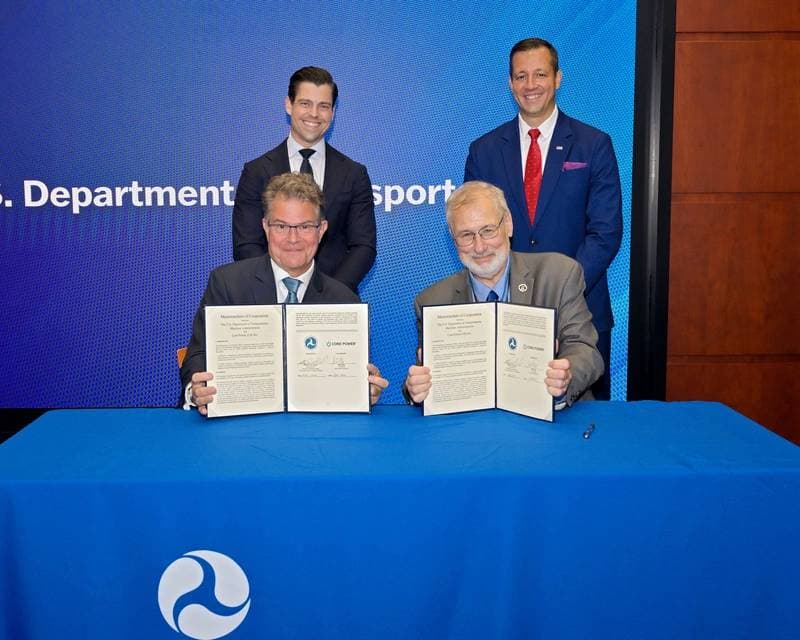
MARAD and CORE POWER (US) Inc. signed an agreement to advance U.S.-flagged commercial ships using small modular reactors
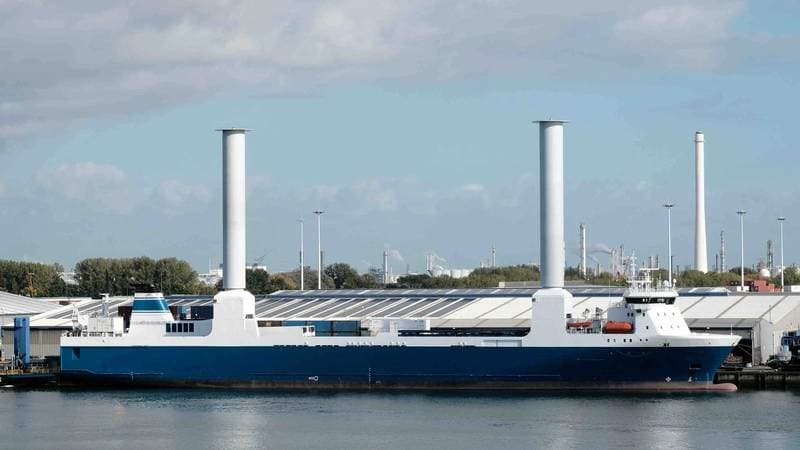
Wind propulsion technology will have its largest presence at the SMM trade fair, underscoring its rapid commercial expansion.
Japan's government launches second funding round for zero-emission vessel development, targeting hydrogen, ammonia, and electric propulsion
Mitsui E&S has successfully commercialized its large ammonia-fueled marine engines and fuel supply systems after extensive testing
China's green methanol projects are largely stalled due to undeveloped bunkering infrastructure and unclear compliance frameworks
The US government is advocating for nuclear power in commercial shipping, pushing for its inclusion in future energy strategies.
Port of Corpus Christi's endorsement of nuclear propulsion for shipping marks a pivotal moment for maritime energy.
PowerCell Group received a SEK 21 million order from DLR for an integrated Fuel-to-Power system for maritime testing
Effective representation at the IMO relies on preparation, regular contact, and clear communication before delegates enter committee rooms
The new BBNJ Agreement, now in force, sets global rules for marine biodiversity protection in international waters.
US FMC Chairman advocates for bio-LNG inclusion in IMO's Net Zero Framework, intensifying debate ahead of MEPC meetings
Climeon has finished installing its HeatPower 300 system on a second container ship, completing a two-vessel retrofit project.
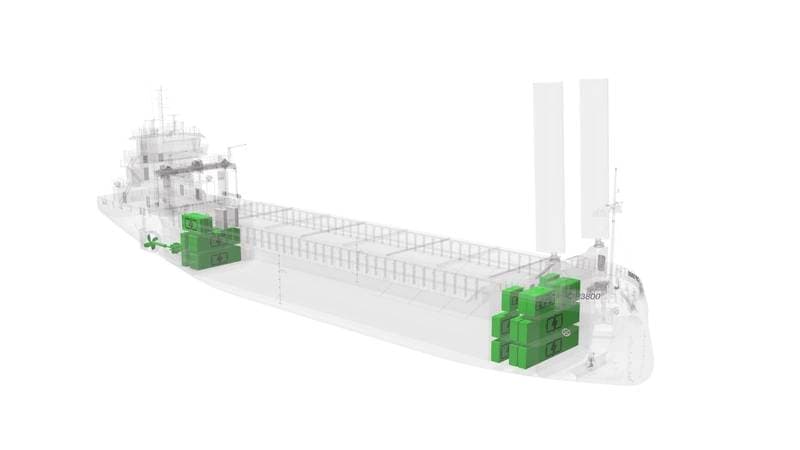
Conoship International has launched an all-electric version of its CIP3800 general cargo vessel, featuring a 40-MWh battery system.
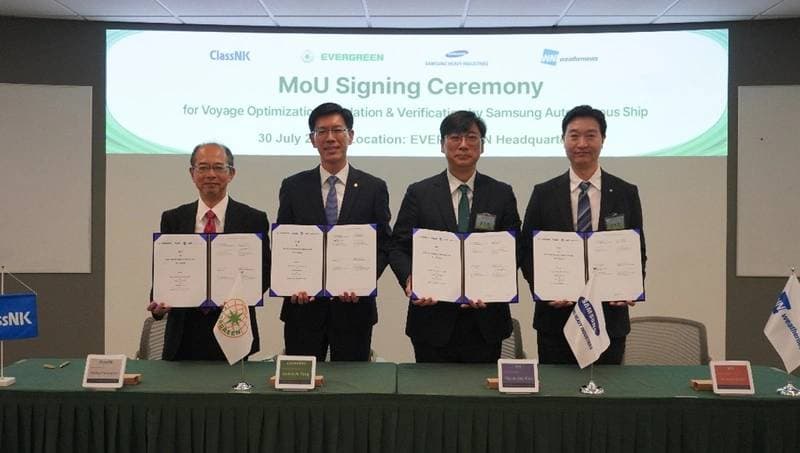
ClassNK joins a project to verify fuel and GHG reductions from AI-based autonomous navigation systems in shipping.
Biomethane supply for shipping could fall short of 2030 demands due to infrastructure and regulatory challenges, not feedstock
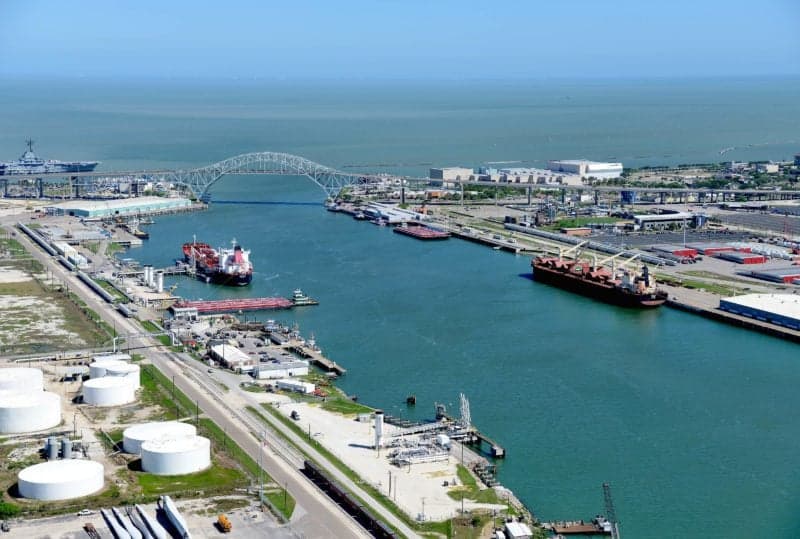
Port of Corpus Christi collaborates with MARAD to explore nuclear technology for U.S. maritime shipping.
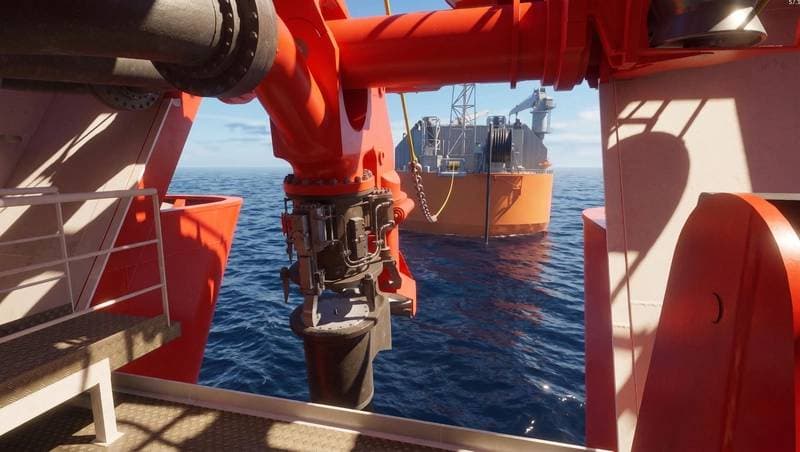
MacGregor's new LCO2 transfer system enables direct ship-to-well injection, supporting the EU's carbon capture goals
Industry stakeholders are being surveyed on alternative marine fuels, including biofuel safety and broader adoption challenges
AECO received a NOK 400,000 grant to bolster its Climate Change Project, focusing on Arctic cruise emission reduction
A new governance body will oversee the use of Ro-Ro GHG emissions data to enhance transparency and reliability.
Two key maritime alliances have partnered to help the shipping industry meet emission regulations and transition to cleaner fuels
The Clean Arctic Alliance has raised environmental concerns about container ships increasingly using the Northern Sea Route.
Norway's Hellesylt Hydrogen Hub is now RFNBO-certified, meeting EU sustainability standards for renewable hydrogen.
Biomethane is a viable near-term option for shipping to meet initial IMO Net Zero Framework emissions targets if mass balancing is allowed
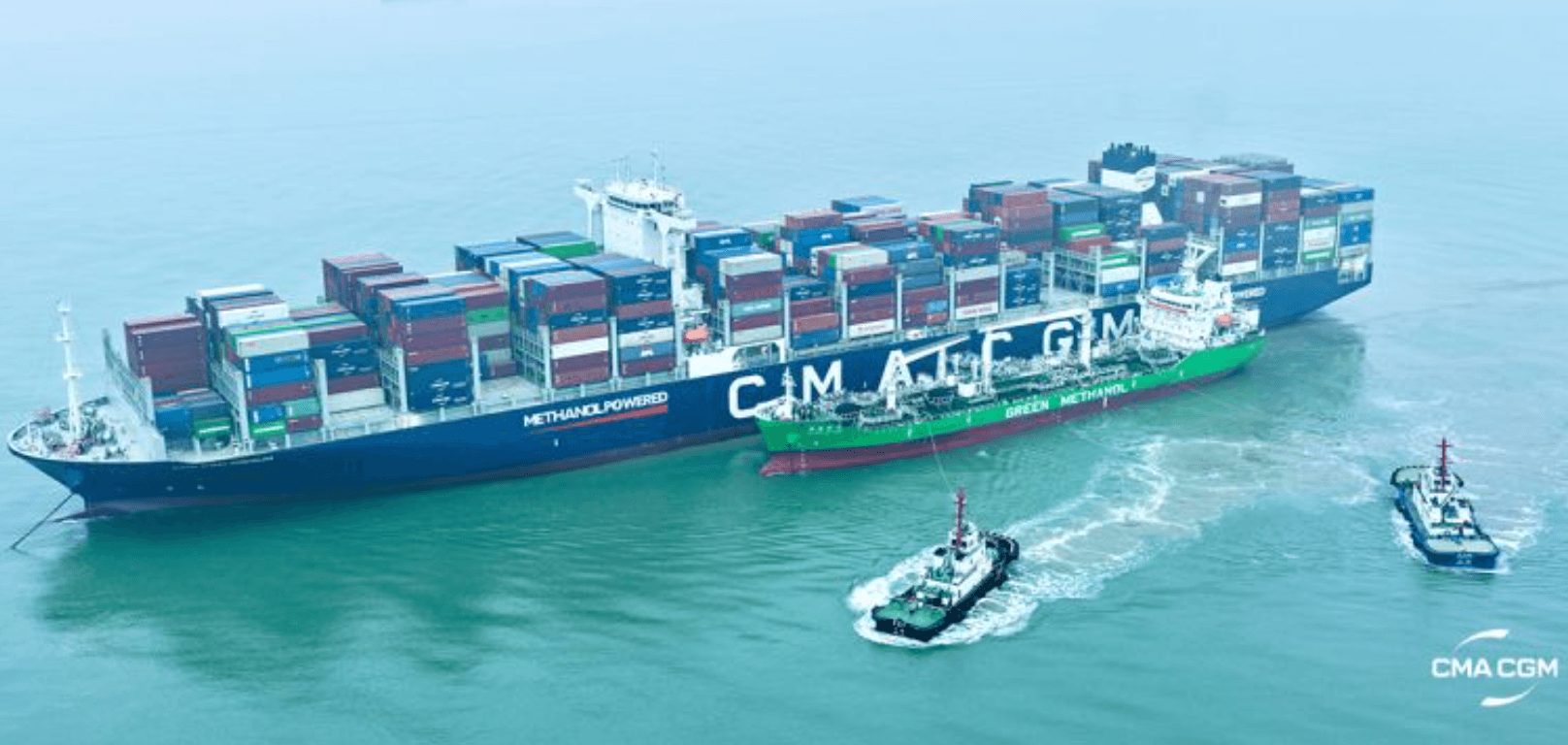
CMA CGM's vessel, CMA CGM OSMIUM, received 8,016 tonnes of biomethanol at Shanghai Port for its South America voyage
CMA CGM's 15,000 TEU vessel completed the world's largest green methanol bunkering at Shanghai Port
Browse by mode or open the Intelligence Suite for cross-cutting briefs.