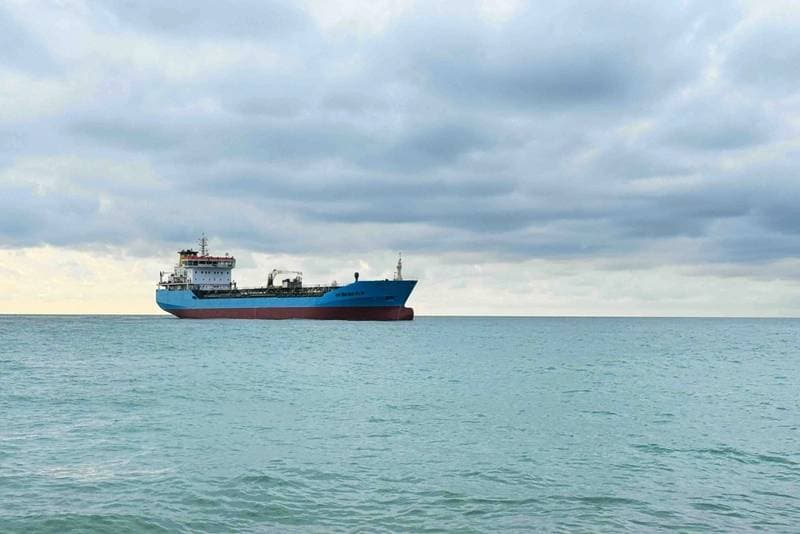
The U.S. Coast Guard (USCG) is taking proactive steps to prepare for the potential return of nuclear propulsion in commercial shipping. This involves creating a comprehensive regulatory framework and specialized training programs for personnel who will oversee and operate these advanced vessels. The USCG's efforts are focused on ensuring the highest safety and security standards for nuclear-powered ships, which could offer significant environmental and operational advantages over traditional fossil-fueled vessels.
This initiative comes as the maritime industry explores various decarbonization strategies, with nuclear power emerging as a zero-emission option for long-haul shipping. While nuclear propulsion has been used in naval vessels and a limited number of commercial ships historically, its broader adoption requires robust regulatory support and skilled crews. The USCG's work is critical in building the necessary infrastructure and expertise to facilitate this technological shift.
For freight forwarders and shippers, the reintroduction of nuclear-powered vessels could eventually lead to more stable transit times due to enhanced operational efficiency and reduced reliance on volatile bunker fuel prices. It also aligns with increasing demands for sustainable supply chains, potentially offering a greener alternative for cargo transport. However, initial deployment will likely be slow, with high upfront costs and stringent regulatory hurdles to navigate.
Looking ahead, the USCG's ongoing development of these standards will be crucial for the maritime industry's ability to adopt nuclear technology. This foundational work will dictate the pace and scope of future nuclear-powered vessel deployments, influencing vessel design, port infrastructure requirements, and crew qualifications.