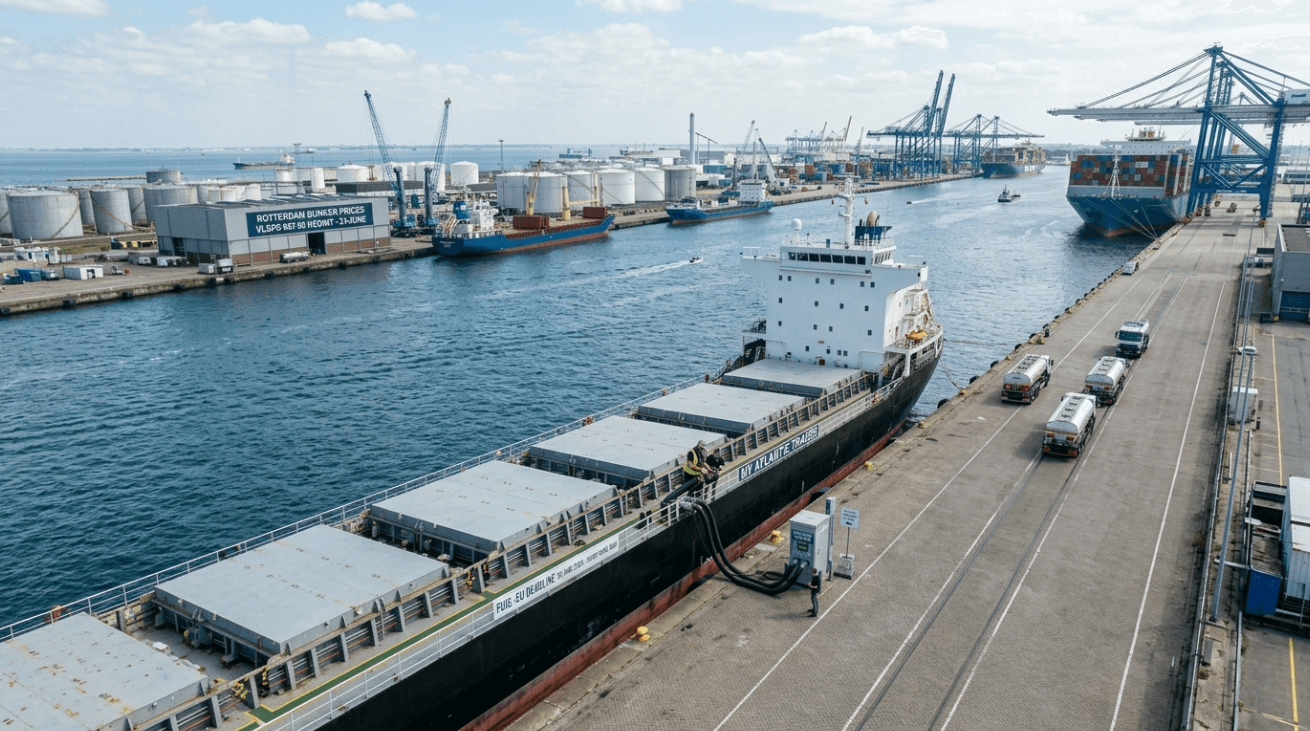
The impending FuelEU Maritime compliance deadline is presenting significant challenges for shipowners, particularly in the breakbulk and project cargo segments. Key obstacles include persistently high bunker fuel prices, which increase operational costs, and a noticeable lack of engagement from charterers in adopting more sustainable practices or investing in greener technologies. Furthermore, the industry is seeing uneven implementation of efficiency-enhancing technologies across fleets, which further complicates the collective effort to meet regulatory emissions targets.
For freight forwarders and operations managers, this situation implies potential cost increases for ocean freight as carriers may pass on higher fuel and compliance expenses. The slow adoption of efficiency measures could also lead to less predictable vessel schedules if ships are forced to slow steam more frequently to meet emissions caps, impacting lead times and inventory planning. Forwarders should anticipate potential surcharges related to FuelEU compliance and engage proactively with their carrier partners to understand their decarbonization strategies and associated costs.
Looking ahead, the intensifying regulatory pressure across the maritime sector suggests that these challenges will likely persist. Shipowners will need to find ways to either absorb or pass on these costs, while charterers will eventually be compelled to increase their participation in decarbonization efforts to ensure continued access to compliant tonnage.