48d ago·Breakbulk.News
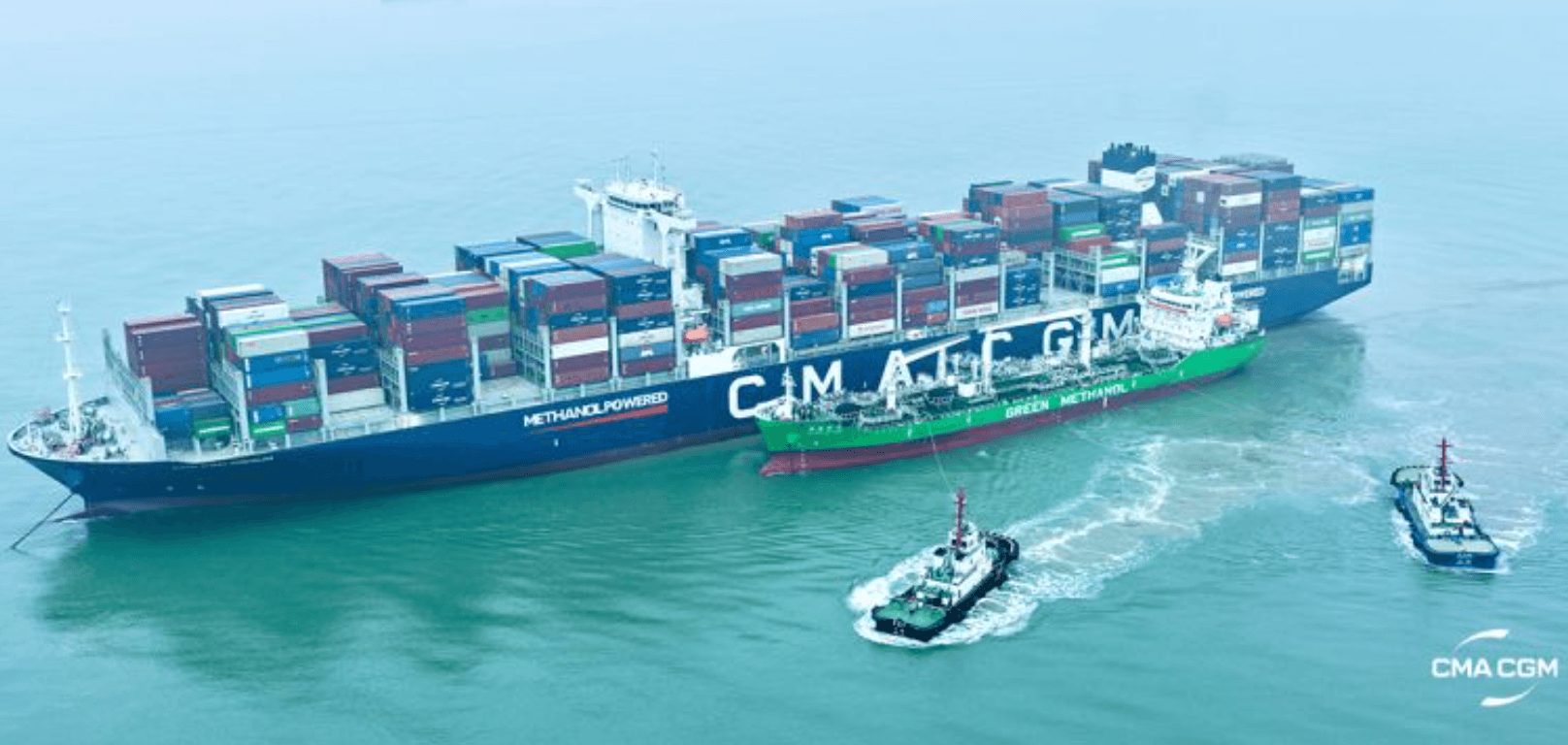
CMA CGM Vessel Bunkers 8,016 Tonnes of Biomethanol for South America Route
CMA CGM's vessel, CMA CGM OSMIUM, received 8,016 tonnes of biomethanol at Shanghai Port for its South America voyage
Articles tagged with the IMO Decarbonization topic across every transport mode.
CMA CGM's vessel, CMA CGM OSMIUM, received 8,016 tonnes of biomethanol at Shanghai Port for its South America voyage
CMA CGM's 15,000 TEU vessel completed the world's largest green methanol bunkering at Shanghai Port
Marine insurer NorthStandard has joined the Sustainable Shipping Initiative, prioritizing seafarer wellbeing through its Human Risk &…
ISO has published a new standard, ISO 22120:2026, for methanol bunkering transfer systems and equipment
Maritime decarbonization efforts are boosting battery demand, driving investment in critical mineral supply chains
ClassNK updated its alternative fuels guidelines, incorporating IMO's interim hydrogen safety standards and a leak frequency table
The UK is expanding its Emissions Trading Scheme to cover the maritime sector, introducing carbon pricing for shipping operations.
A new ICCT report details actions California can take to support renewable hydrogen-based fuels for shipping and aviation.
Everllence and Hudong-Zhonghua Shipbuilding are collaborating on a new 180,000 cbm LNG carrier with DFE+ propulsion
Towngas hosted a Hong Kong government delegation at its VENEX green methanol plant, which is scaling up production.
MOL recently named its third LNG dual-fuel VLCC, the Tsurugidake, for Equinor under a time charter agreement.
Carnival Corporation will install Silverstream Technologies' air lubrication systems on three new LNG-powered Ace Class cruise ships.
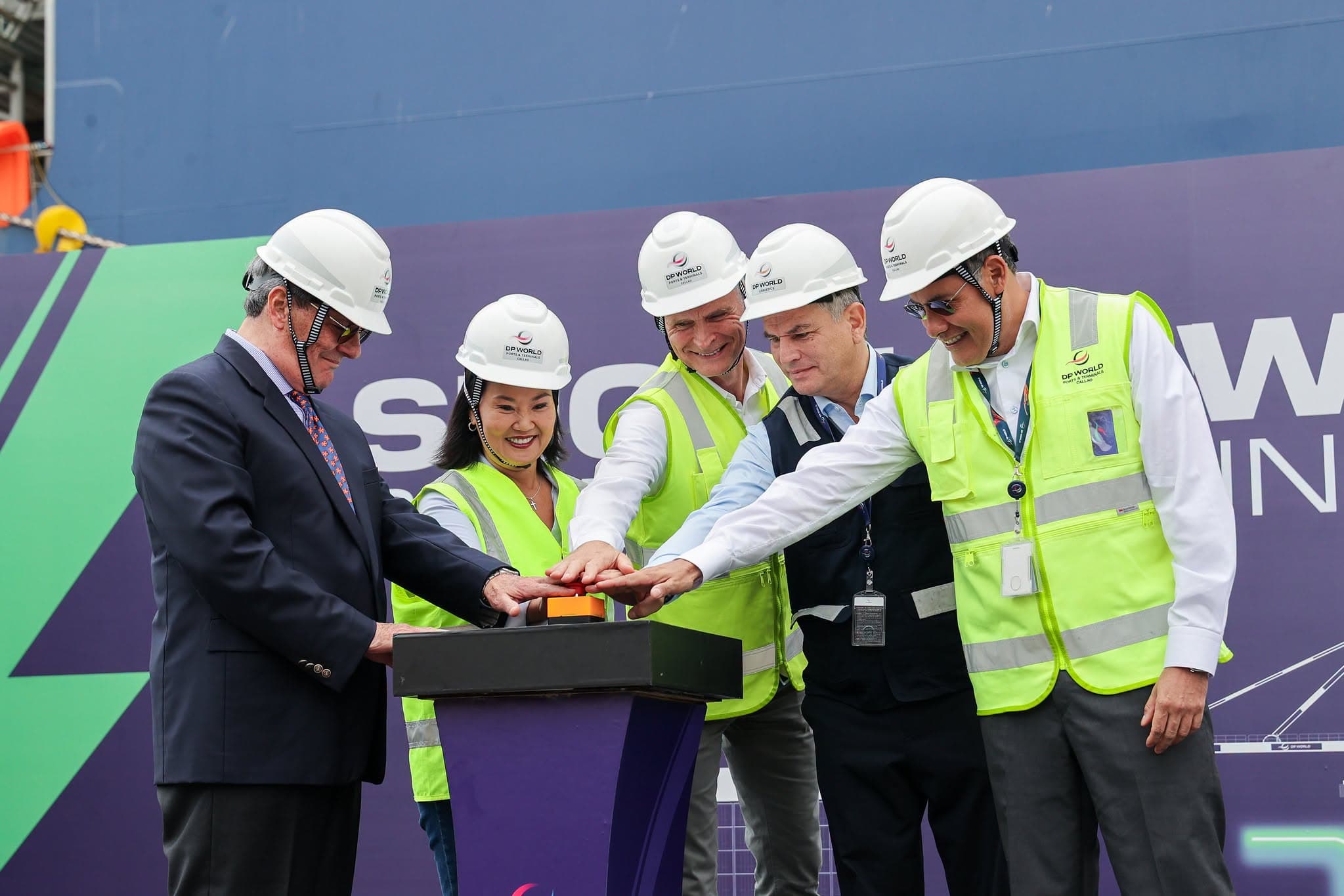
DP World Callao has begun shore power trials at Peru's Port of Callao, a first for Latin American terminals
The IMO's Intersessional Working Group will discuss greenhouse gas emissions ahead of the December MEPC session
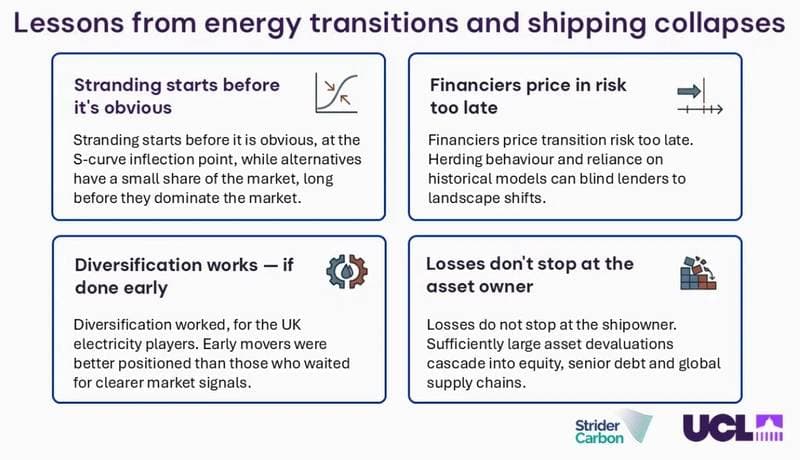
Shipping lenders and investors risk repeating past mistakes by backing assets that may become obsolete due to decarbonization.
New guidelines aim to prepare the shipping industry for the safe adoption of ammonia as a marine fuel.
A new proof of concept will validate high-frequency energy monitoring for onboard renewable energy systems.
Korean Register provides technical guidance for upcoming IMO pilot transfer regulations, effective January 2028, to improve safety.
Consistent emissions accounting across maritime regulations is vital for the widespread adoption of low-emission drop-in fuels.
BetterSea's new AI agent, Stylianos, helps maritime companies understand compliance exposure and optimize strategies for regulations like…
An IMO-funded seminar in Trinidad and Tobago focused on practical aspects of using ammonia, methanol, and hydrogen as marine fuels
Germany's Transport Ministry is providing €70 million to fund projects for zero and low-emission inland waterway vessels
ERMA FIRST is prioritizing flexible engineering and operational excellence for ballast water treatment in the maturing market
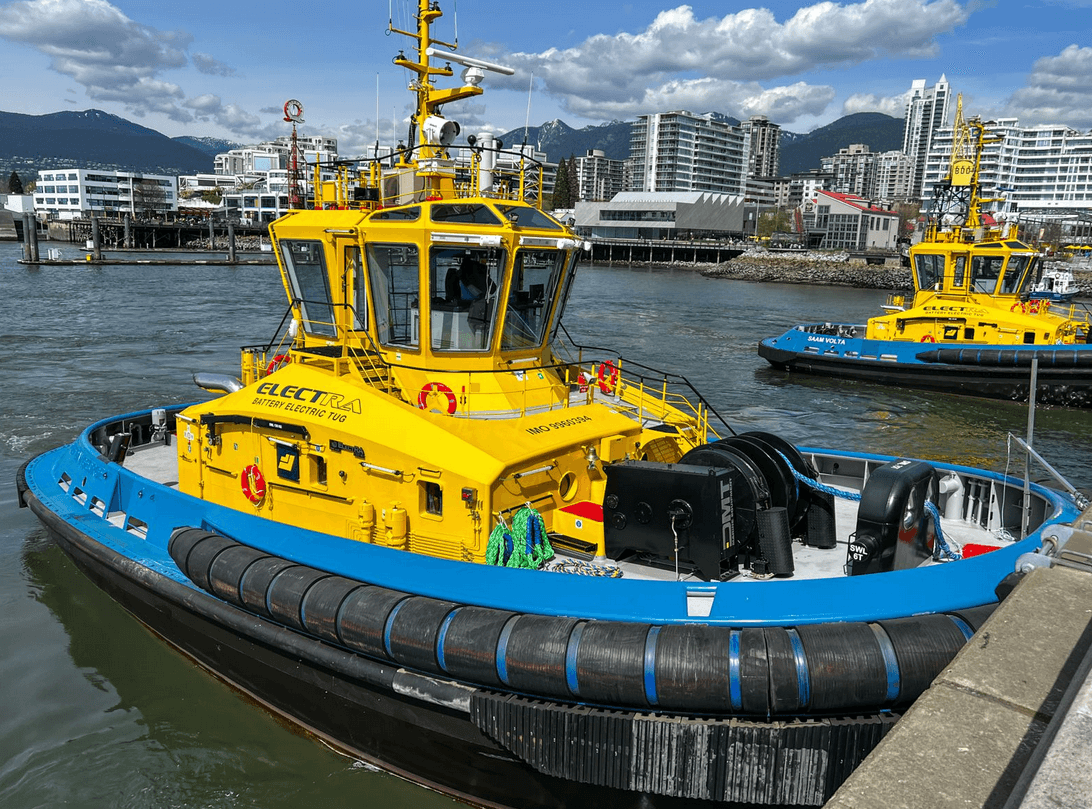
SAAM's new biodiversity strategy targets reducing marine noise, biofouling, and emissions in its towage operations
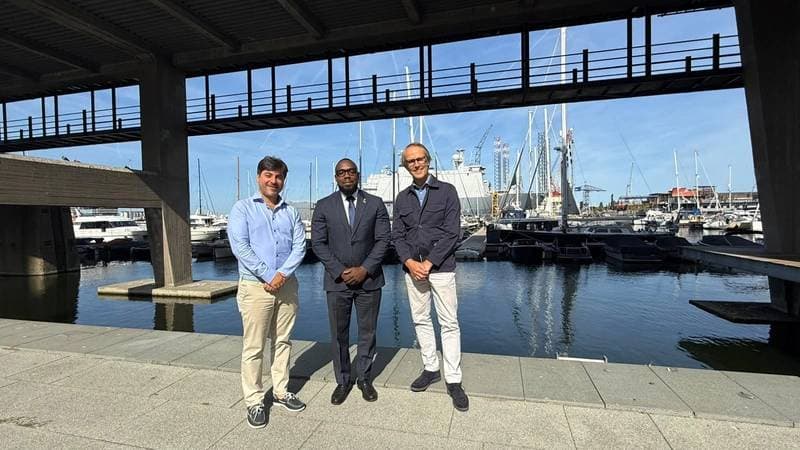
AURELIA presented a zero-emission vessel concept to Bahamian officials, targeting improved inter-island transport sustainability
Seacap and Shorly have partnered to offer comprehensive solutions for ports seeking to decarbonize their operations

MSC and Jotun have partnered to deploy advanced hull cleaning technology on the MSC Daniela, targeting improved efficiency.
Lloyd's Register has approved SeaARCTOS' ARCTOS-1, a compact, self-powered device for continuous vessel emissions monitoring
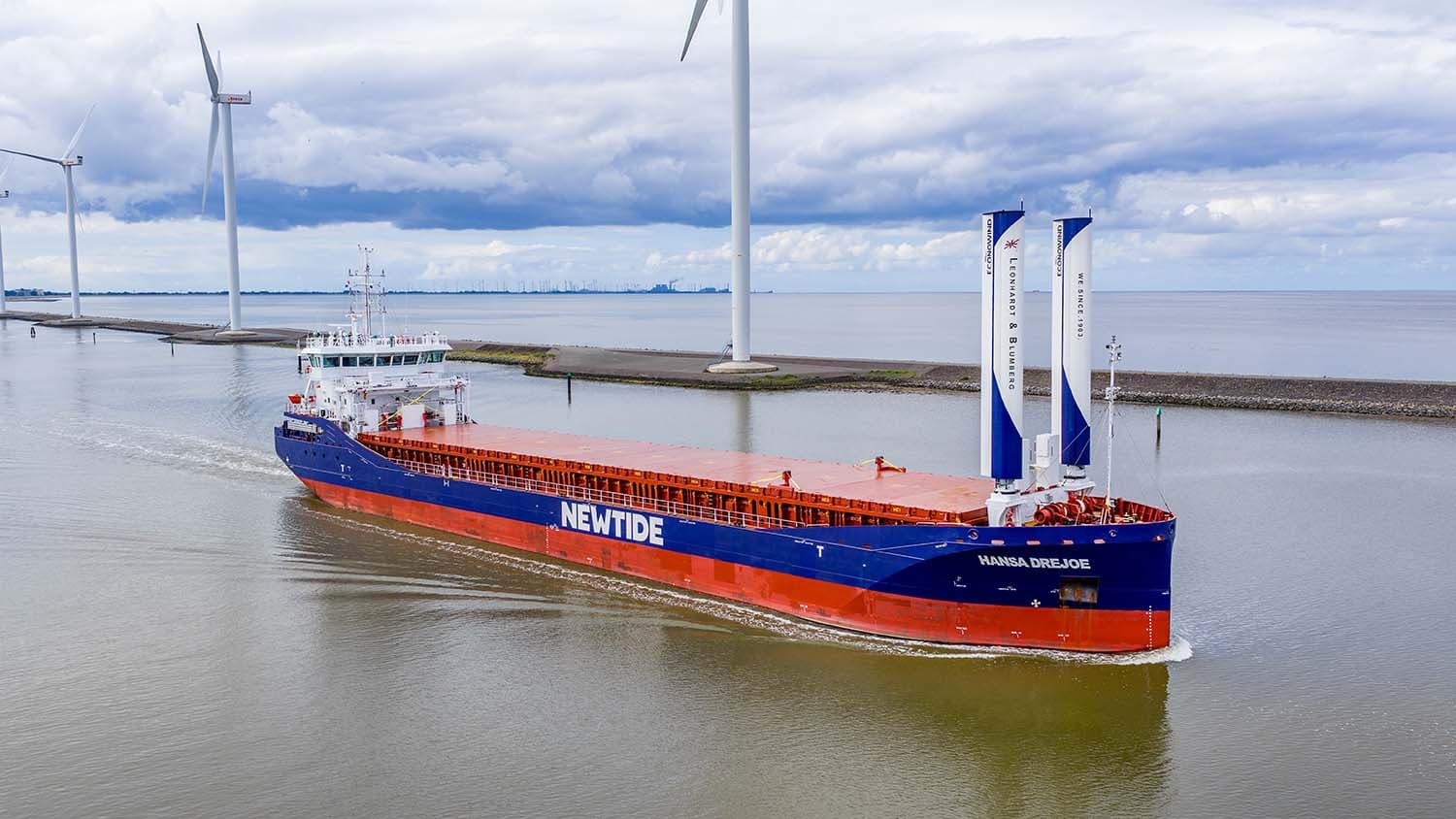
Leonhardt & Blumberg is fitting four new general cargo vessels with Econowind VentoFoils to enhance propulsion and cut emissions.
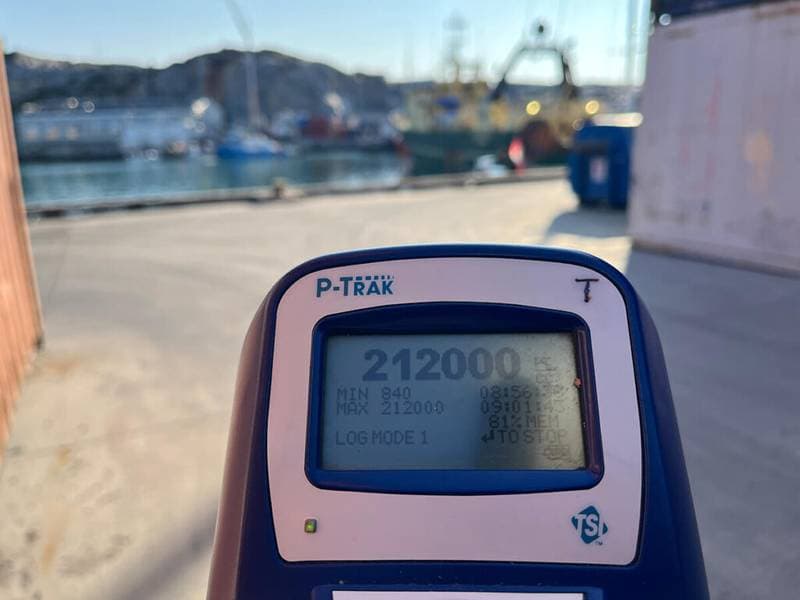
Poor air quality in Ilulissat, Greenland, is driving calls for shore power to reduce port emissions
Browse by mode or open the Intelligence Suite for cross-cutting briefs.