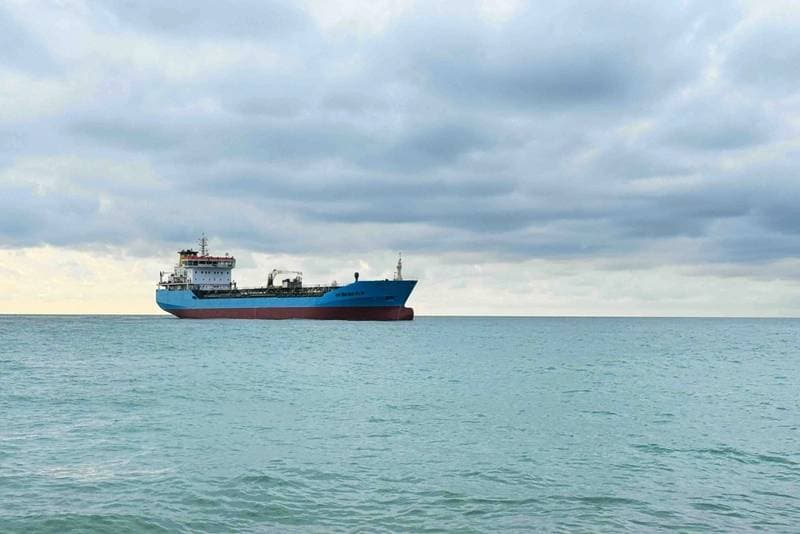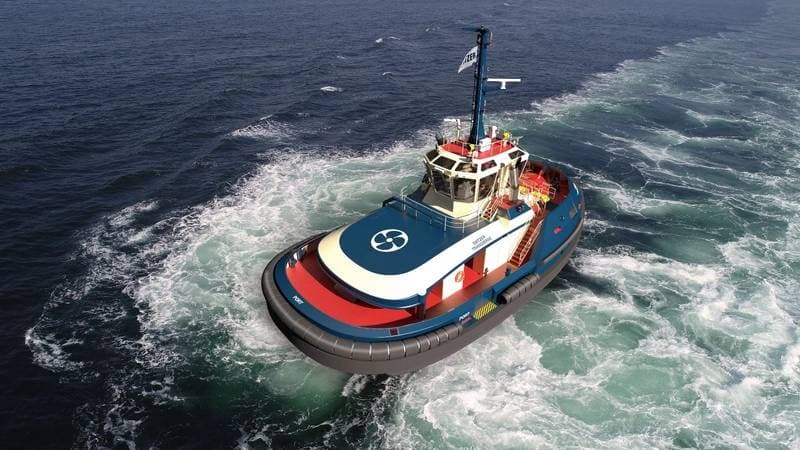
Maritime industry leaders are currently engaged in discussions regarding the regulatory obstacles that impede the adoption of nuclear technologies for ship propulsion. The primary objective is to develop robust and transparent international regulatory frameworks that will govern the safe and secure implementation and operation of advanced nuclear propulsion systems on commercial vessels. This initiative aims to pave the way for a new era of maritime transport, potentially offering significant environmental and operational benefits.
For freight forwarders and operations managers, the successful development and adoption of maritime nuclear technologies could have long-term implications for global shipping. While immediate impacts on rates or capacity are unlikely, the eventual deployment of nuclear-powered vessels could lead to more stable transit times due to reduced reliance on conventional bunkering, potentially lower operational emissions, and new routing possibilities. However, the initial regulatory complexities and high capital costs suggest a gradual rollout, with early adopters likely focused on specific trade lanes or vessel types. Forwarders should monitor these developments for future strategic planning, particularly concerning sustainability goals and long-term supply chain resilience.