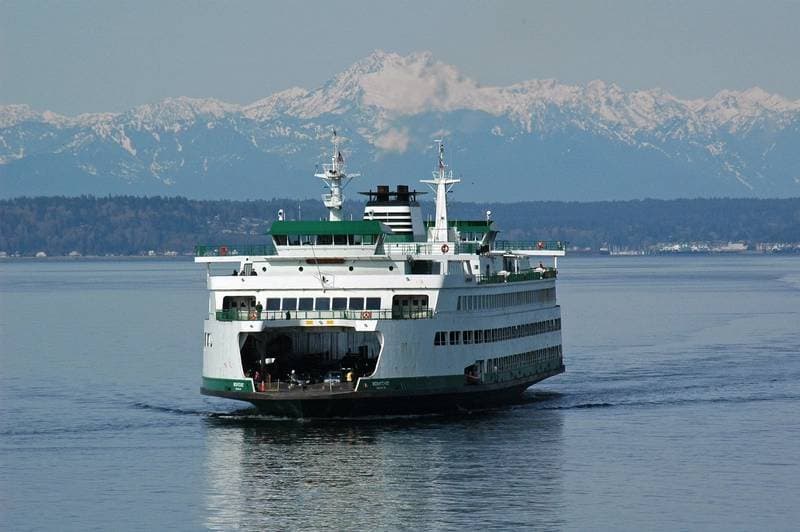
Washington State Ferries (WSF), the largest ferry system in the United States, is currently engaged in a major initiative to modernize its fleet by converting vessels to hybrid-electric propulsion. Deputy Secretary Steve Nevey recently discussed the complexities and issues arising from this ambitious program, specifically detailing problems encountered during the conversion of the M/V Wenatchee.
This modernization aims to enhance environmental sustainability and operational efficiency within the ferry system. The conversion process for a vessel like the Wenatchee involves integrating advanced battery technology and electric motors with existing diesel engines, a technically demanding undertaking.
For freight forwarders and logistics professionals, while this news directly impacts passenger and vehicle transport within Washington State, it signals a broader trend towards decarbonization in the maritime sector. Increased adoption of hybrid-electric or fully electric vessels, even in ferry operations, contributes to the development of green shipping technologies and infrastructure. This could indirectly influence future regulations, port capabilities for alternative fuels, and the overall cost structure of maritime transport as the industry shifts away from traditional fossil fuels.