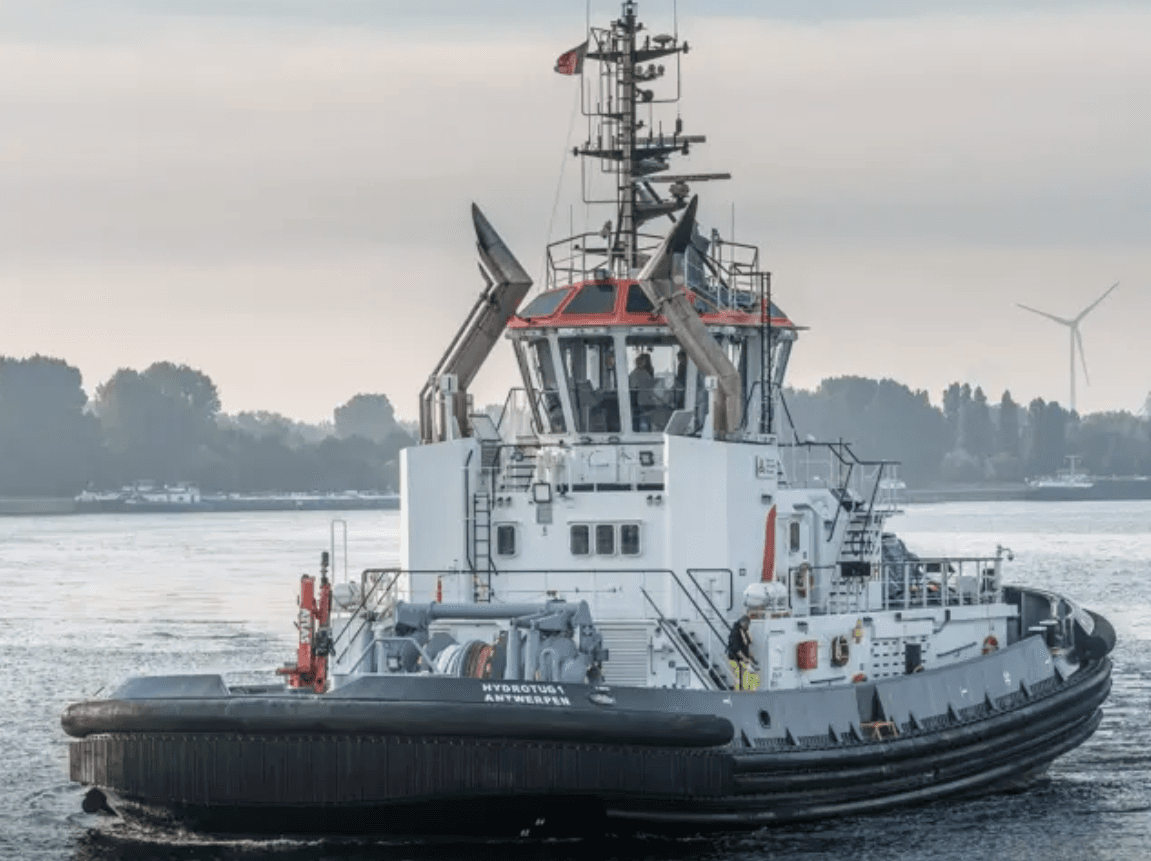
The Port of Antwerp-Bruges is actively developing its infrastructure to accommodate the maritime industry's shift towards decarbonization. This includes expanding the availability of alternative bunkering options, specifically focusing on hydrogen and methanol. Additionally, the port is trialing electric tugboats as part of a broader strategy to reduce operational emissions within its own fleet and support vessels utilizing cleaner fuels.
This strategic move comes as the global shipping sector faces increasingly stringent environmental regulations, particularly the International Maritime Organization's (IMO) ambitious 2050 climate rules. By investing in diverse fuel solutions, the port aims to facilitate the transition for shipping lines and prepare for a future where conventional fossil fuels are phased out.
For freight forwarders and operations managers, this development signifies a growing trend in port services towards sustainability. It means that carriers using or planning to adopt alternative fuels will have more viable options for bunkering and port calls in major European hubs. This could influence vessel routing decisions, potentially favoring ports with advanced green infrastructure. While immediate rate impacts might be minimal, the long-term effect could be a gradual shift towards premium pricing for greener shipping services, as operational costs for alternative fuels and associated port services evolve. Forwarders should monitor these developments to advise shippers on potential green shipping corridors and compliance with future emissions standards.
The port's continued investment in these technologies suggests a commitment to remaining a leading hub for sustainable maritime logistics, with further expansions and pilot projects expected as the industry progresses towards its decarbonization goals.