38d ago·MarineLink
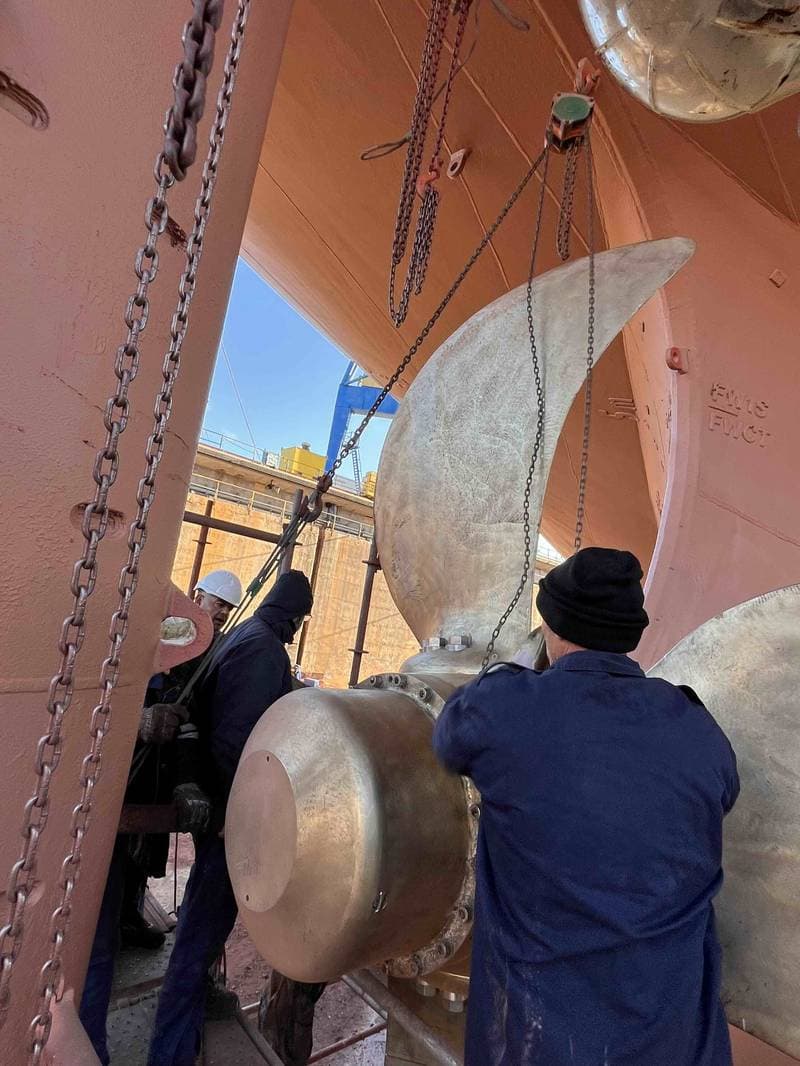
Berg Propulsion Highlights Retrofit Solutions for Shipping Decarbonization
Retrofitting existing vessels with current technology provides a practical path to shipping decarbonization, rather than relying on…
Articles tagged with the IMO Decarbonization topic across every transport mode.
Retrofitting existing vessels with current technology provides a practical path to shipping decarbonization, rather than relying on…
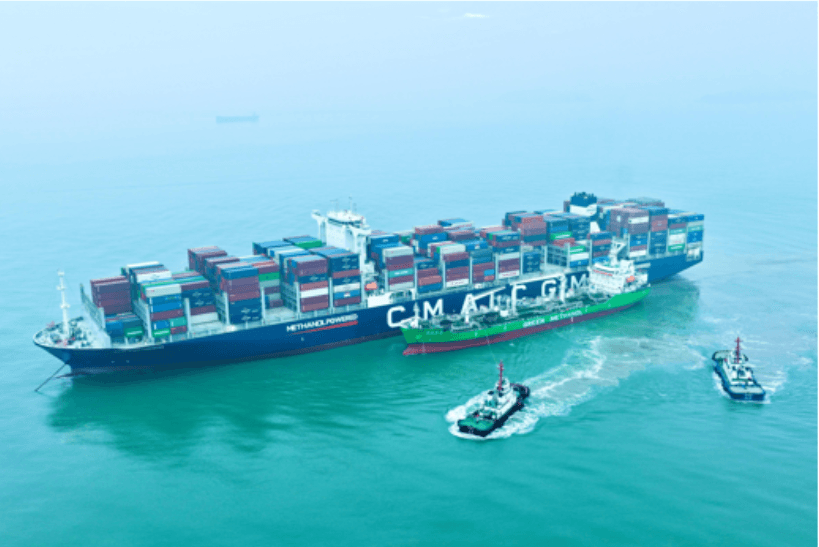
CMA CGM achieved a new biomethanol bunkering record in Shanghai, supplying 8,016 tonnes to a container vessel.
The IAEA has launched its ATLAS initiative in Washington, D.C., focusing on nuclear power applications in maritime shipping
Dual-fuel ships with wind-assist technology are increasingly seen as a strategic investment for fuel efficiency and emissions reduction
Global demand for low-emission marine fuels could surge over five times by 2050 with new IMO emission regulations
RINA's new 'Mermaid' ship design aims to cut fuel use and emissions by optimizing main engine power.
GCMD released a report outlining a practical approach for shipowners to verify marine biofuel quantity and renewable content
High demand from the coal sector is distorting Australia's carbon credit market, ahead of a key government review
RINA unveiled 'Mermaid,' a ship design concept to help owners reduce fuel use and emissions while maintaining flexibility.
Climeon's new white paper shares insights into marine ORC waste heat recovery, detailing energy recovery factors and operational value
Maersk has taken delivery of the Tacoma Maersk, the fourth of six new 9,000-TEU methanol-capable containerships.
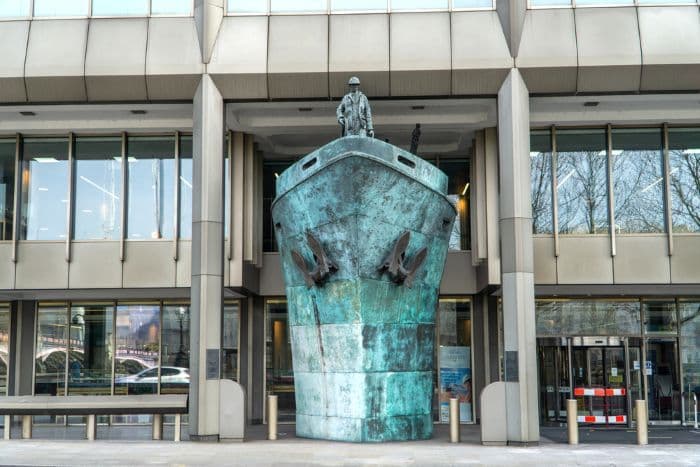
IMO member states will evaluate the baseline net-zero emissions framework and four alternative proposals at an upcoming meeting
Exmar has named two new dual-fuel ammonia vessels, Adinkerke and Aalter, expanding its fleet of eco-friendly ships
DNV's latest outlook prioritizes vessel efficiency for decarbonization, shifting from LNG as a bridging fuel.
New research suggests 10% of global shipping emissions occur within port areas, offering hope for mitigation through electrification.
DNV indicates dual-fuel vessels might not solely use alternative fuels, opting for conventional if more profitable.
DNV's report reveals growing alternative fuel adoption but warns of significant uncertainty in shipping's decarbonization due to…
Container shipping emissions intensity rose 1.5% in Q2 2026, with a 31% gap found between carriers on the same trade lane
ContiOcean Environment Tech Group has acquired two product and chemical tankers to advance its green shipping strategy
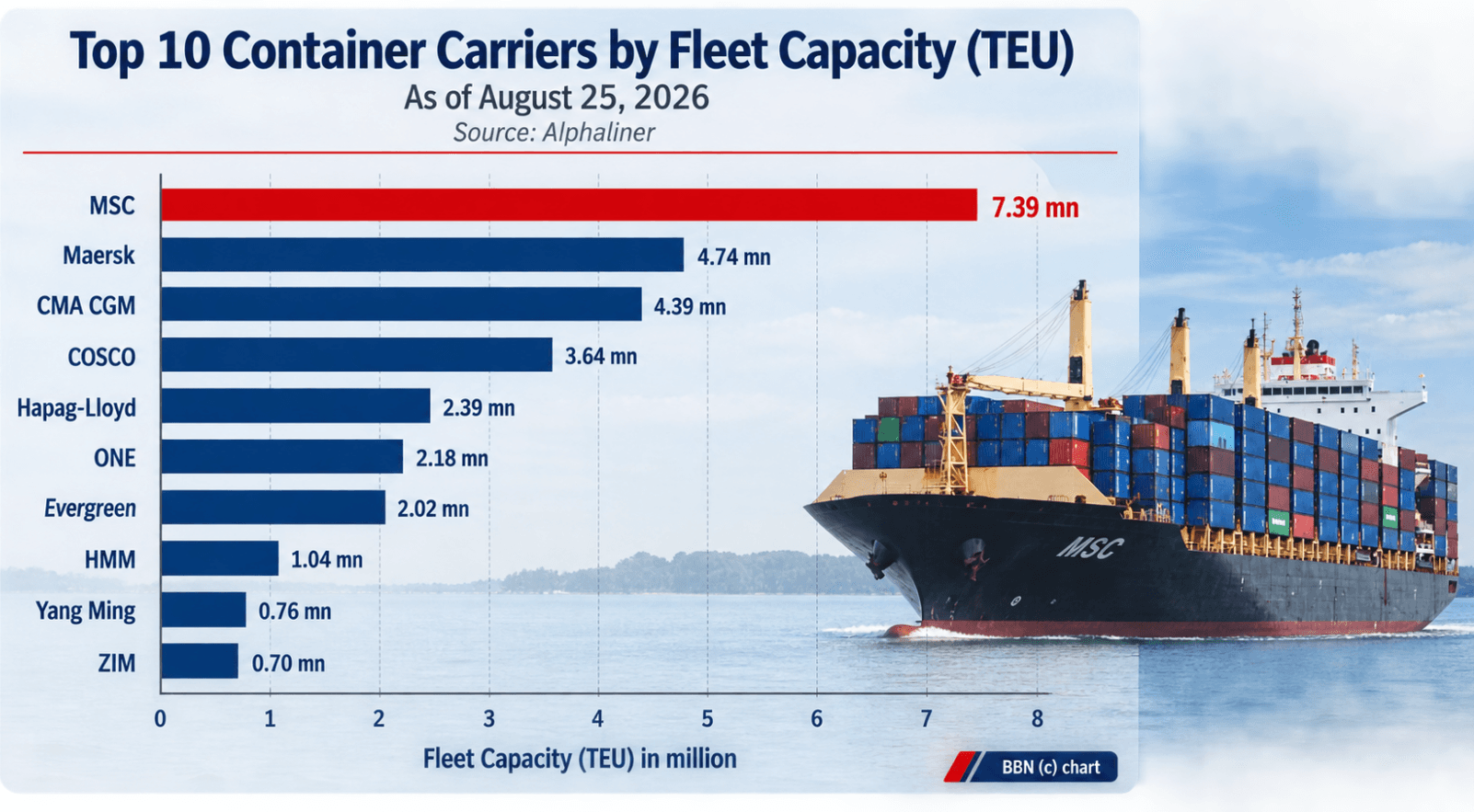
VesselBot data shows a 31% emissions gap among carriers on transatlantic routes, impacting efficiency and Scope 3 calculations.
Australia has released its Maritime Emissions Reduction National Action Plan (MERNAP) to guide the industry toward net-zero emissions
RMI's analysis with UCL indicates the existing Net Zero Framework is the most robust option for maritime decarbonization.
Tsuneishi Group (Zhoushan) Shipbuilding delivered its fourth methanol dual-fuel container vessel, a 5,900 TEU capacity ship
Maersk's 17,480 TEU methanol dual-fuel container vessel, Bangkok Maersk, completed its inaugural Suez Canal transit.
Greek shipowners' president criticizes IMO's Net-Zero Framework, stating it is not a viable solution for decarbonization
A US maritime commissioner stated that the IMO's 2050 decarbonization strategy must include all alternative marine fuels.
Mexico's national assessment highlights its potential to produce and supply low- and zero-emission marine fuels
France's CORIMER initiative has awarded €21.4 million to six projects developing low-carbon shipping solutions
Finland's Port of HaminaKotka is installing a new shore power system with ABB to meet upcoming EU emissions mandates.

Hoppe Marine and AVL Analytical Technologies are partnering to launch advanced maritime emissions monitoring systems.
Browse by mode or open the Intelligence Suite for cross-cutting briefs.