
83d ago·Maritime ExecutiveHIGH
Iran Threatens to Disrupt All Oil and Gas Exports from Gulf Region
Iran threatens to close all oil and gas export routes from the Persian Gulf, potentially disrupting global energy markets
Latest coverage tied to this risk region from our curated freight publishers, across the topics that define it.
Iran threatens to close all oil and gas export routes from the Persian Gulf, potentially disrupting global energy markets
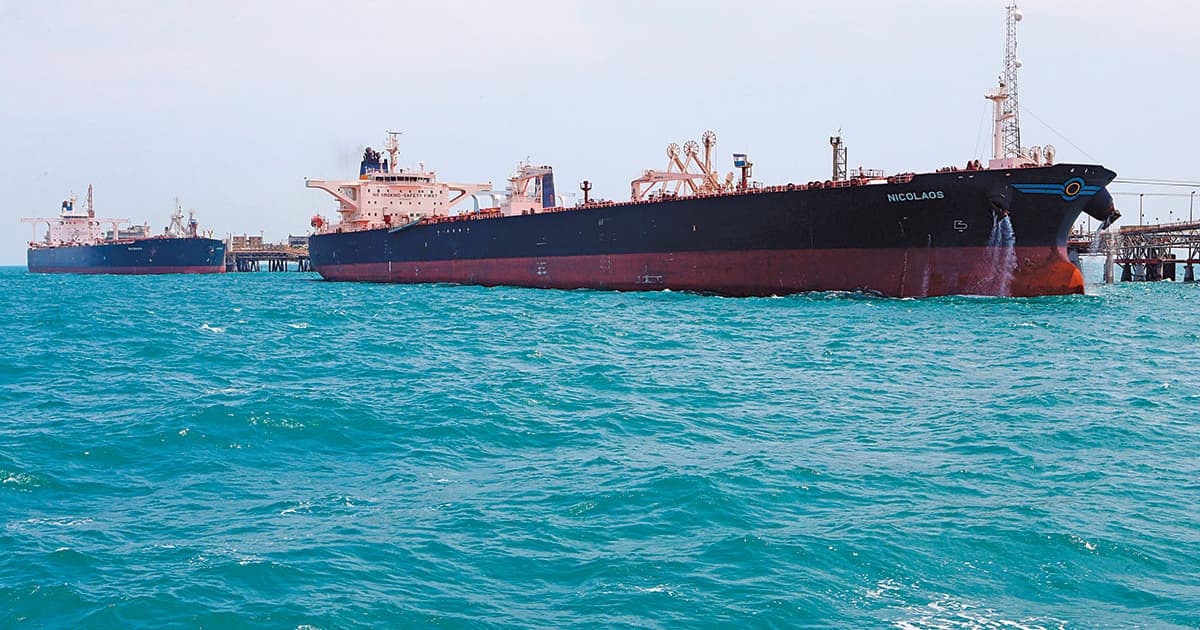
The US is advancing talks for an Iraq-Syria oil pipeline to bypass the Strait of Hormuz, reducing Iran's energy leverage
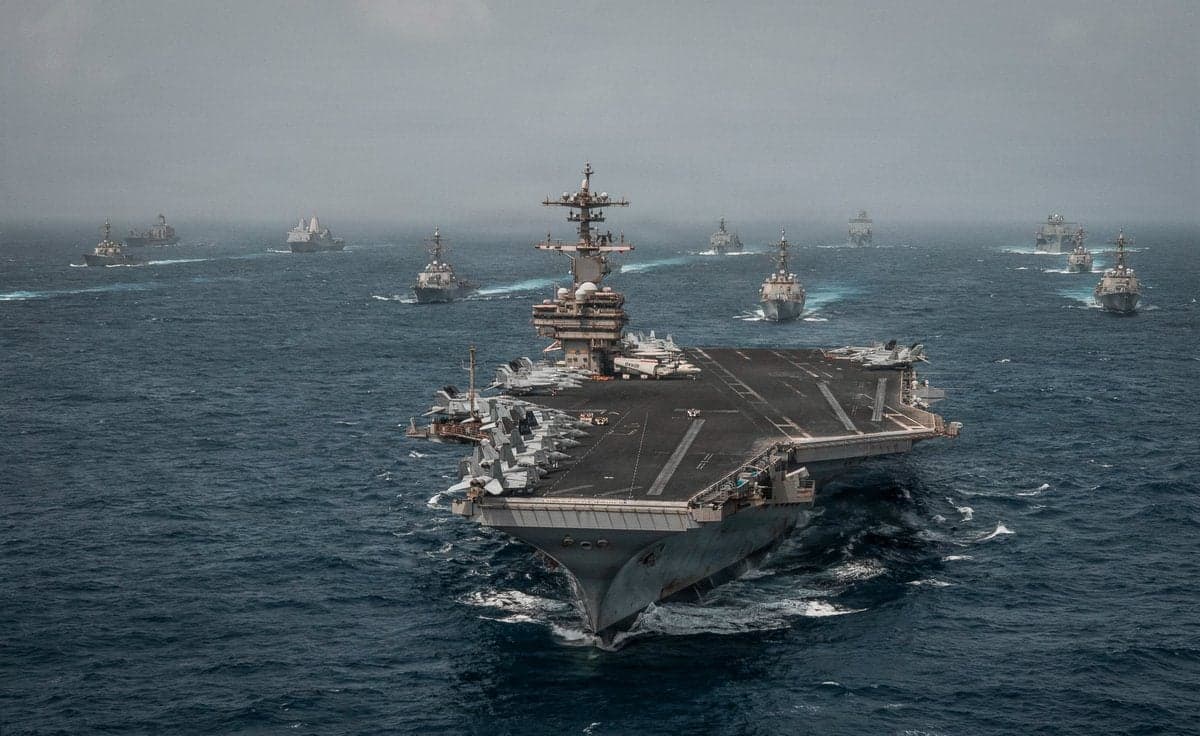
The US has imposed new sanctions on Iran's shipping and oil trading network, intensifying economic pressure.
Middle East petrochemical exports face H2 shipping bottlenecks, with trade flows unlikely to return to pre-conflict levels soon.
The Strait of Hormuz closure in early 2026 triggered a strong recovery in shipping asset values and new vessel orders.
LNG bunker fuel prices have climbed globally, driven by US-Iran tensions and supply concerns in the Strait of Hormuz.
A Memorandum of Understanding between Washington and Tehran sets a 60-day framework for a final settlement.
A proposed 20% fee on Strait of Hormuz cargo highlights risks to global oil supply and potential shipping disruptions.
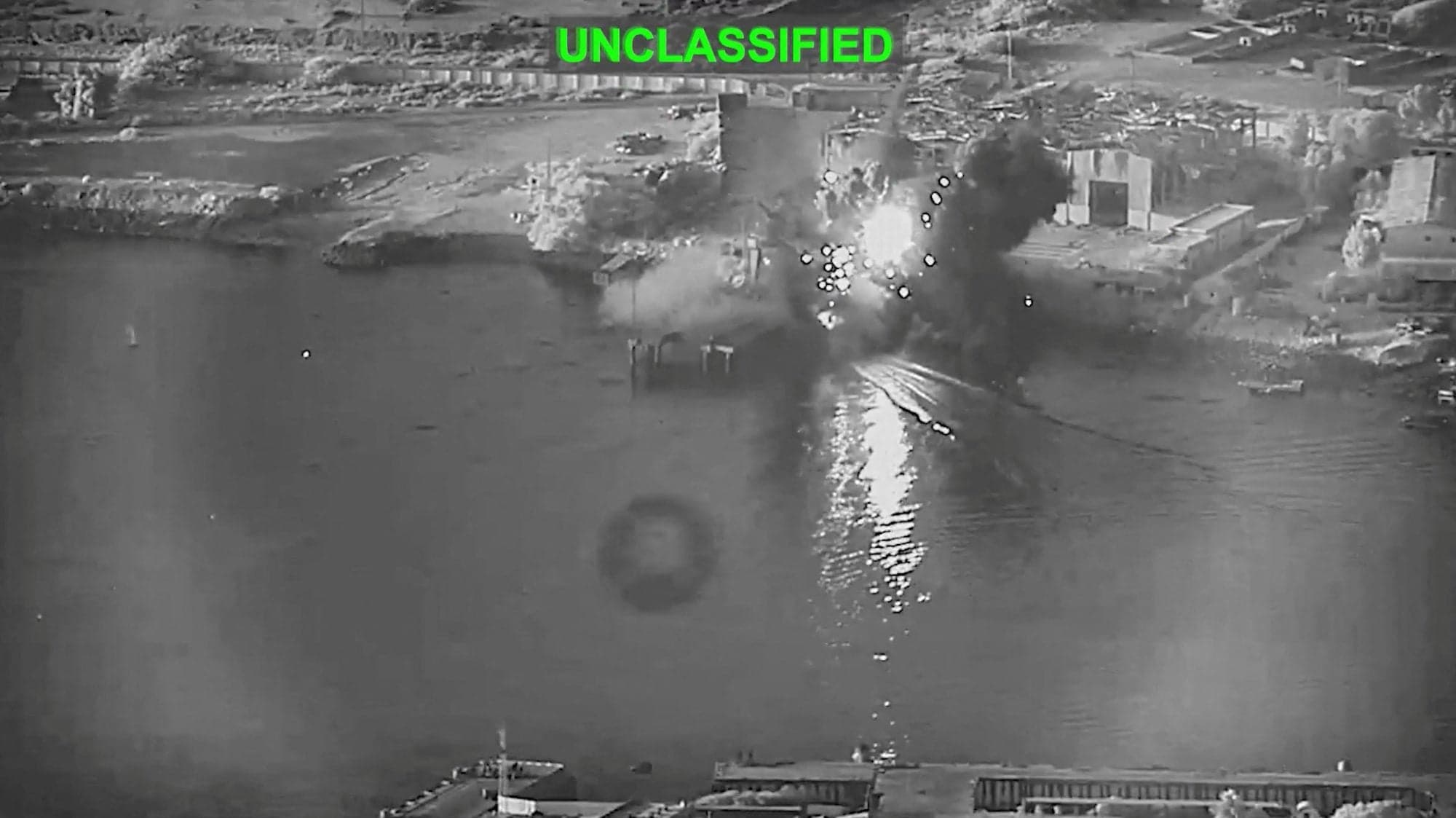
The U.S. military deployed autonomous maritime systems in combat for the first time near the Strait of Hormuz.
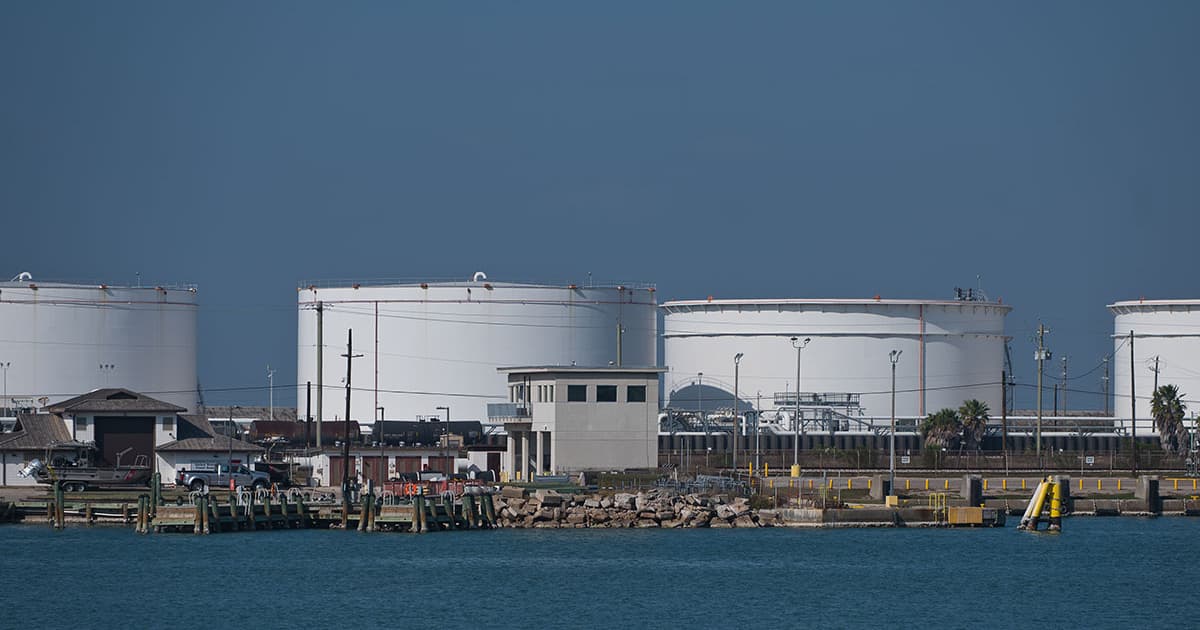
A leading US oil port expects sustained high levels of crude exports, driven by ongoing geopolitical factors.
The US has reinstated its blockade on Iran after a tariff reversal, as a second death from VLCC attacks is confirmed
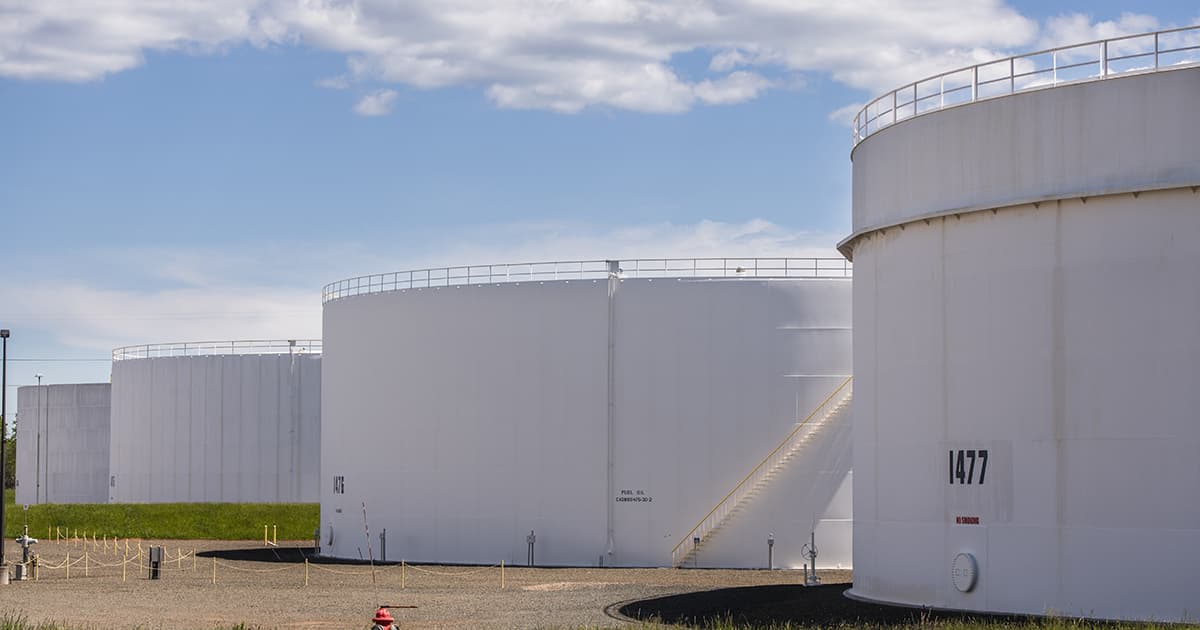
Global fuel supplies are tightening due to escalating tensions in the Strait of Hormuz, threatening higher prices for consumers.
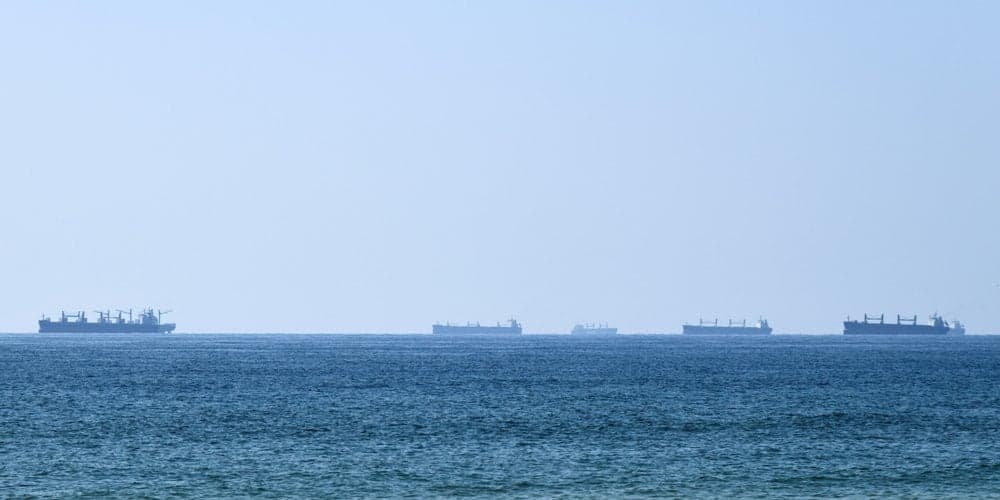
A tanker was reportedly targeted near an Omani LNG terminal, signaling heightened regional tensions and risks to maritime operations
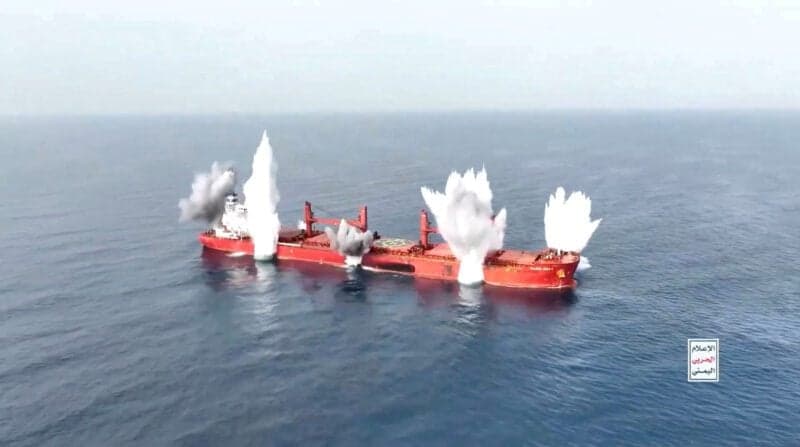
Iran is signaling a potential expansion of its maritime pressure, possibly using Houthi forces to disrupt Red Sea shipping.
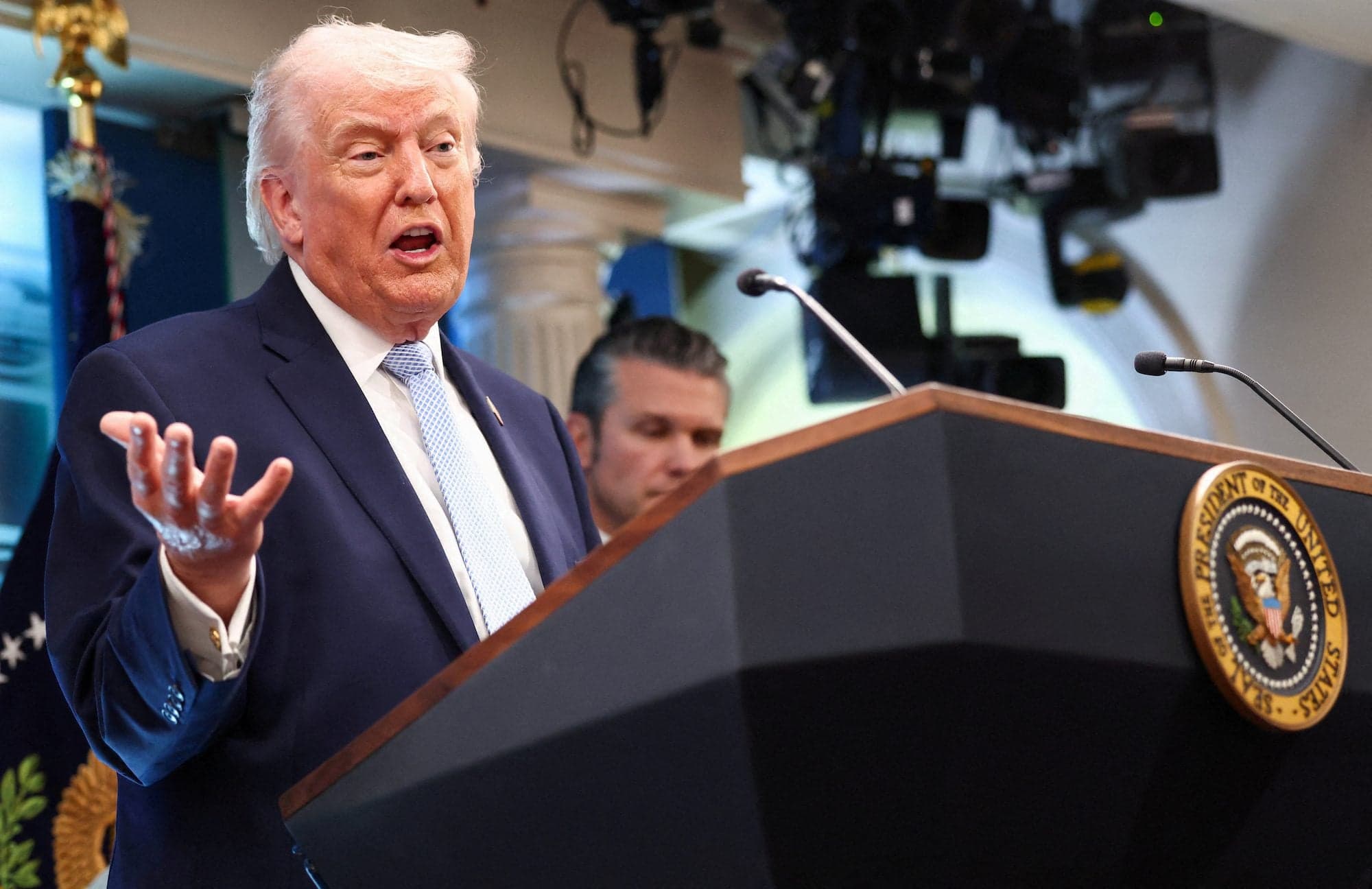
The Trump administration has abandoned its proposed 20% fee on cargo transiting the Strait of Hormuz.
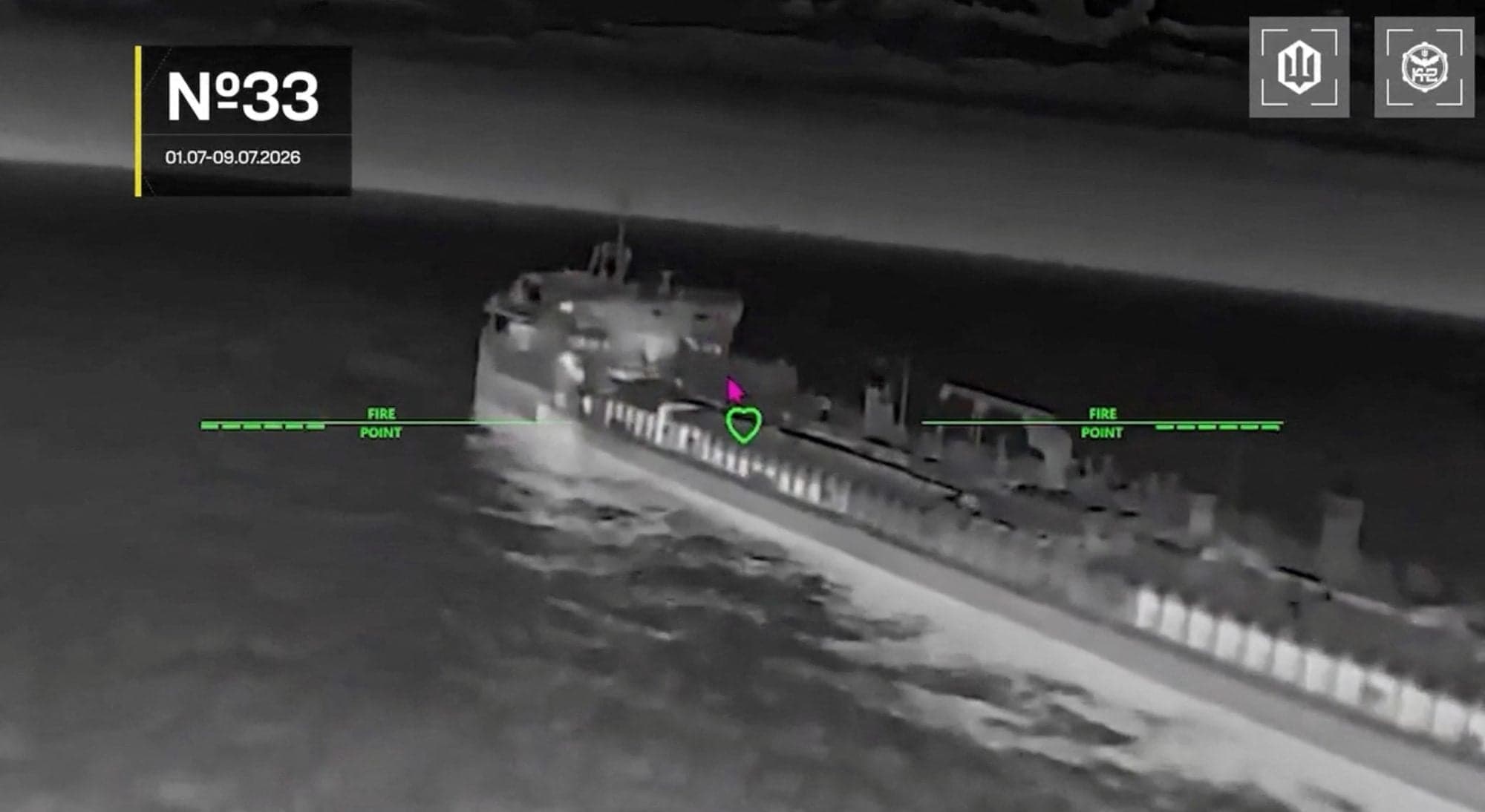
Ukraine claims to have damaged 116 Russian-linked vessels in the Sea of Azov over a nine-day period.
Hapag-Lloyd's CEO opposes a proposed 20% security fee on cargo transiting the Strait of Hormuz, calling it fundamentally wrong.
Container spot freight rates are declining sooner than expected, influenced by increased vessel availability from the Strait of Hormuz.
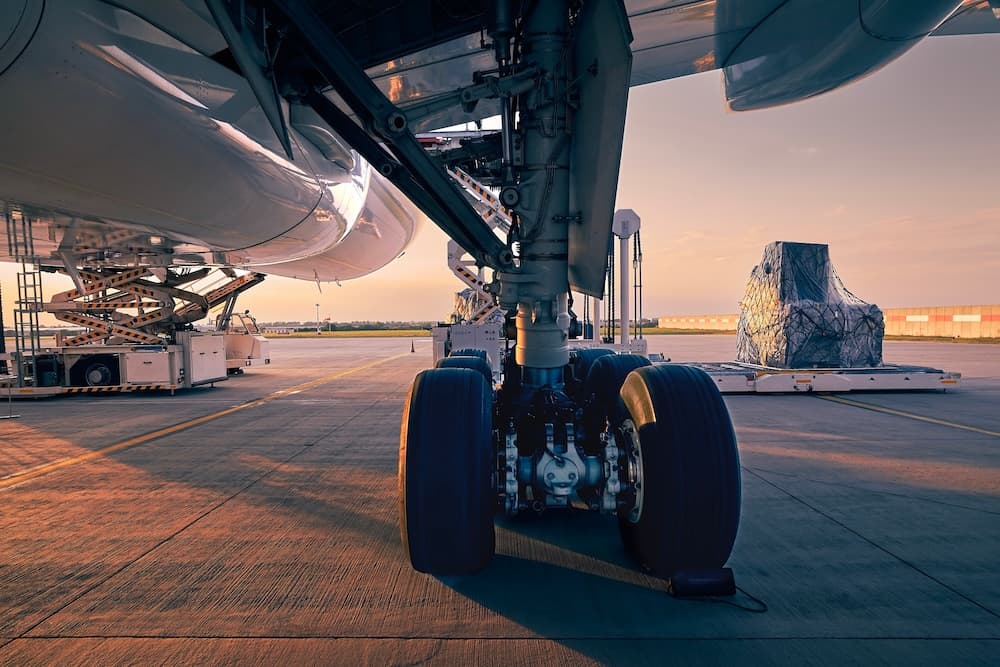
Air cargo rates remain elevated due to geopolitical pressures and rising fuel costs, though capacity flexibility limits volatility
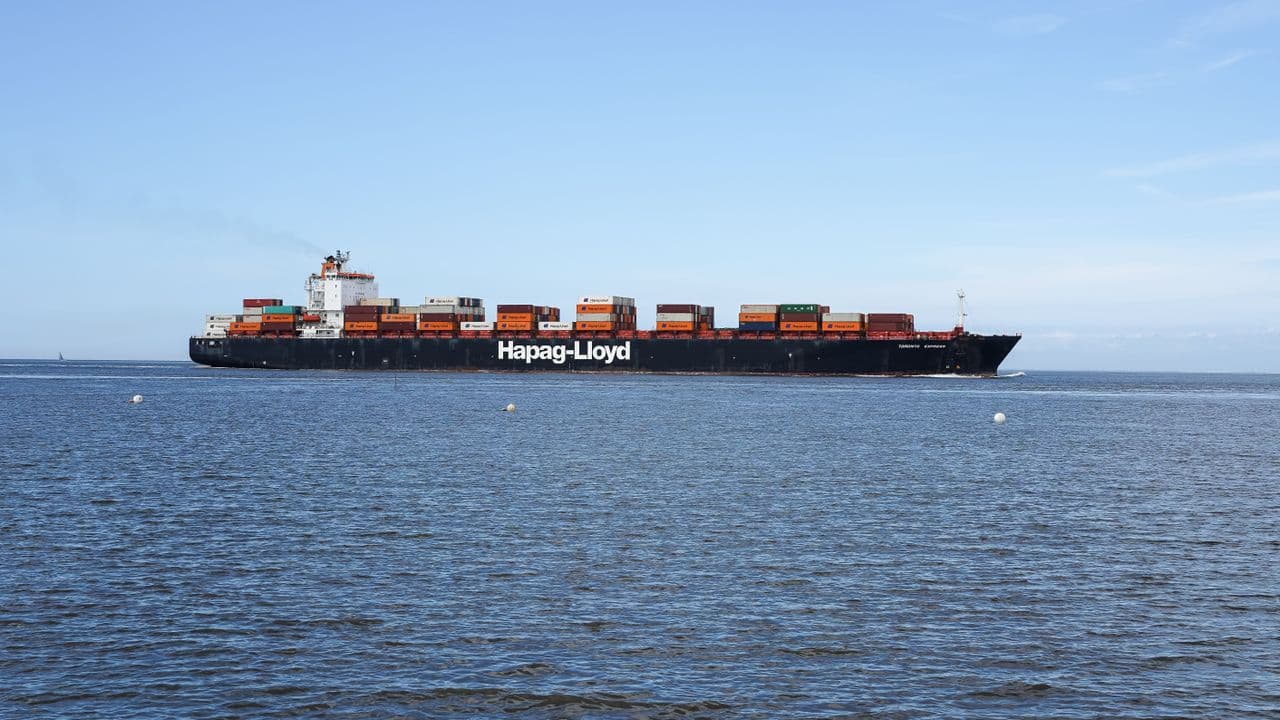
Hapag-Lloyd rejects a US Hormuz transit fee as Middle East disruptions incur up to $60 million in weekly costs for carriers

Restoring oil tanker traffic in the Strait of Hormuz to pre-conflict levels may require a larger U.S. military commitment
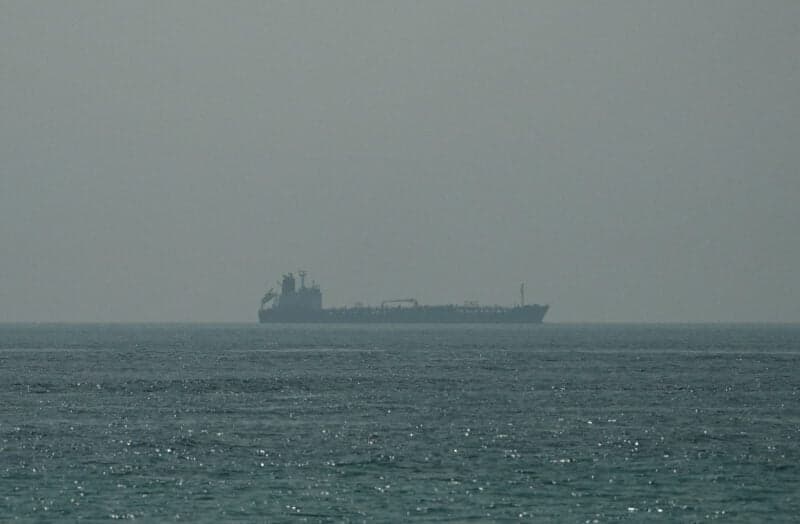
Three more tankers were struck by missile attacks near the Strait of Hormuz, escalating maritime conflict.
A Russian drone attack on a merchant ship in Ukraine's Odesa region killed five seafarers and injured twelve.
A tanker was reportedly hit by a missile near Oman, with no casualties confirmed by maritime authorities.
An Indian seafarer died and eight crew members were injured in missile attacks on tankers near Oman, according to the UAE.
Floating storage of Iranian crude and condensate in East Asia declined in June as US sanctions relief cleared cargoes

Trans-Pacific ocean freight rates have recently stabilized, potentially offering relief to shippers after significant increases.
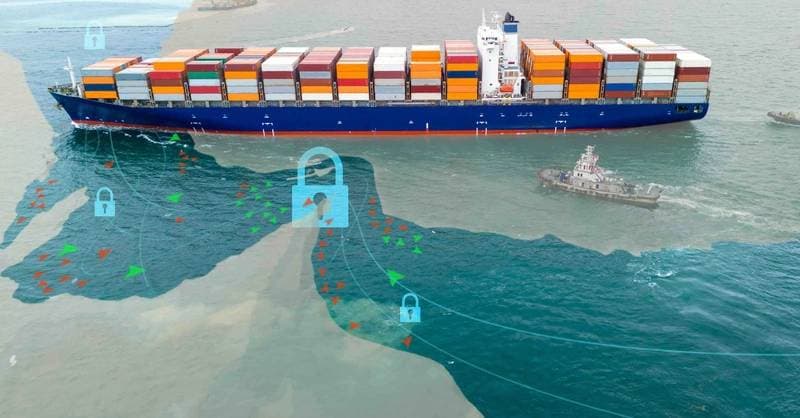
The US has reinstated a naval blockade on Iranian shipping in the Gulf, ensuring open transit through the Strait of Hormuz.
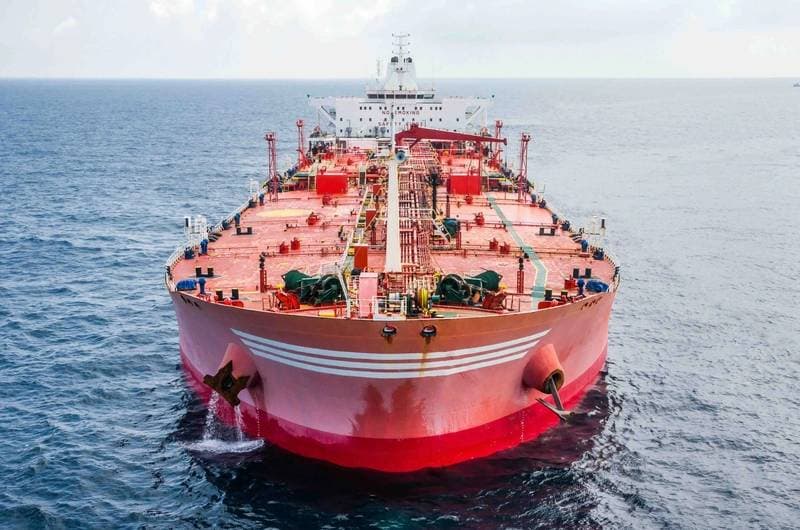
A tanker fired warning shots after being approached by six small boats south of Yemen's Aden, indicating persistent maritime security risks

The US plans to reinstate an Iranian shipping blockade and impose a 20% transit fee on cargo through the Strait of Hormuz
Browse by mode or open the Intelligence Suite for cross-cutting briefs.