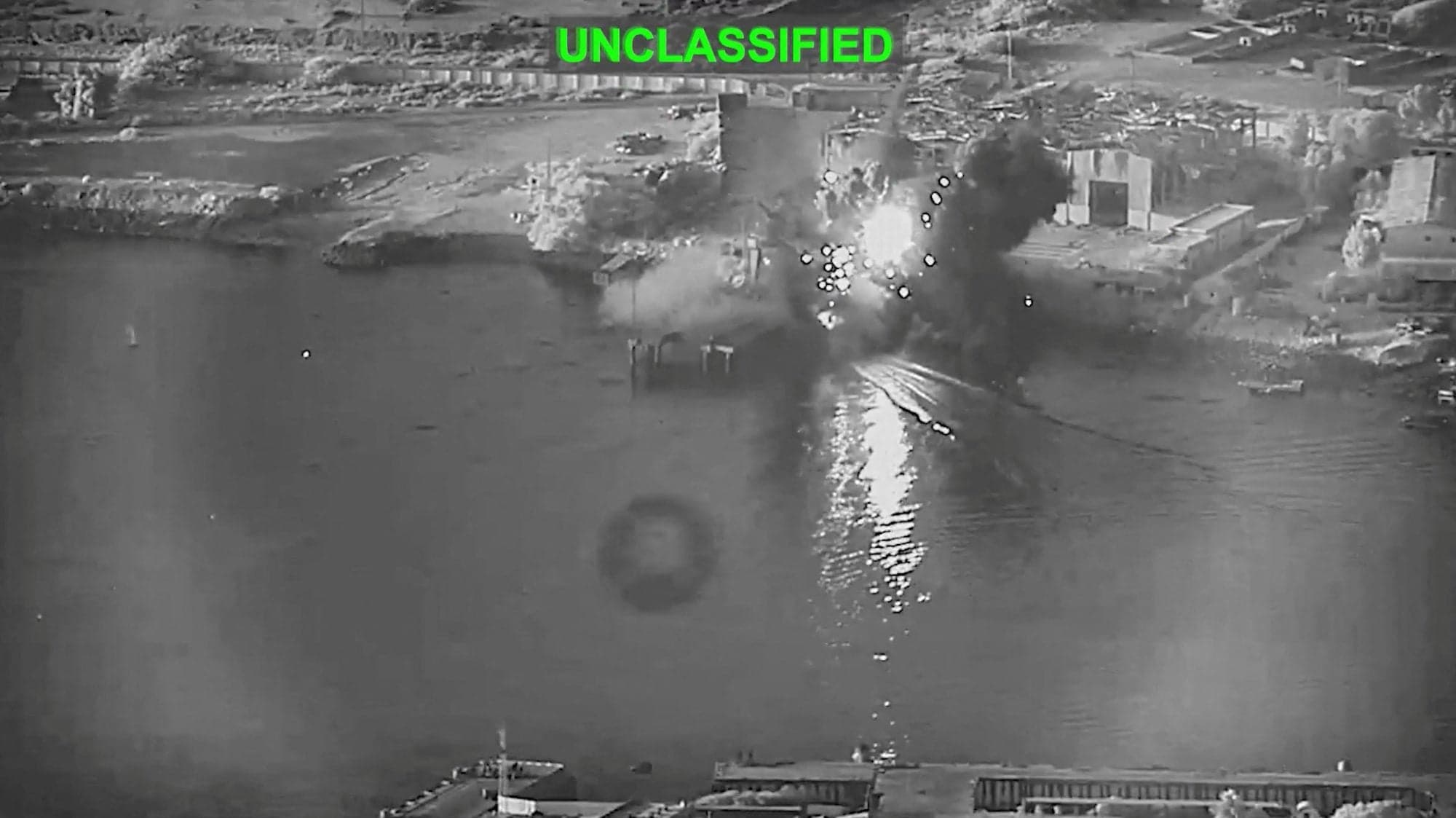
The U.S. military has confirmed the combat debut of autonomous maritime systems, with unmanned surface vessels participating in strikes against Iranian naval infrastructure. This marks the first instance of the U.S. employing such technology in active combat scenarios.
This development occurred in the vicinity of the Strait of Hormuz, a critical chokepoint for global oil and gas shipments. The use of sea drones in this sensitive region underscores the evolving nature of naval operations and the increasing integration of autonomous technologies into military strategies.
For freight forwarders and shippers, this deployment introduces a new layer of geopolitical risk in an already volatile region. Increased military activity, especially involving advanced autonomous systems, could lead to heightened tensions and potential disruptions to shipping lanes. While direct commercial shipping impacts are not immediately reported, any escalation in the Strait of Hormuz could result in increased war risk premiums, re-routing, or delays for vessels transiting the area. Ops managers should closely monitor advisories and assess potential impacts on transit times and costs.
Further details on the specific targets or the long-term operational plans for these autonomous vessels were not immediately available, but their initial combat use signals a shift in naval tactics in the Middle East.