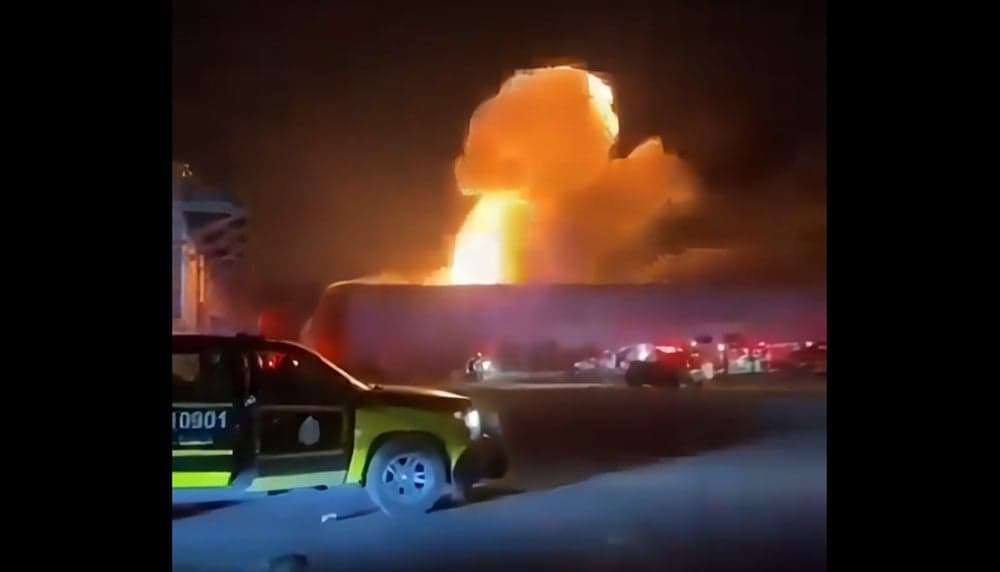
Iran has reportedly threatened to close all oil and gas export routes originating from the Persian Gulf region. This declaration, if acted upon, would have profound implications for global energy supplies and maritime logistics.
The Persian Gulf is a vital artery for international energy trade, with a significant portion of the world's crude oil and liquefied natural gas (LNG) transiting through its waters, particularly via the Strait of Hormuz. Any disruption to these routes could lead to severe supply shortages and price volatility in global energy markets.
For freight forwarders and shippers, such a closure would immediately halt oil and gas tanker movements from the region, leading to widespread delays and potential re-routing of other cargo if the threat escalates into a broader conflict or security concern. War risk premiums for vessels operating in the region would likely surge, and available capacity for all types of cargo could be severely constrained. Forwarders would need to activate contingency plans, explore alternative energy sources for clients, and manage significant communication with stakeholders regarding supply chain integrity and potential force majeure clauses.
While the source does not specify immediate next steps, such threats typically lead to heightened geopolitical tensions and increased military presence in the region, which could further complicate maritime operations.