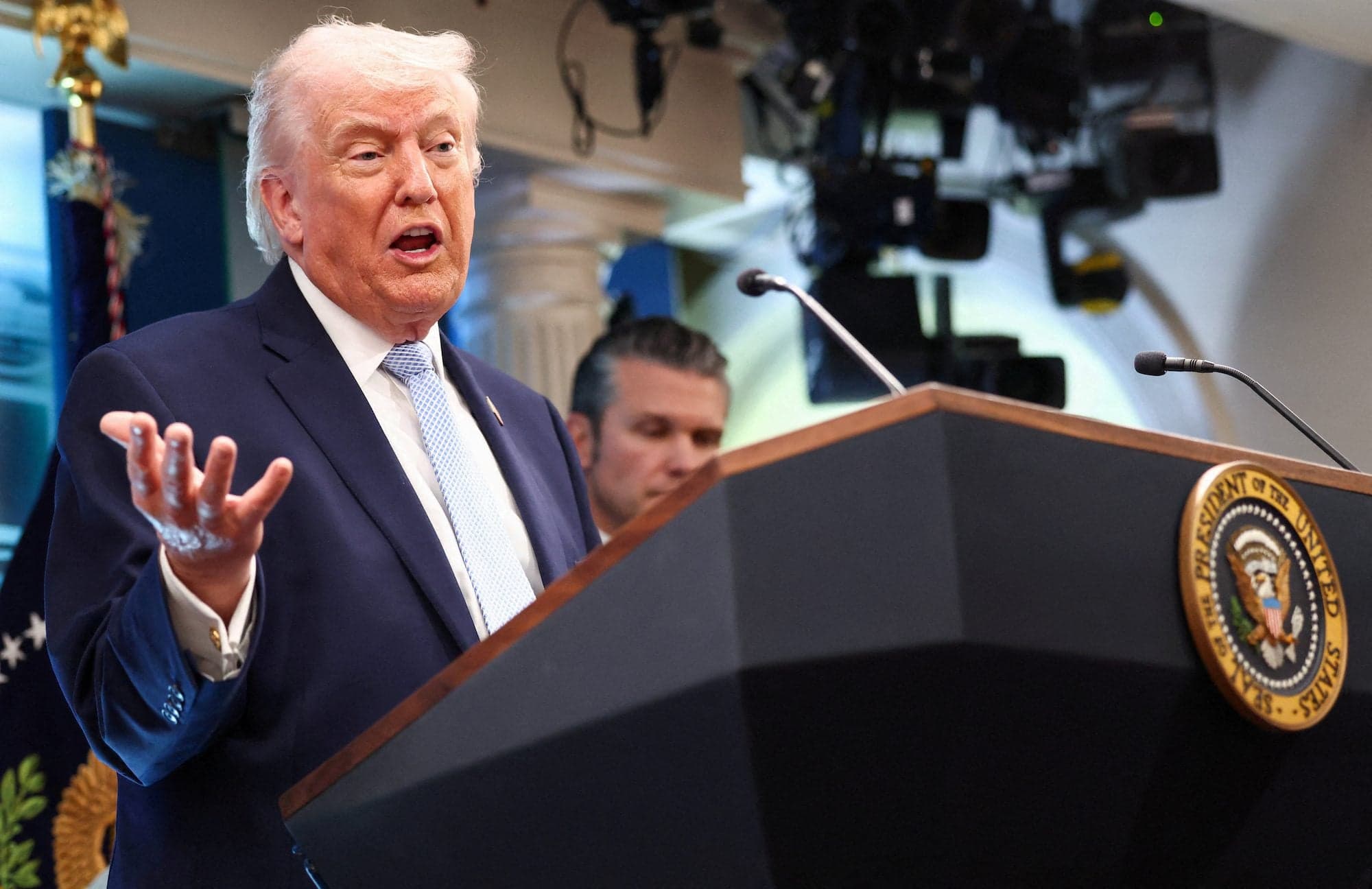
The Trump administration has officially rescinded its earlier proposal to levy a 20% fee on all cargo transiting the Strait of Hormuz. This decision marks a pivot in U.S. policy regarding the vital waterway, moving away from direct taxation on maritime traffic.
Instead of the proposed fee, the administration plans to pursue new trade and investment deals with countries in the Gulf region. This strategic shift aims to foster economic partnerships and increase U.S. commercial presence, potentially offering a more collaborative approach to regional stability and prosperity.
For freight forwarders and shippers, the cancellation of the 20% Hormuz transit fee eliminates a significant potential cost increase for cargo moving through this critical chokepoint. Had the fee been implemented, it would have directly impacted shipping rates for a vast array of goods, particularly oil and gas, but also general cargo, leading to higher operational expenses and potentially affecting global supply chains. The new focus on investment deals, while not directly impacting immediate transit costs, suggests a long-term strategy that could influence trade flows and economic stability in the region, which indirectly benefits shipping by reducing geopolitical risks.