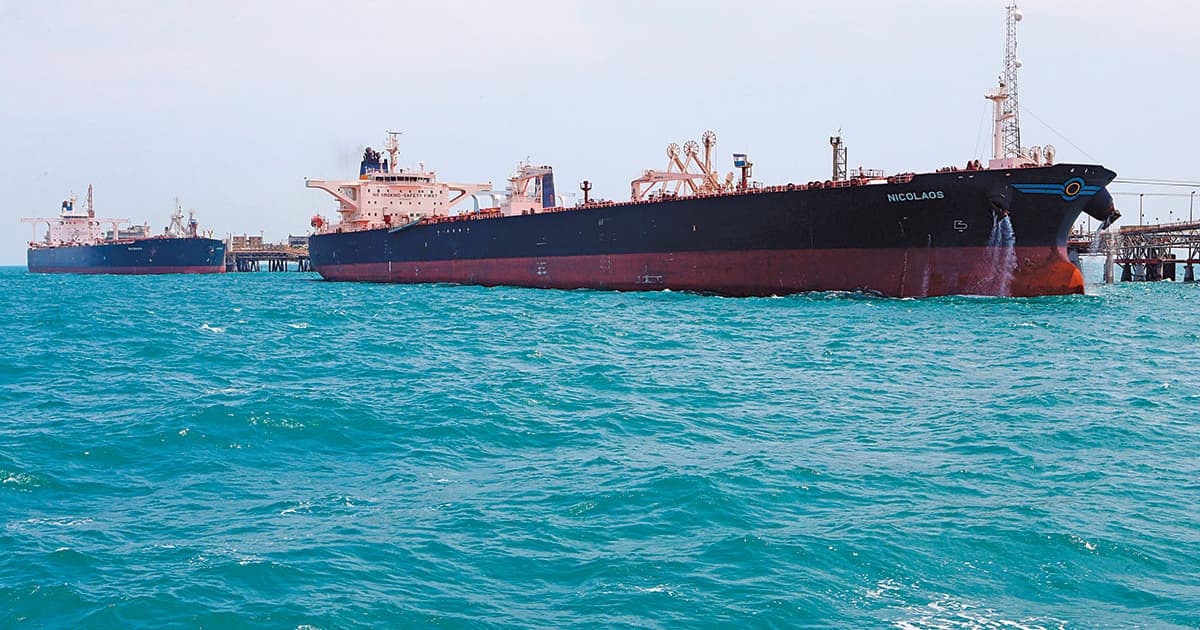
The United States is currently engaged in advanced discussions regarding the development of an oil pipeline that would transport crude from Iraq to Syria. This strategic infrastructure project is designed to offer an alternative export route for Iraqi oil, effectively bypassing the Strait of Hormuz. By creating this new pathway, the initiative aims to diminish Iran's potential leverage over international energy markets, which is currently significant due to its geographical control over the critical maritime chokepoint.
For freight forwarders and supply chain professionals, while this project primarily concerns oil logistics, it signifies a broader geopolitical shift in energy supply routes. A successful pipeline could stabilize oil prices by diversifying export options, potentially reducing volatility caused by tensions in the Persian Gulf. This might indirectly influence bunker fuel costs for maritime shipping in the long term, as global oil supply security improves. However, the direct impact on general cargo and container shipping operations would likely be minimal, as the pipeline focuses on bulk commodity transport rather than manufactured goods.
The development of such a pipeline could also foster greater economic stability in the region, potentially leading to increased trade and infrastructure development that could eventually benefit various logistics sectors. However, the project's success hinges on overcoming significant political and security challenges in the region.