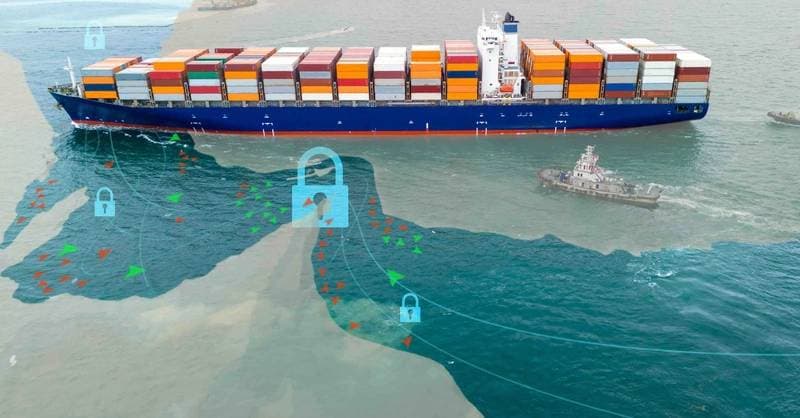
President Donald Trump announced on Monday that the United States is reinstating its blockade of Iranian shipping within the Gulf region. This decision follows a series of renewed missile and drone attacks exchanged between the US and Iran. The stated objective of this action is to guarantee the continued openness and navigability of the Strait of Hormuz, a vital international shipping lane.
This development signifies a significant escalation in geopolitical tensions within the Middle East, directly impacting maritime trade routes. For freight forwarders and shippers, this reinstatement of a blockade in the Strait of Hormuz means heightened operational risks and potential disruptions to vessel schedules. War risk premiums for cargo insurance are likely to increase, and carriers may implement surcharges or rerouting strategies, leading to longer transit times and higher freight costs. Supply chain analysts will need to monitor the situation closely for any further military actions or policy changes that could affect the flow of goods through this critical chokepoint.