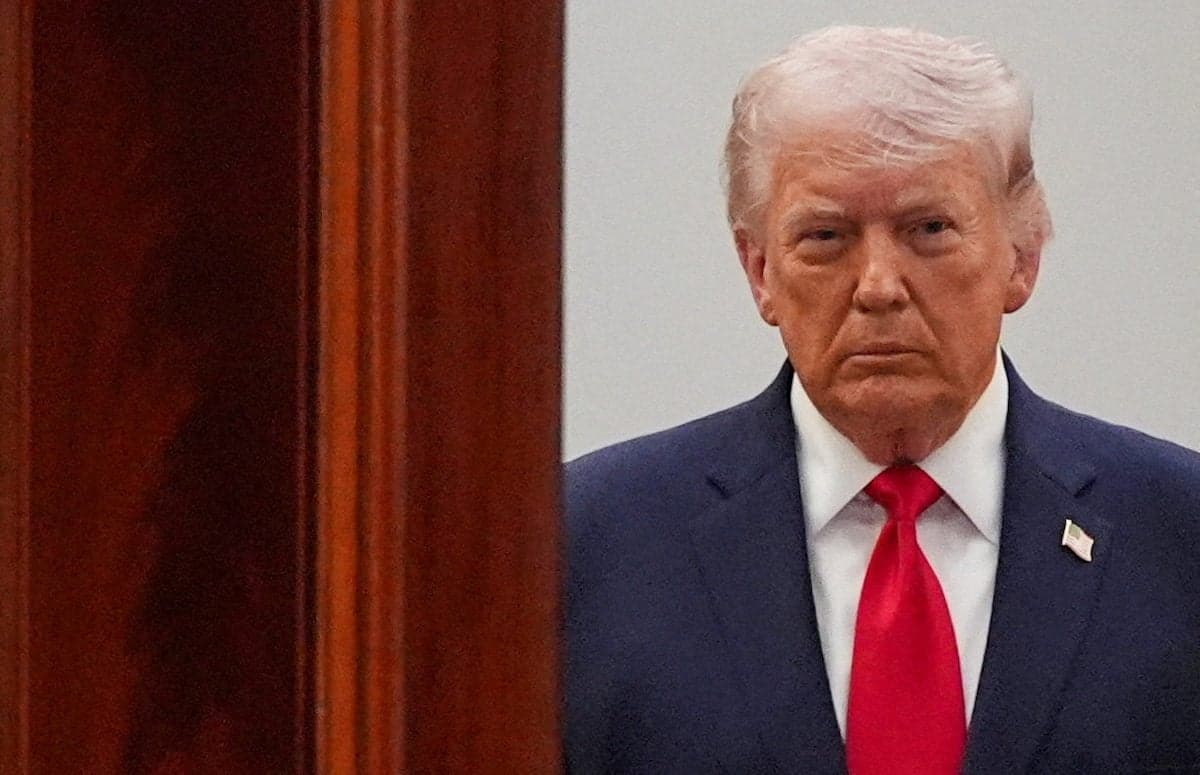
The United States government has announced its intention to reinstate a blockade on Iranian shipping. Concurrently, a new proposal suggests implementing a 20% fee on all cargo transiting the Strait of Hormuz. This initiative is framed as a measure to establish the US as the 'guardian' of this vital maritime passage.
This development follows a period of heightened tensions in the region. The Strait of Hormuz is a critical chokepoint for global oil and gas shipments, and any disruption or new levies there could have significant international repercussions.
For freight forwarders and shippers, the proposed 20% cargo fee would directly increase shipping costs for any goods passing through the Strait of Hormuz. This could lead to higher freight rates, especially for routes connecting the Middle East with Asia, Europe, and other regions. The re-establishment of an Iranian shipping blockade might also introduce new complexities and potential delays for vessels operating in the area, necessitating careful route planning and increased war risk insurance premiums. Forwarders will need to monitor the implementation details closely and assess the impact on their supply chains and pricing strategies.
Further details on the implementation timeline and specific enforcement mechanisms for both the blockade and the cargo fee are anticipated.