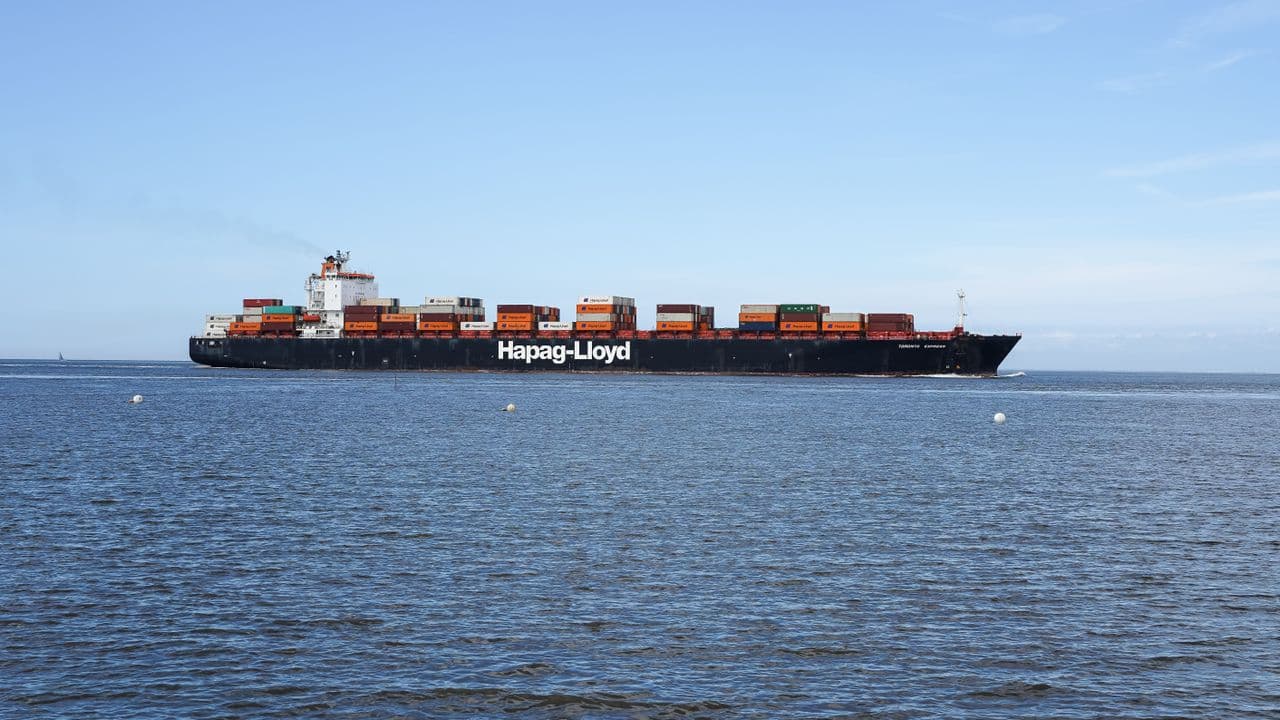
Hapag-Lloyd has publicly stated its opposition to a proposed transit fee by the United States for vessels navigating the Strait of Hormuz. The German shipping line highlighted that ongoing operational disruptions in the Middle East are currently imposing weekly costs of up to $60 million on carriers. This financial burden is prompting shipping companies to implement emergency surcharges to offset the significant operational losses incurred.
For freight forwarders and operations managers, this development signals continued volatility in shipping costs, particularly for routes transiting the Middle East. The rejection of a new fee, while potentially preventing an immediate cost increase, underscores the existing financial strain from regional instability. Forwarders should anticipate sustained or increased surcharges as carriers seek to recover these substantial weekly expenses. This situation necessitates close monitoring of carrier announcements regarding surcharges and potential adjustments to pricing strategies for clients with cargo moving through affected regions.