
118d ago·gCaptainHIGH
Strait of Hormuz Oil Shipments Surge to 10 Million Barrels Daily Amid US Support
Oil flows through the Strait of Hormuz have risen to over 10 million barrels daily, supported by US military presence
Articles tagged with the Israel–Iran Conflict topic across every transport mode.
Oil flows through the Strait of Hormuz have risen to over 10 million barrels daily, supported by US military presence
Oil prices edged down after indirect U.S.-Iran talks in Doha concluded without a major breakthrough but maintained dialogue.
Iran has exported over 40 million barrels of crude oil and is selling it at a 20% premium after the US blockade was lifted
Goldman Sachs forecasts a global oil market surplus as Middle East tensions ease and Strait of Hormuz shipping normalizes
All seven Norden-chartered vessels have now safely exited the Persian Gulf, following earlier reports of the first ship's departure
The Maritime Attention Index (MAI) shows prolonged global attention on shipping risks, particularly in the Strait of Hormuz.
Global disruptions like the pandemic and Red Sea crisis have unexpectedly boosted container shipping profitability by absorbing excess…
Indian seafarers are reluctant to re-enter the Persian Gulf due to regional conflict, impacting global maritime crewing.

Indirect technical talks between the US and Iran in Doha addressed shipping through the Strait of Hormuz and a ceasefire
A container ship reportedly ran aground in the Strait of Hormuz while transiting outside Iran's designated corridor.
Oil prices nudged higher driven by US-Iran talks uncertainty, though record US production limited significant gains
The White House is reportedly exploring alternatives to the current Iran nuclear agreement, potentially impacting maritime security.
June's maritime landscape was defined by Strait of Hormuz tensions and a sharp rise in container freight rates.
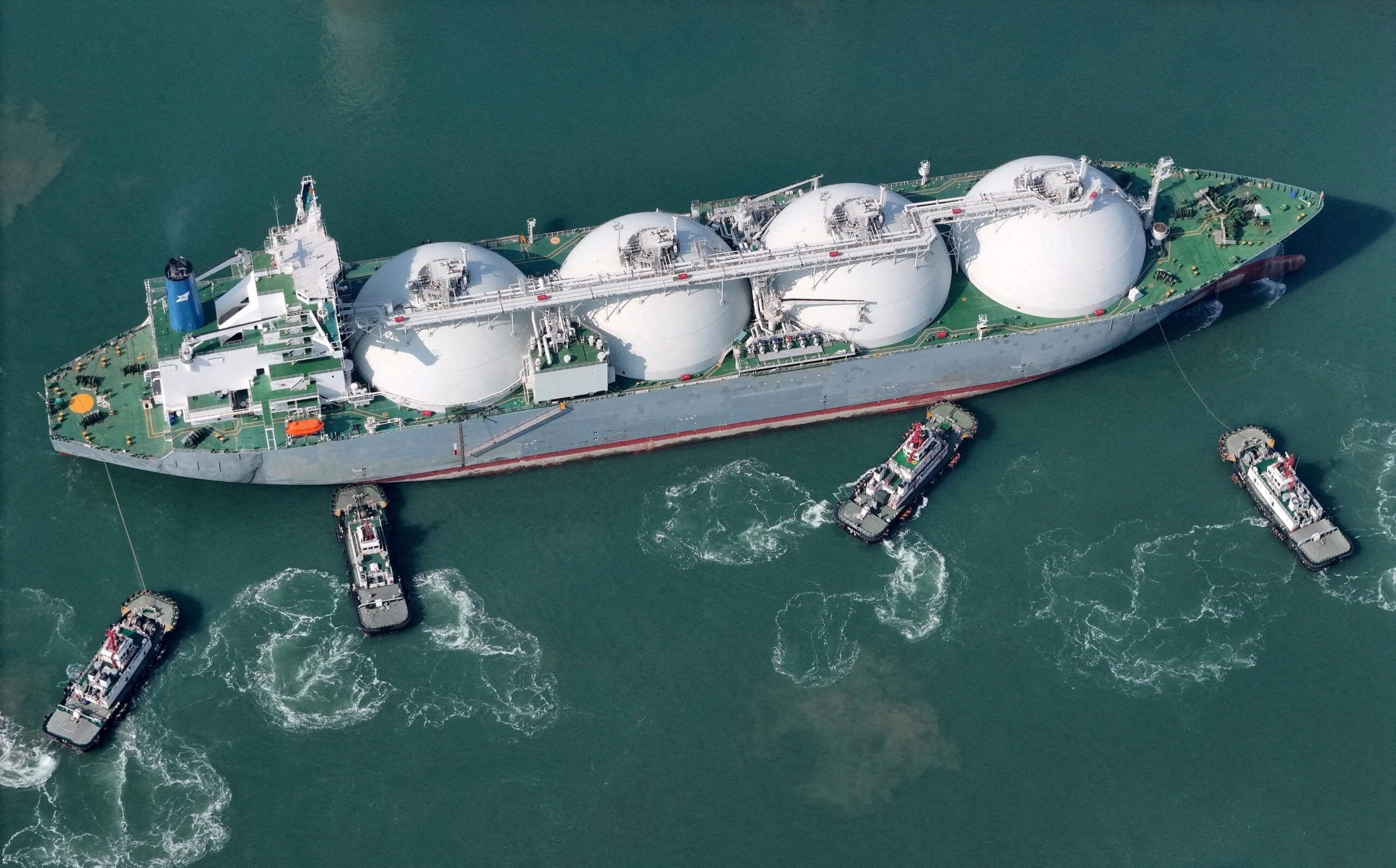
Shell forecasts that Strait of Hormuz disruptions could lead to flat global LNG trade in 2026, with growth resuming in 2027
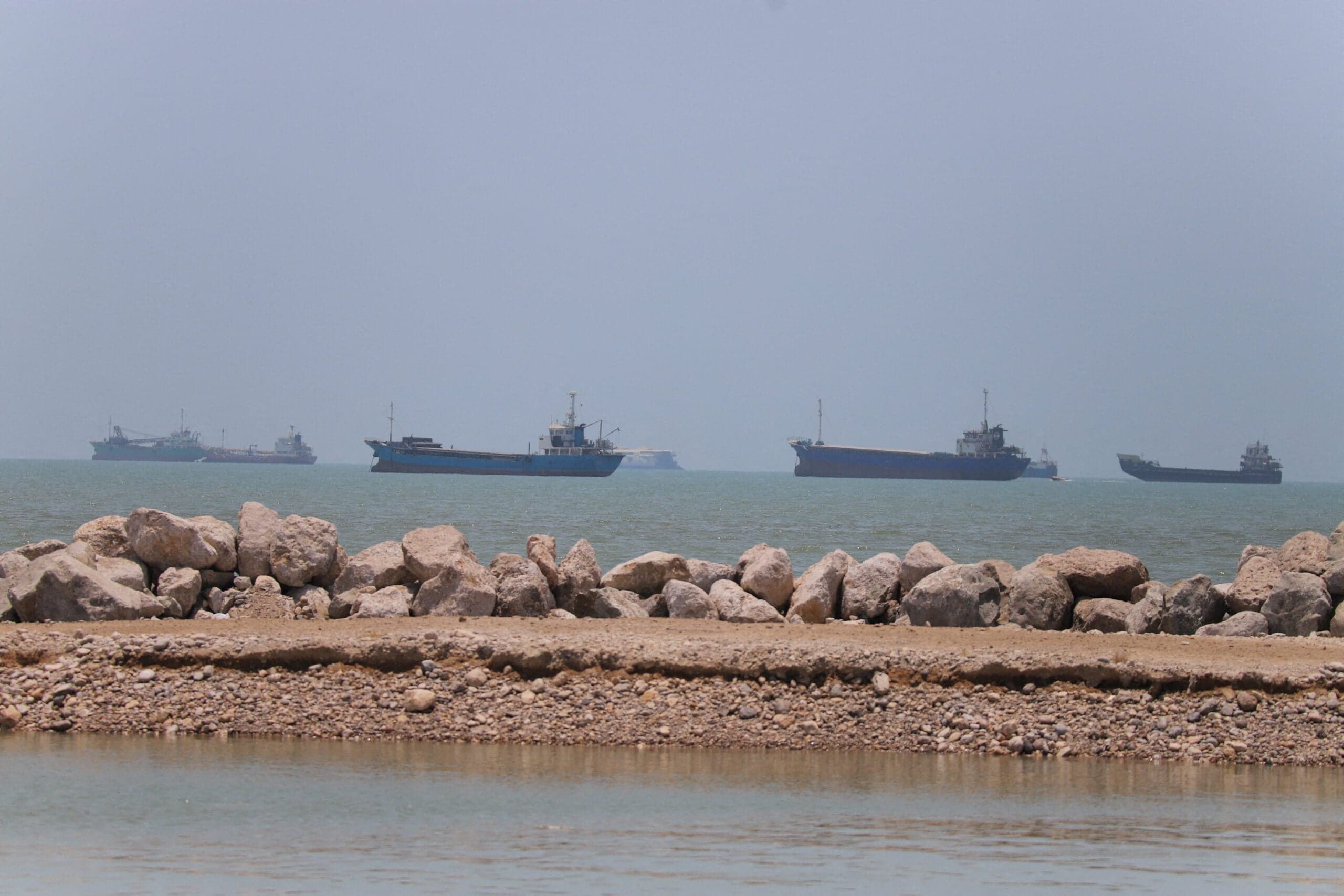
Iran reiterated its determination to control maritime traffic through the Strait of Hormuz, raising stakes before new talks.
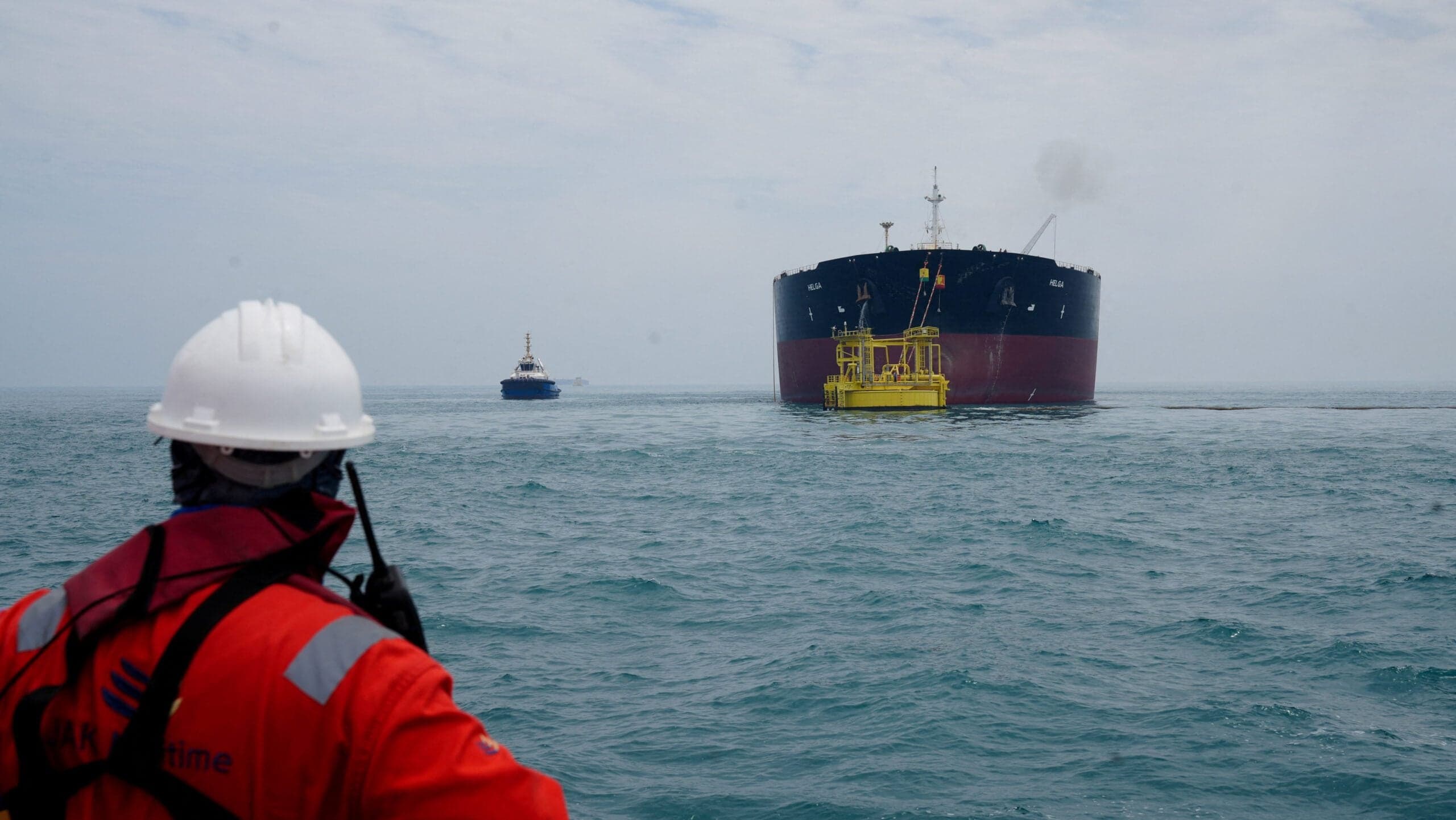
The UN warns that economic fallout from the 100-day Strait of Hormuz crisis will persist despite shipping recovery
The NCTV has identified an increased risk of terrorist attacks stemming from the ongoing conflict involving Iran.

Oil tanker operators are acting on signals that the Strait of Hormuz is reopening, influencing freight rates.

Global airfreight rates are showing signs of easing, with a 5% weekly decline attributed to the US-Iran ceasefire.
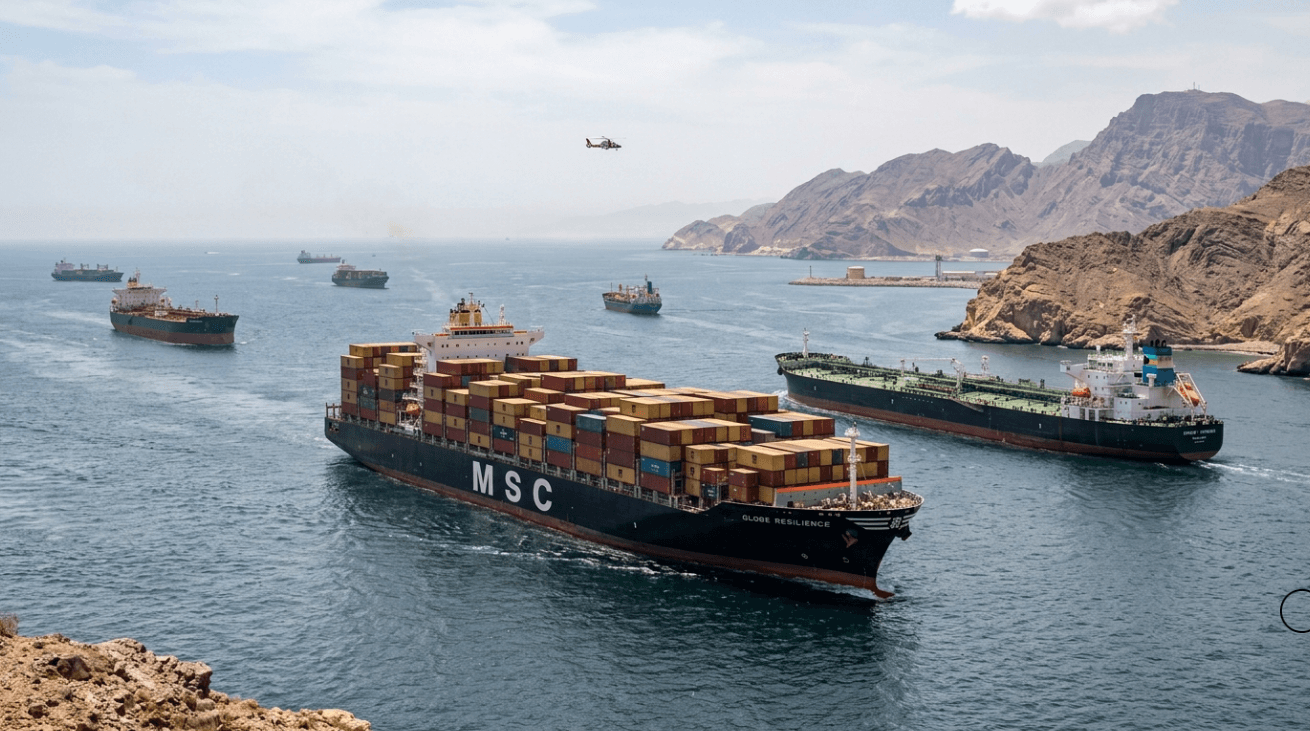
Disruptions in the Strait of Hormuz are forcing global supply chains to prioritize resilience over efficiency.
The VLCC market adapted to the Strait of Hormuz closure in Q2 2026, leading to significant rerouting of crude oil shipments
Maritime traffic through the Strait of Hormuz remains stable despite geopolitical tensions and stalled peace talks.
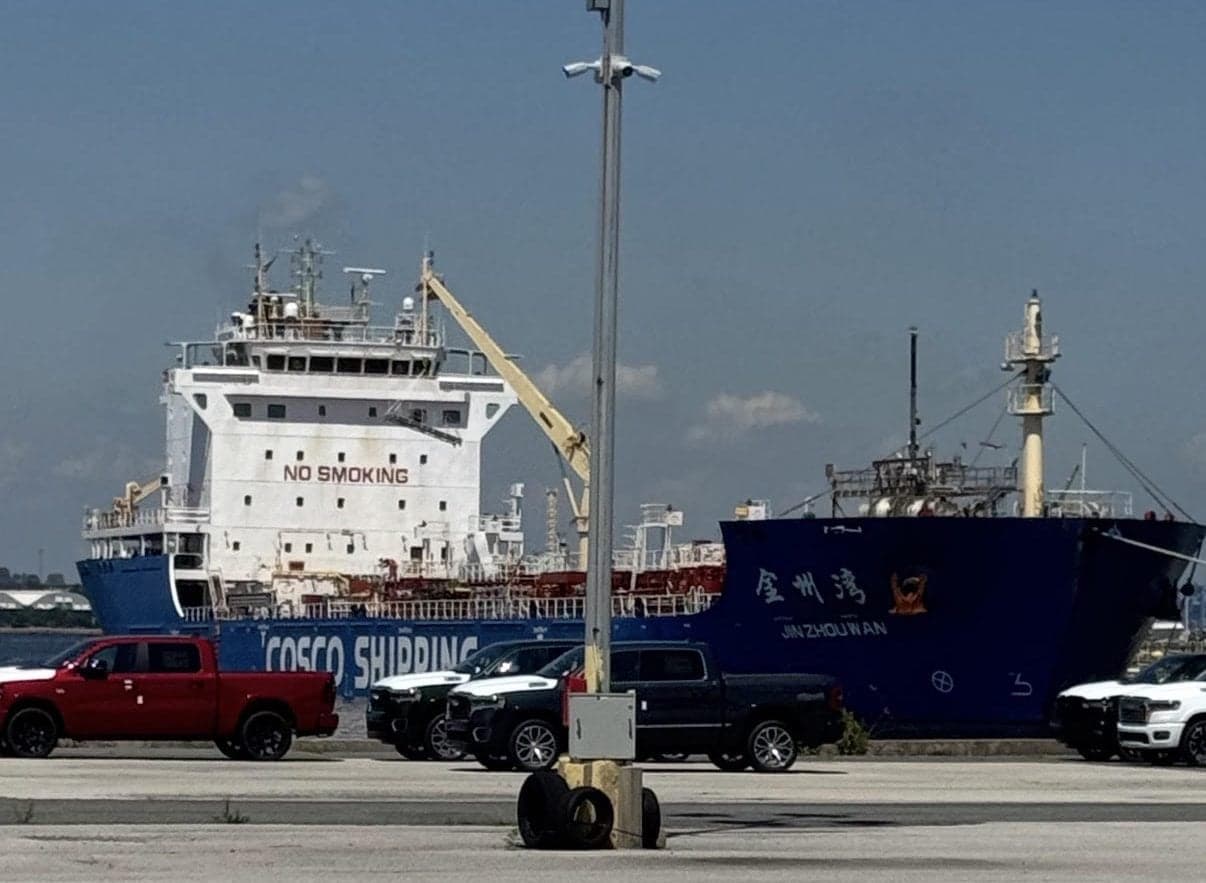
A Chinese-owned tanker completed its second U.S. coastwise asphalt shipment using an emergency Jones Act waiver.
A ceasefire on June 24 has allowed for the gradual resumption of commercial shipping in the Persian Gulf.
Fuel-related charges surged over 100% due to the Iran conflict, with carriers adding emergency bunker surcharges.
Commercial transits through the Strait of Hormuz have plummeted by 90% due to recent kinetic incidents and a suspended evacuation corridor
European natural gas prices rose over 1% on Monday, driven by Middle East geopolitical risks and LNG shipping disruption fears
The US and Iran have reportedly agreed to stop tit-for-tat attacks in the Strait of Hormuz, allowing free vessel transit.
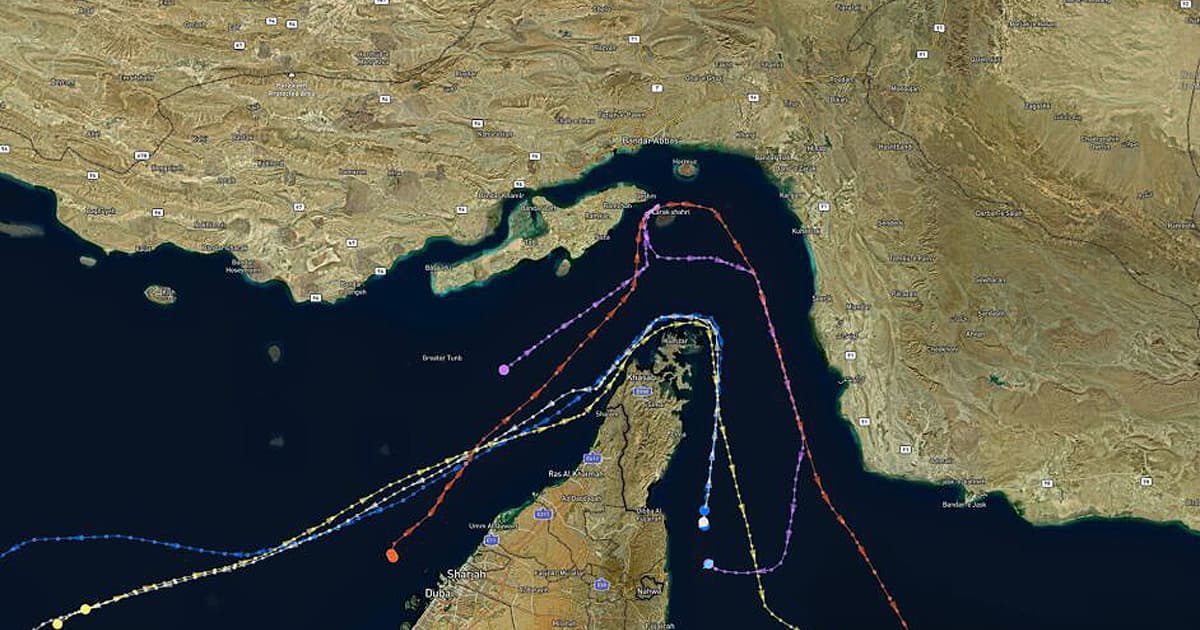
Tanker traffic in the Strait of Hormuz has fallen due to recent vessel attacks, impacting global oil supply.
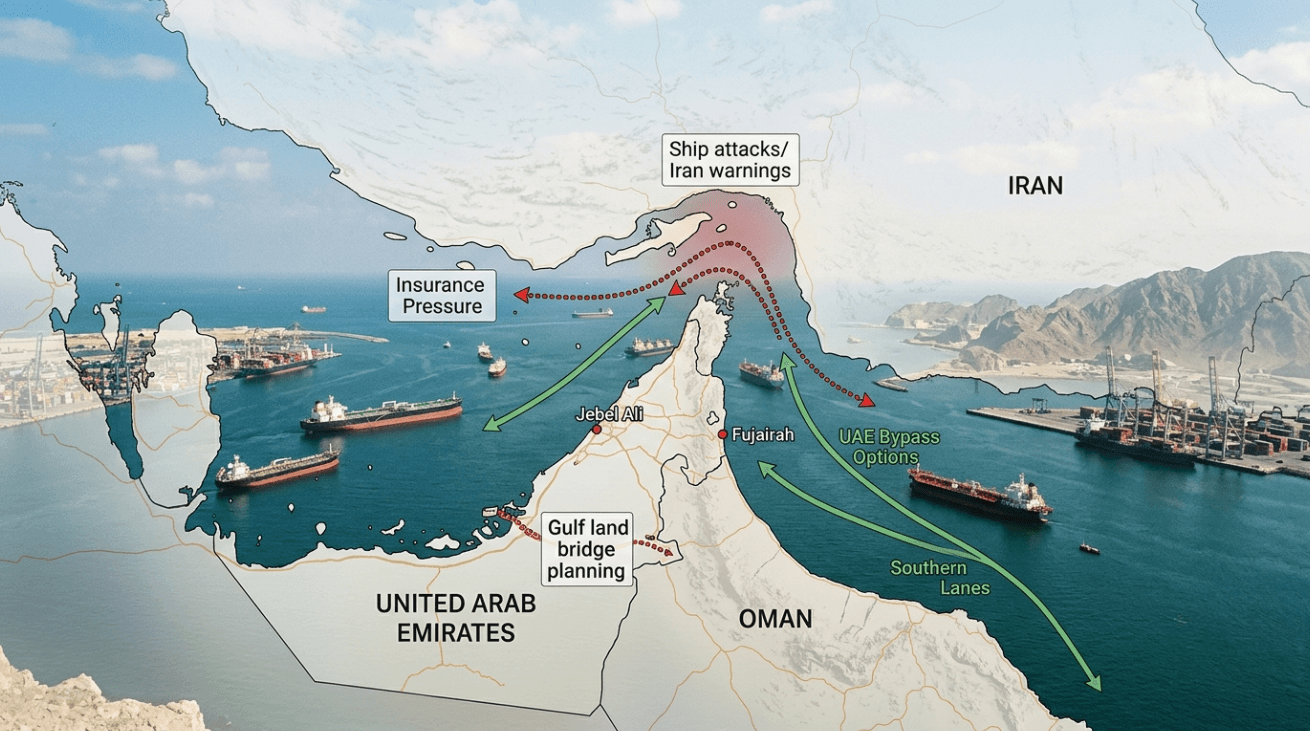
Shipowners are assessing alternative routes around the Strait of Hormuz due to Iran's warnings and rising insurance premiums.
Browse by mode or open the Intelligence Suite for cross-cutting briefs.