VesselBot's recent data analysis has uncovered a substantial 31% discrepancy in carbon emissions among different carriers operating on comparable transatlantic trade lanes. This significant variance underscores how individual carrier strategies, particularly regarding vessel deployment and utilization, directly affect the environmental footprint of container shipping.
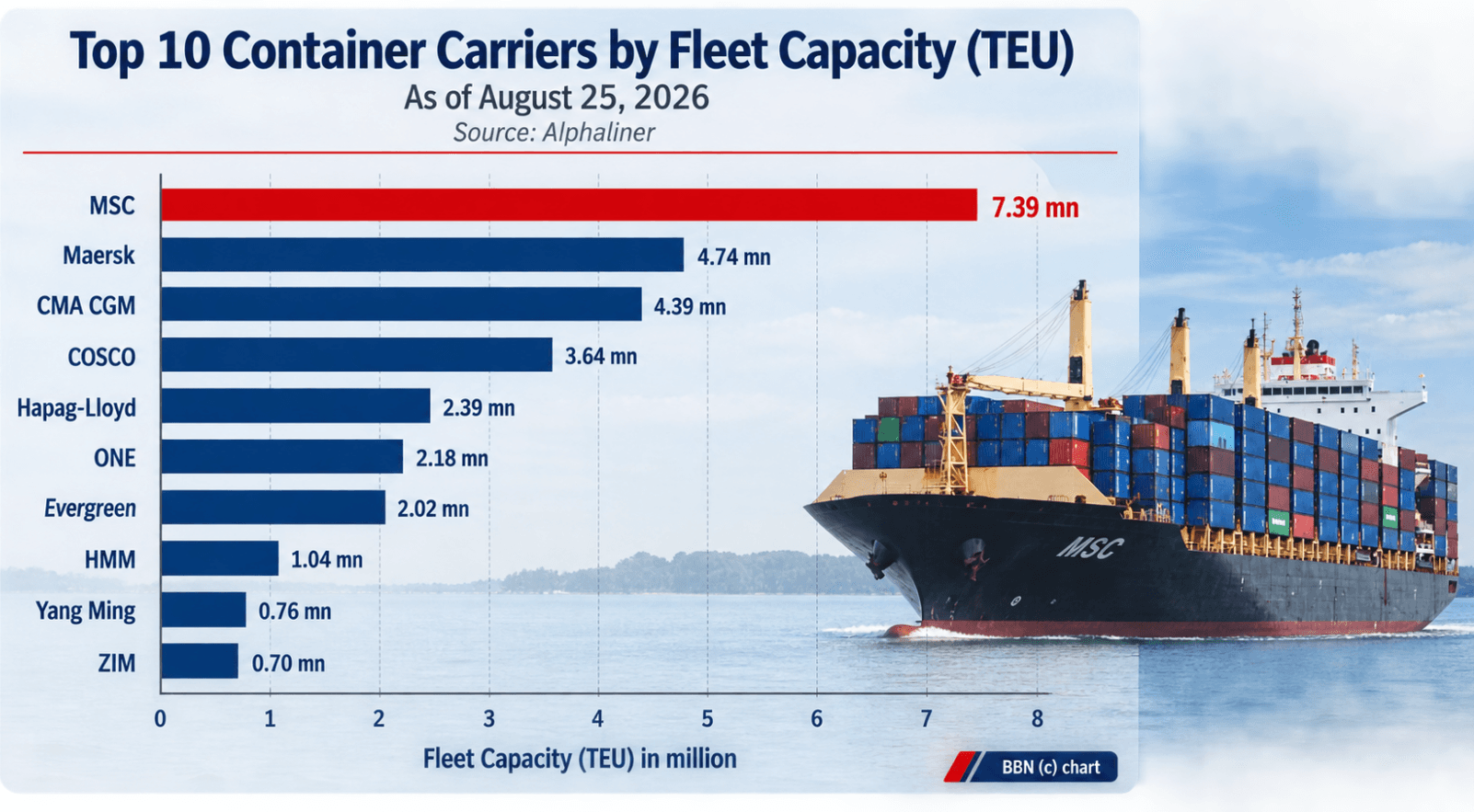
The findings specifically mention Hapag-Lloyd and MSC, suggesting that their operational decisions play a crucial role in shaping overall efficiency and the associated emissions. For freight forwarders and shippers, this data is highly relevant as it directly impacts their Scope 3 emissions reporting, which covers indirect emissions from their value chain, including transportation. Understanding these differences can inform carrier selection and contribute to more accurate sustainability reporting.
This insight emphasizes the ongoing imperative for maritime decarbonization. Forwarders can leverage such data to make more informed decisions when choosing carriers, potentially opting for those with lower emissions profiles to meet their own sustainability targets and reduce their environmental impact. It also suggests that carriers have a clear opportunity to optimize their operations to reduce emissions, which could become a competitive advantage in a market increasingly focused on sustainability.