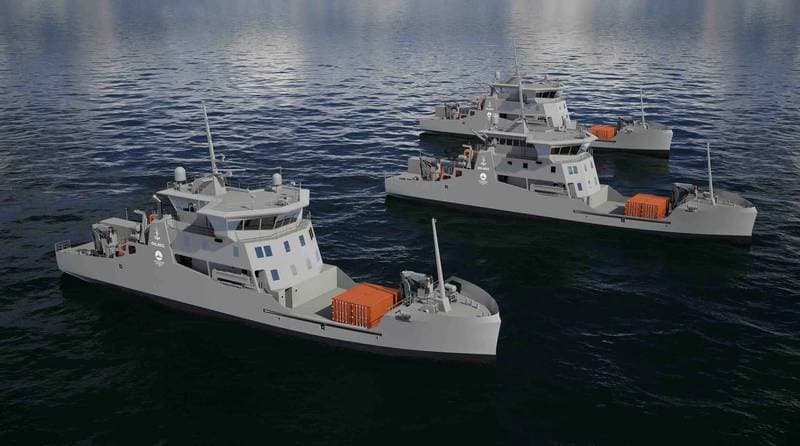
New research highlights that a significant portion, specifically 10%, of international shipping emissions takes place within port areas worldwide. This finding underscores the potential for targeted interventions to improve air quality and reduce the carbon footprint of maritime operations in coastal communities.
The study proposes that these emissions can be effectively reduced by implementing readily available electrification technologies. Key strategies include 'cold ironing,' where vessels connect to shore power while docked, eliminating the need to run auxiliary engines. Additionally, using battery-electric propulsion for maneuvering and idling within ports, as well as converting vessels on short-sea routes to fully battery-operated systems, are identified as viable solutions.
For freight forwarders and logistics professionals, this research points to a future where port operations are cleaner and potentially more efficient. Reduced emissions in ports could lead to fewer regulatory pressures in environmentally sensitive areas and improved operational conditions. While direct rate impacts are not immediately clear, a shift towards electrified port operations could influence port charges or incentivize carriers to adopt greener practices, potentially affecting vessel selection and routing decisions for forwarders focused on sustainability. It also highlights the growing importance of green logistics solutions in the maritime sector.