25d ago·Hellenic Shipping News
Navibulgar's Fleet Renewal Strategy Focuses on Efficiency and Modern Design
Navibulgar has spent over ten years developing a new generation of efficient bulk carriers in collaboration with DNV
Articles tagged with the IMO Decarbonization topic across every transport mode.
Navibulgar has spent over ten years developing a new generation of efficient bulk carriers in collaboration with DNV
Silverstream's method for assessing its air lubrication system's energy savings has been independently validated by RINA.
The Poseidon Principles now include marine insurers as associate members, consolidating efforts for shipping decarbonization
A new study stresses the importance of robust fuel certification to guarantee a genuine and fraud-free transition to green shipping
SEA-LNG attended its first IMO GHG meeting, observing a more practical discussion on decarbonization pathways, including methane.
South Korean shipbuilders will showcase advanced gas and carbon-free vessel technologies at the Gastech exhibition in Bangkok

Europe's largest industrial carbon capture facility at Yara's Sluiskil complex is now operational, shipping CO2 to North Sea storage
A new UK coalition aims to accelerate maritime decarbonization by focusing on alternative fuels, infrastructure, and policy.

France's Union TLF expresses serious reservations about a draft decarbonization bill, citing potential negative impacts on competitiveness
bound4blue's Model 3-24 eSAIL, a wind propulsion system for larger ships, received a Bureau Veritas Design Assessment
Babcock LGE's new ecoAPEX system enhances energy efficiency on gas carriers by optimizing reliquefaction processes
FuelTech and Sunship Lauterjung are collaborating on maintenance for dual-fuel engines running on bio-LNG.
Maersk, Lloyd's Register, and two major ports are studying a nuclear-powered shipping corridor between the US and UK
Lehmann Marine has expanded its maritime battery production with a new manufacturing line in Xanthi, Greece.
Yanmar Power Solutions received DNV type approval for its Maritime Hydrogen Fuel Cell System, advancing marine hydrogen technology
Non-profit groups reacted to the IMO's ISWG-GHG 22 meeting, which discussed progress on the Net-Zero Framework.
The IMO's Intersessional Working Group on GHG emissions saw collaborative spirit but limited tangible progress on Net Zero Framework.
Lloyd's Register stresses the value of local expertise in Germany's influential maritime sector amid global and digital shifts
The IMO's GHG working group advanced its net-zero framework, with most states backing a carbon pricing mechanism for revenue collection
The ISWG-GHG 22 meeting concluded with positive indications for advancing the Net Zero Framework towards MEPC 85
Chinese shipbuilders and European shipowners urged closer collaboration on vessel development, alternative fuels, and digitalization.
The IMO's working group is reconvening to discuss the Net-Zero Framework, facing divisions over ambition and costs.
ClassNK has granted Approval in Principle for OceanWings' Rigid Fixed and Rigid Tiltable wingsail designs, confirming scalability
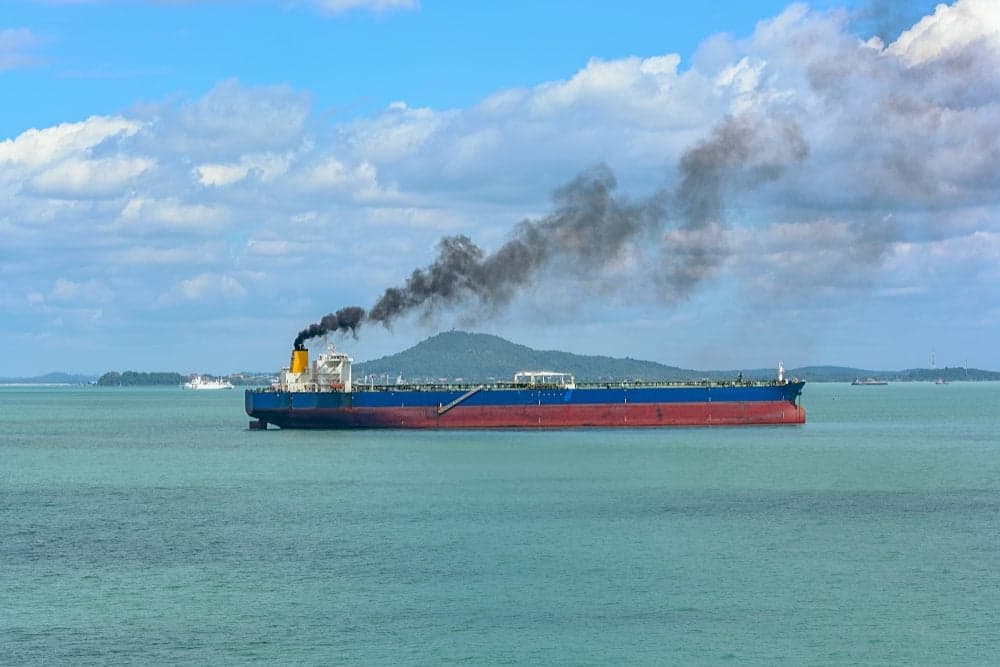
The IMO's Net-Zero Framework for shipping decarbonization largely survived recent negotiations despite efforts to weaken it
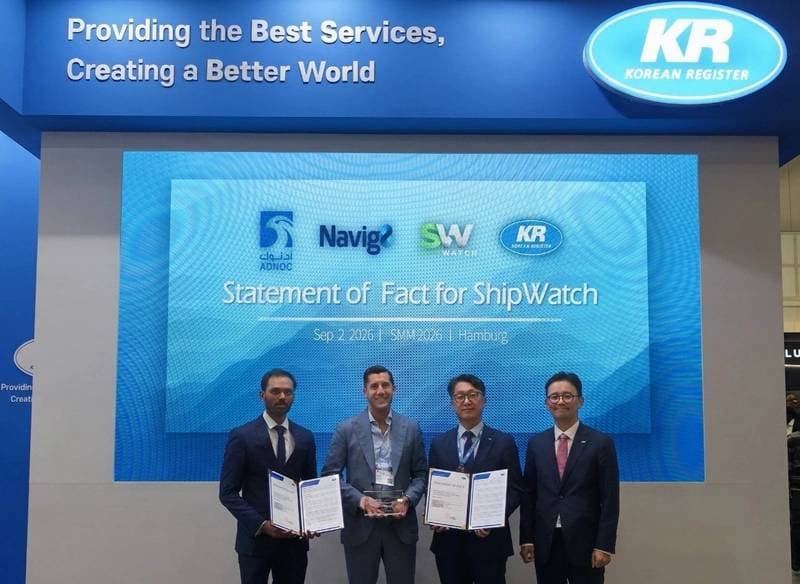
Korean Register has validated ShipWatch's vessel performance calculation methodology, confirming its alignment with industry standards
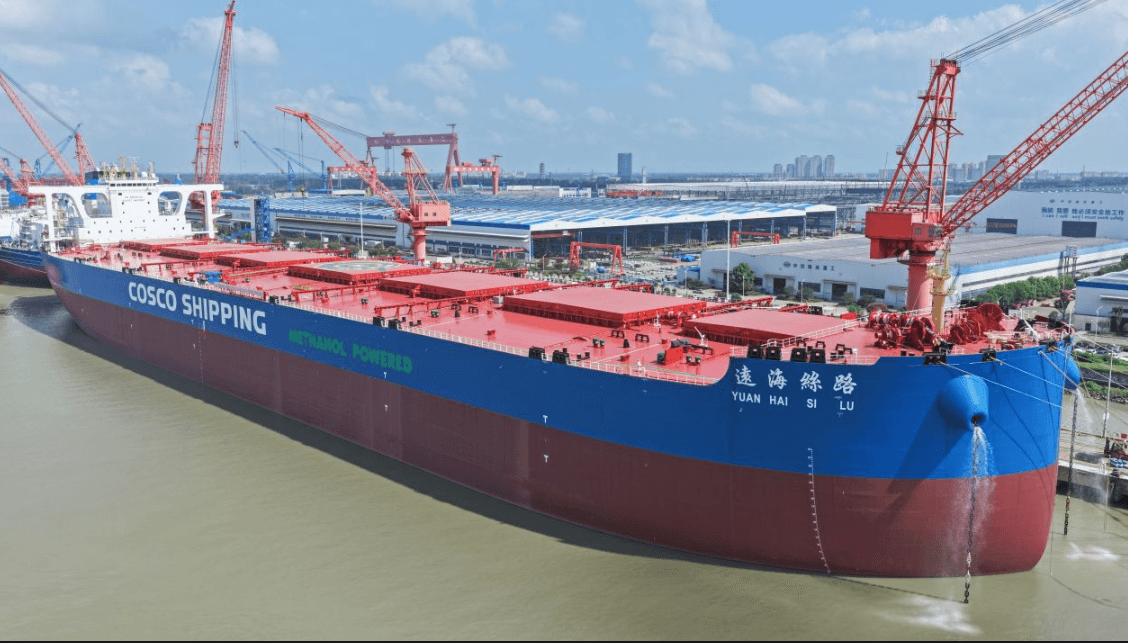
COSCO Shipping Bulk has named its new methanol dual-fuel ore carrier, the YUANHAISILU, set for October delivery
Yanmar Power Solutions' maritime hydrogen fuel cell system has received DNV Type Approval, easing adoption for shipbuilders and operators
Lloyd's Register identifies tankers, LNG ships, and feeder vessels as top candidates for onboard carbon capture technology.
The IMO has joined the IAEA's ATLAS initiative to enhance international cooperation on safe nuclear technologies at sea
The inaugural Everllence B&W G80 ethanol-capable engine has finished R&D testing in Korea for a new VLOC.
Browse by mode or open the Intelligence Suite for cross-cutting briefs.