31d ago·Bunkerspot
Lloyd's Register Identifies Key Vessel Types for Onboard Carbon Capture
Lloyd's Register identifies tankers, LNG ships, and feeder vessels as top candidates for onboard carbon capture technology.
Articles tagged with the IMO Decarbonization topic across every transport mode.
Lloyd's Register identifies tankers, LNG ships, and feeder vessels as top candidates for onboard carbon capture technology.
The IMO has joined the IAEA's ATLAS initiative to enhance international cooperation on safe nuclear technologies at sea
The inaugural Everllence B&W G80 ethanol-capable engine has finished R&D testing in Korea for a new VLOC.
Maersk Labrea will be the first container ship to receive a rotor sail, enhancing fuel efficiency
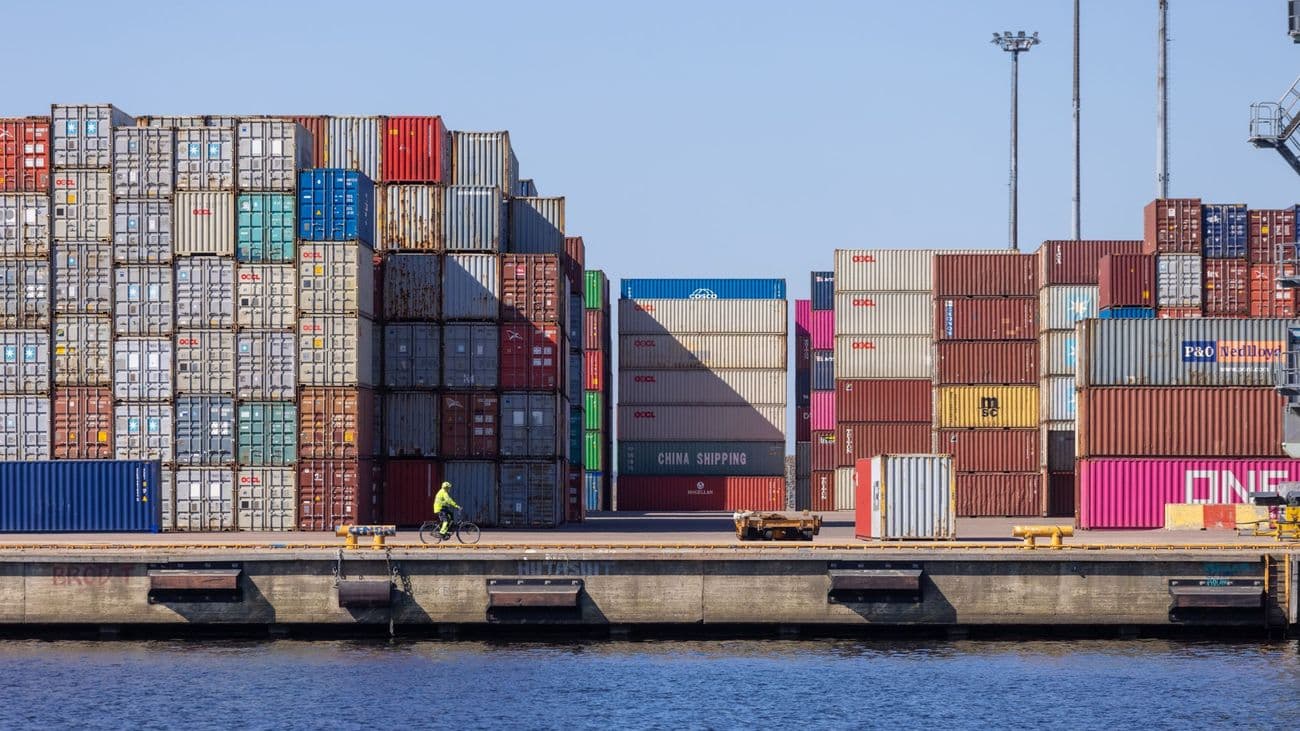
Port of HaminaKotka is installing a new shore power system at its Mussalo terminal, with ABB as the main contractor
Shipping must pool demand for alternative fuels to unlock investment in zero-emission solutions, according to EmissionLink.
eCap Marine will equip two new GMI bulk carriers with hydrogen-based energy systems, furthering their collaboration
The IBIA Annual Convention 2026 will gather marine energy and shipping leaders to discuss critical issues in marine fuels.
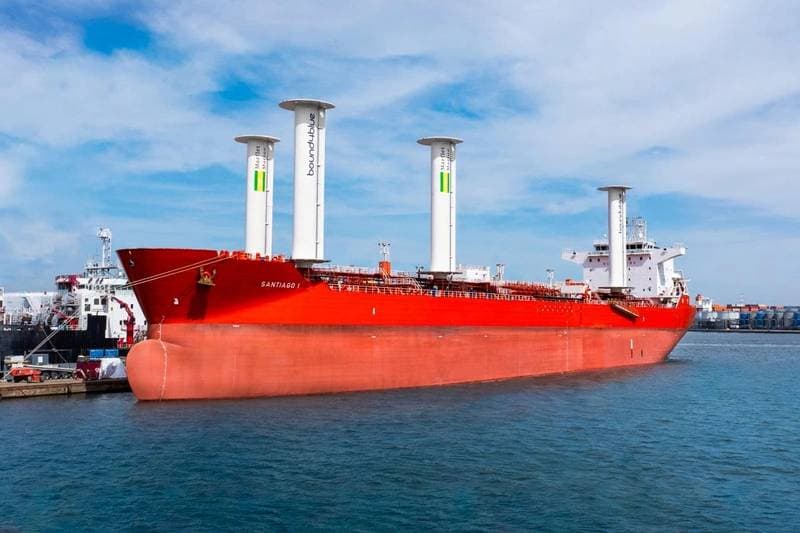
bound4blue has completed the installation of four eSAIL suction sails on Marflet Marine's Santiago I tanker.
Construction has begun on four battery-electric tugs for Svitzer at Cochin Shipyard in India, supporting green maritime goals.
Innovative marine coatings are vital for improving vessel fuel efficiency and achieving environmental compliance in shipping
Shipping industry groups welcome the EU Commission's proposal to include two Indian ship recycling facilities on the European List

Maersk, Lloyd's Register, and ports are studying the security for a theoretical nuclear-powered container ship route
Flexibility in fuel infrastructure will be key for shipping operators to adapt to the energy transition, says Auramarine.
NORDEN has delivered the first verified maritime emissions reductions to Microsoft via the RSB Book & Claim registry.
Everllence has launched its new Engine Supported Air Lubrication (ESAL) technology, aiming to improve vessel efficiency by up to 6%.
Wallenius has equipped its car carrier, Way Forward, with wing sails to enhance energy efficiency and collect operational data.

Shipping groups are urging the EU to approve Indian ship recycling yards, sparking debate with environmental organizations.
Kongsberg Maritime launched a NOK 68 million project to integrate wind propulsion with vessel systems for fuel savings
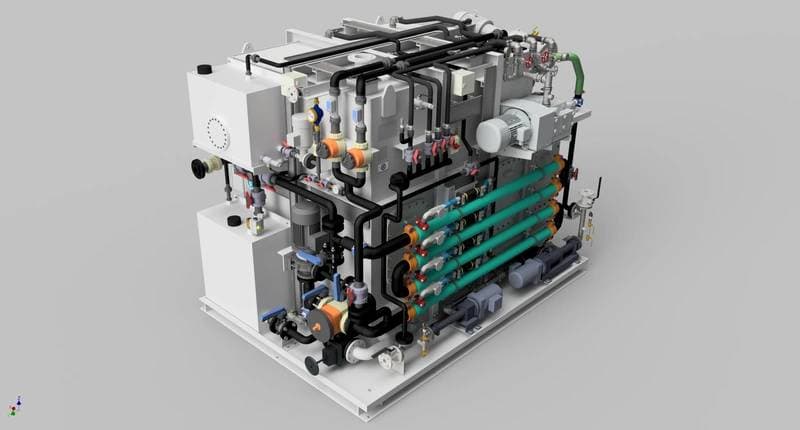
Hamworthy has launched its Ultra Trident MBR, a new membrane bioreactor for expanded wastewater treatment on diverse vessels
New guidance from Lloyd's Register helps maritime organizations embed ESG into strategy for commercial advantage and competitiveness
Biofuel blending with marine fuels can push viscosity outside mass flow meter validated ranges, challenging accurate quantity verification
South Korea has unveiled draft regulations for its Green Shipping Corridor Act, opening a public consultation period.
Manta Marine Technologies will take over the full delivery of Foreship's air lubrication system to boost maritime energy efficiency
Deltamarin has enhanced its ship concept design by integrating advanced hydrodynamic optimization with Norwegian firm Nocean
Taiwan's CPC Corporation will introduce B24-VLSFO bio-bunker fuel at the Port of Kaohsiung from October, offering a greener shipping option
Alfa Laval's new Hukka-5 exhaust gas steam boiler enhances waste heat recovery and fuel efficiency for cruise and ferry vessels.
AZANE Fuel Solutions appoints Martin Cato Pettersen as Operations Manager to strengthen its ammonia bunkering capabilities.
Maersk will equip an 8,700 TEU container vessel with a 35-meter Anemoi RotorSail in 2027 to test wind propulsion.
Onboard carbon capture and storage systems offer a practical pathway for shipping to reduce CO2 emissions.
Browse by mode or open the Intelligence Suite for cross-cutting briefs.