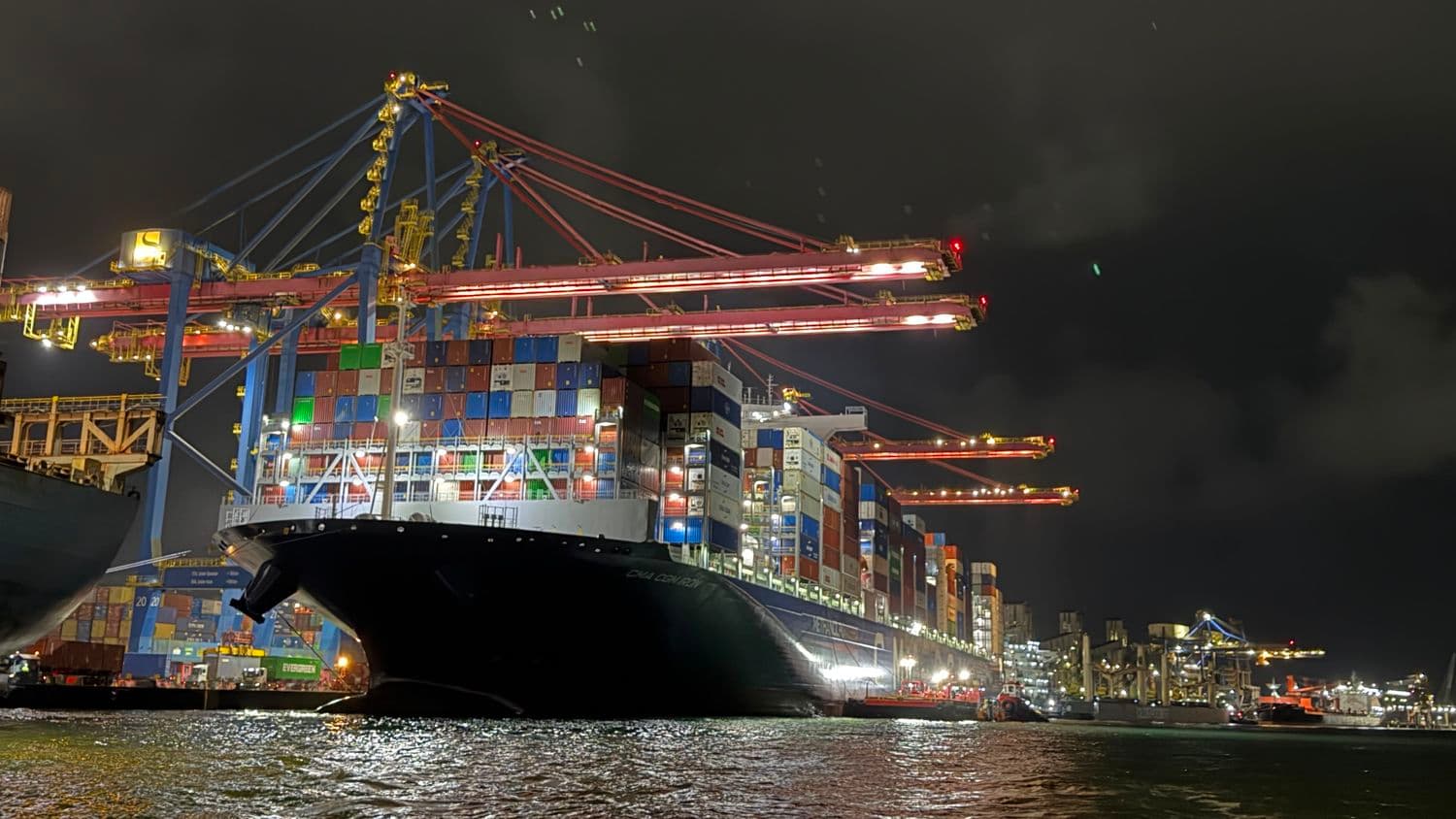
Danish marine fuel supplier Bunker One recently announced the completion of Latin America's first bioethanol bunkering operation for an ocean-going vessel. This pioneering initiative represents a notable development in the adoption of alternative, lower-emission fuels within the maritime sector.
For freight forwarders and operations managers, the availability of bioethanol as a bunker fuel in Latin America introduces a new option for carriers seeking to reduce their carbon footprint. While the immediate impact on global freight rates or capacity is likely minimal, it signifies a growing trend towards decarbonization in shipping. This could influence carrier service offerings and potentially lead to new green shipping corridors or premium services for environmentally conscious shippers in the long term. Forwarders should monitor the expansion of such alternative fuel infrastructure as it may affect vessel routing and fuel surcharges in the future.
This development aligns with broader industry efforts to meet environmental regulations and achieve decarbonization targets. As more alternative fuels become commercially viable and accessible, the maritime industry will continue to diversify its energy sources, impacting operational strategies and supply chain planning.