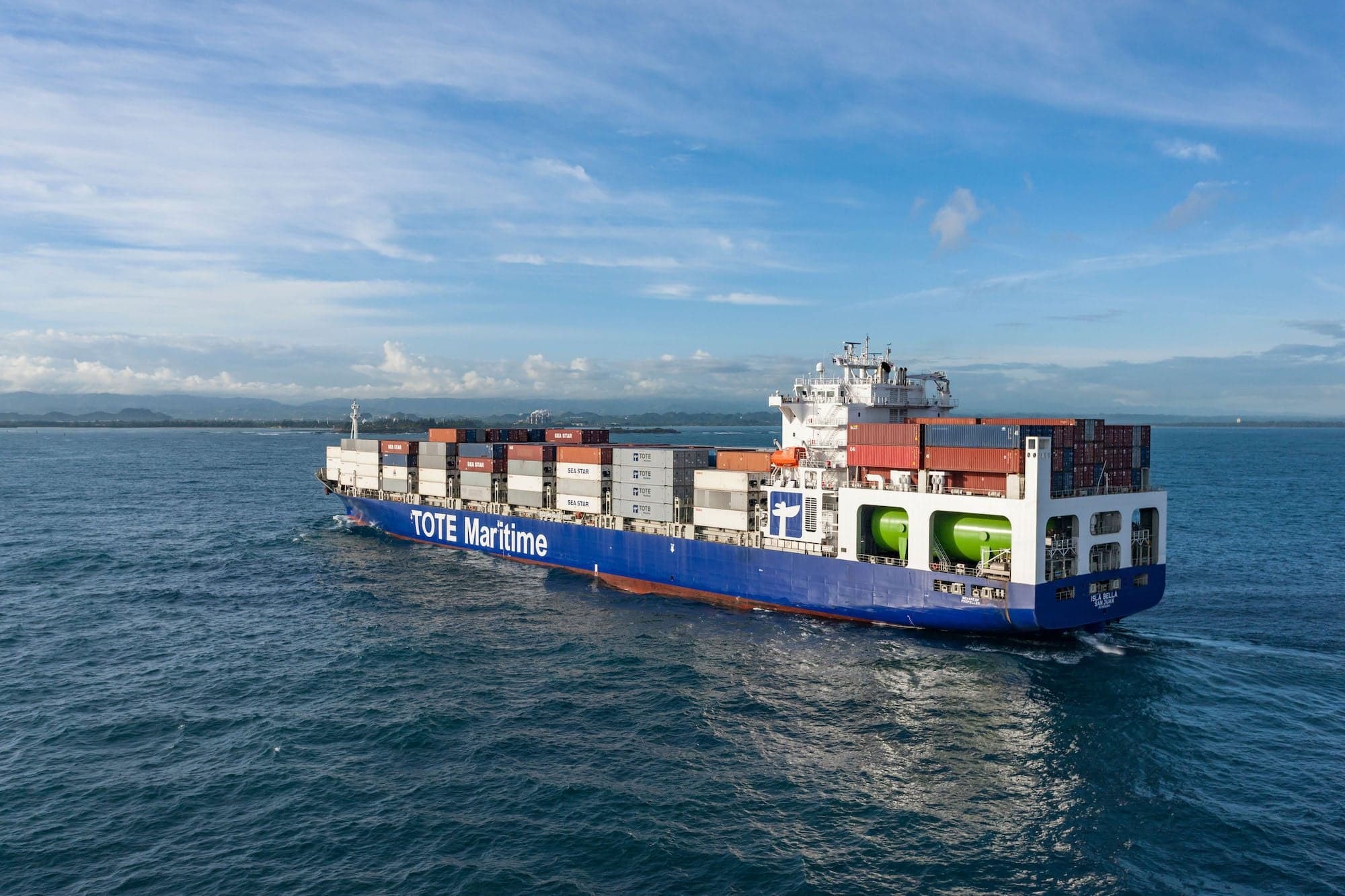
SEA-LNG has indicated that liquefied natural gas (LNG) continues to be the leading alternative fuel for new vessel orders within the maritime sector. This sustained preference for LNG is occurring as the shipping industry actively explores practical solutions for decarbonization.
The report also emphasizes the growth in biomethane production and the expansion of bunkering infrastructure designed to support LNG-fueled vessels. These developments are crucial as the industry works towards reducing its environmental footprint and meeting future emissions regulations.
For freight forwarders and operations managers, the continued investment in LNG-powered vessels suggests a more stable and predictable fuel landscape for a significant portion of the global fleet. The expansion of biomethane as a drop-in fuel for existing LNG engines offers a pathway to further emissions reductions without requiring new engine technology. This could influence carrier choices and potentially impact long-term operational costs and freight rates, as carriers with newer, more sustainable fleets may gain a competitive edge or face lower regulatory compliance costs.