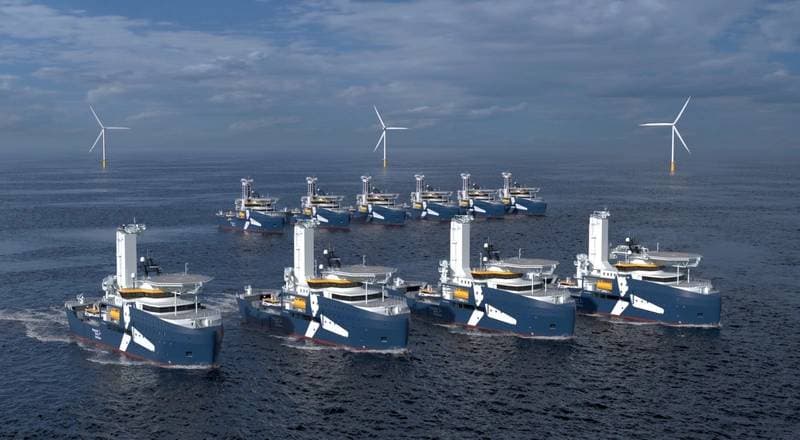
Vertom has recently taken delivery of a new vessel that incorporates two foldable Ventofoils on its forecastle deck. These wind-assisted propulsion systems are designed to enhance fuel efficiency and reduce emissions. However, when deployed in their operational, upright position, they create limited blind sectors for both X-band and S-band radars.
This issue has prompted a review by EUROMAR and the Portuguese Flag Administration to assess the vessel's compliance with international maritime visibility regulations. The evaluation aims to ensure that the integration of these innovative propulsion technologies does not compromise navigational safety or the vessel's ability to detect other ships and obstacles effectively.
For freight forwarders and operations managers, the adoption of such green technologies by carriers like Vertom signifies a broader industry trend towards decarbonization. While these innovations promise lower fuel consumption and potentially reduced bunker surcharges in the long term, any associated operational challenges, such as radar visibility, highlight the complexities of integrating new technologies. Forwarders should monitor how regulatory bodies address these issues, as it could influence vessel design, routing, and potentially impact schedule reliability if specific operational restrictions are imposed due to visibility concerns.