103d ago·MarineLink
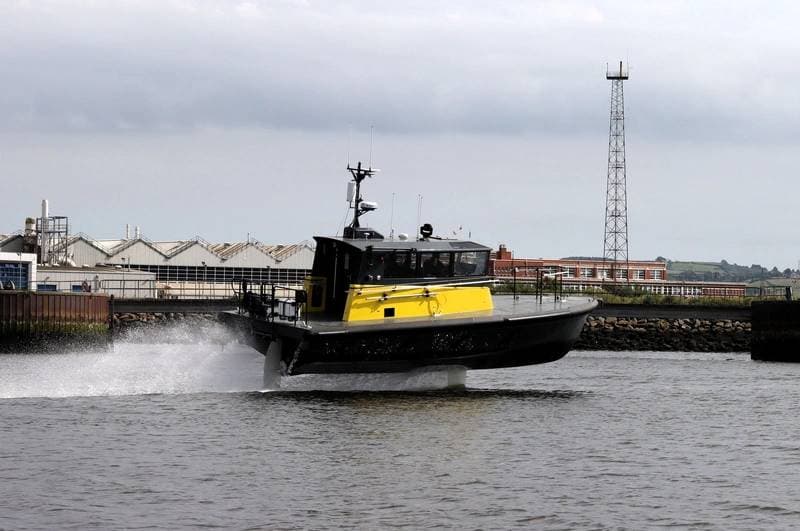
Artemis Technologies Unveils World's First Electric Hydrofoil Pilot Boat
Artemis Technologies has introduced the world's first fully electric hydrofoil pilot boat for zero-emission port operations
Articles tagged with the IMO Decarbonization topic across every transport mode.
Artemis Technologies has introduced the world's first fully electric hydrofoil pilot boat for zero-emission port operations
A new EU-funded project, AWESOME, aims to boost the adoption of wind-assisted propulsion systems for ships.
Decarbonization is now a commercial imperative for maritime companies, offering cost savings and competitive advantages.
Höegh Autoliners partnered with Rystad Energy for analysis to guide its decarbonization strategy in uncertain markets
EXMAR shares insights on safely operating the world's first ocean-going ammonia-fueled vessel, highlighting robust safety protocols
Oceanbird has finished installing its Wing560 wind propulsion system on Wallenius Wilhelmsen's car carrier Tirranna.
G2 Ocean now offers Emission Reduction Certificates, enabling customers to buy verified emissions reductions from biofuel use.
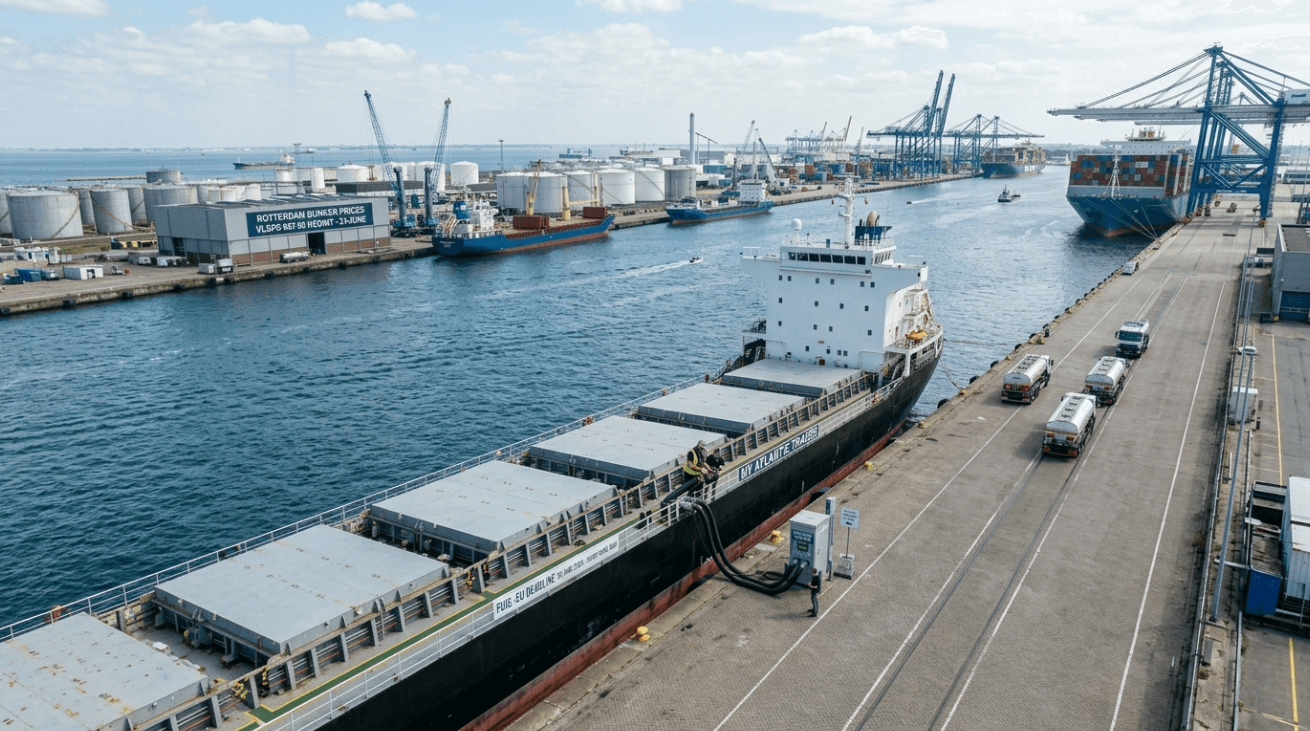
Shipowners face high bunker costs and slow charterer action as the FuelEU Maritime compliance deadline nears
Pemex and Petrobras signed an MoU to collaborate on decarbonization, alternative fuels, and carbon capture for two years
V.O. Chidambaranar Port Authority is lauded for a 45% carbon emission reduction and its commitment to green energy initiatives
The IMO has provisionally endorsed carbon mineralisation as a permanent storage method for captured CO2 on ships, advancing OCCS.
BHP's new CEO could prompt a strategic re-evaluation of the company's steel decarbonization efforts, IEEFA analysis suggests
Political instability is reshaping operational strategies, investments, and decarbonization efforts across global shipping, according to a…

The U.S. Coast Guard is developing regulations and training for future nuclear-powered commercial vessels
Seaspan Yangtze containership completes methanol dual-fuel engine upgrade, first in a five-vessel retrofit program for Hapag-Lloyd.
Geopolitical and economic instability, coupled with regulatory uncertainty, are the top risks for the maritime industry.
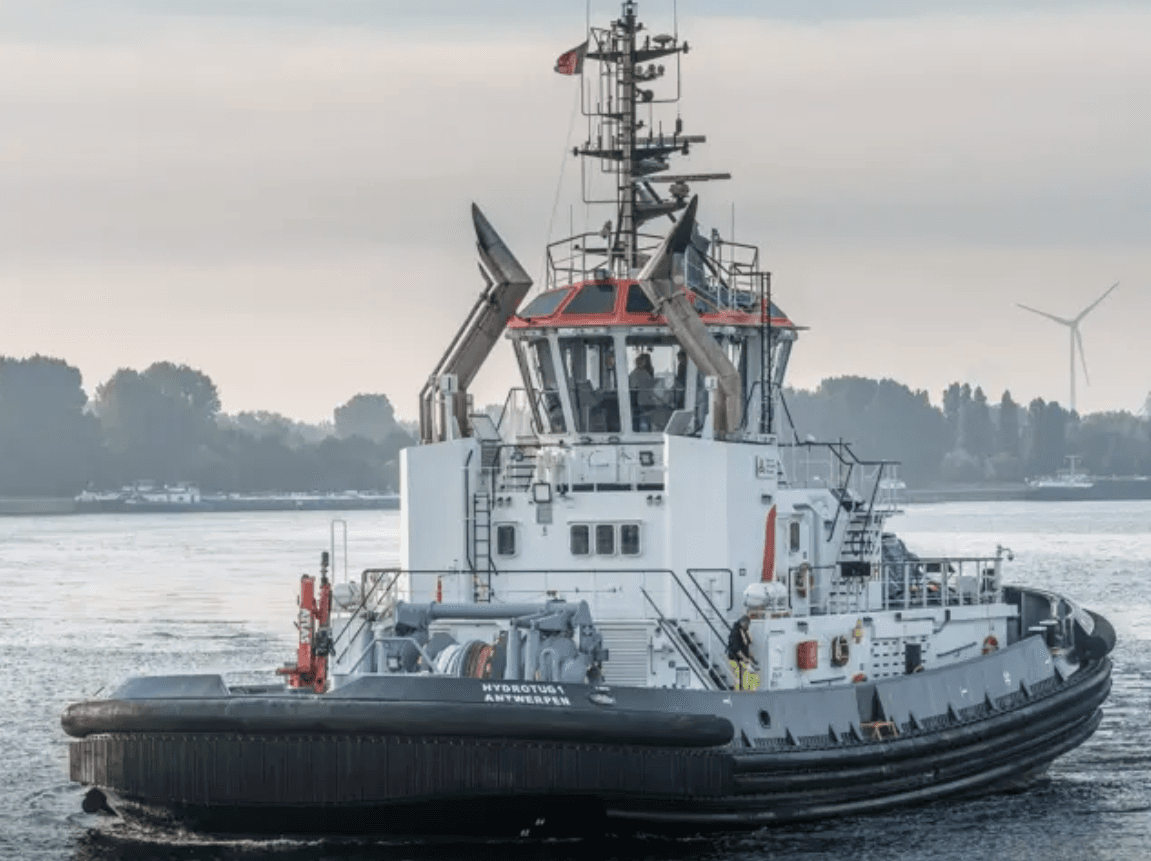
The Port of Antwerp-Bruges is expanding its alternative fuel infrastructure to help shipping meet 2050 emissions goals
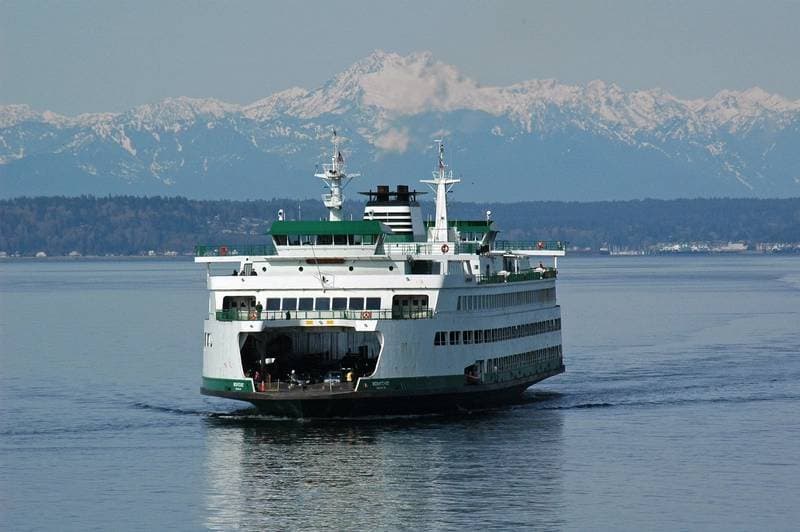
Washington State Ferries is converting its fleet to hybrid-electric propulsion, facing challenges during the M/V Wenatchee conversion.
Combining slow steaming and port call optimization offers a 'triple win' for shipping, reducing fuel, emissions, and aiding green fuels.
Nuclear scientists are divided on the efficacy of fourth-generation nuclear reactors for decarbonizing the shipping industry.
Low-GHG methane, including bio-methane and e-methane, may help LNG-capable ships comply with tightening emission regulations
Sulnox has secured a major four-year agreement with Eastern Pacific Shipping to expand the use of its fuel additive across EPS's fleet
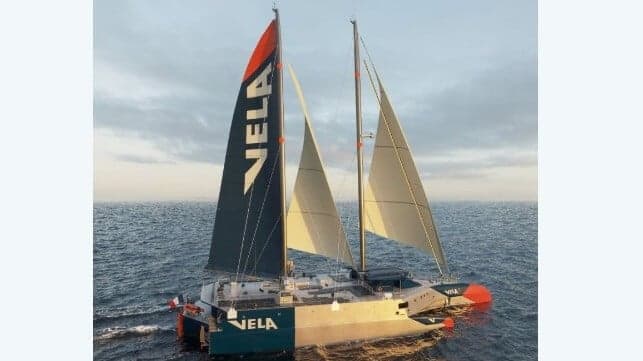
DHL is reportedly collaborating with the Vela project, which is developing wind-powered cargo vessels
John Denholm has been unanimously elected as the new Chairman of the International Chamber of Shipping (ICS)

Current SAF mandates are projected to deliver only modest emission reductions in air cargo by 2030, highlighting the need for additional…

Regulatory and policy inconsistencies are the main barriers to electrifying offshore vessels for wind energy projects
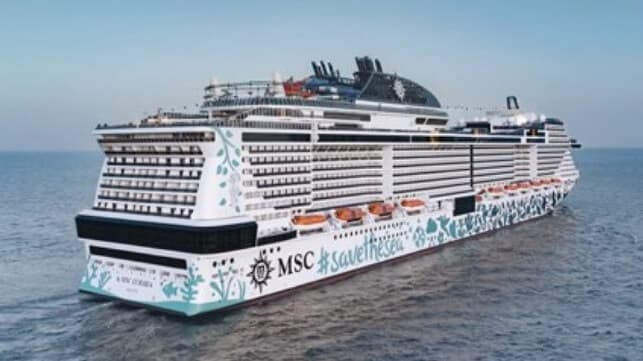
MSC Group's cruise division reports ongoing advancements in its energy transition and decarbonization strategy
European transport groups are calling for EU member states to allocate ETS revenues to sustainable fuels for shipping and aviation
Fortescue is chartering twelve ammonia-capable Newcastlemax bulkers from CMB.TECH to decarbonize its shipping.

NEUMAR, a new association, has launched to unite nuclear and maritime players for advancing nuclear solutions in shipping
Browse by mode or open the Intelligence Suite for cross-cutting briefs.