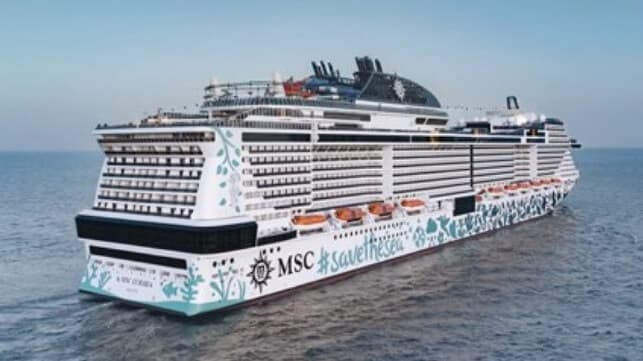
MSC Group's cruise division has announced continued progress in its energy transition initiatives, signaling a commitment to reducing its environmental impact. This development is part of a wider trend within the maritime sector to adopt more sustainable practices and cleaner energy sources.
While the article specifically addresses the cruise division, the underlying themes of energy transition and decarbonization are highly relevant to the entire MSC Group, including its cargo shipping operations. The strategies and technologies explored for cruise vessels, such as alternative fuels and energy efficiency measures, often have implications or direct applications for container ships and other freight vessels.
For freight forwarders and supply chain professionals, this focus on sustainability by major carriers like MSC indicates a growing industry trend. It suggests that future shipping contracts and carrier selections may increasingly factor in environmental performance. While there is no immediate impact on rates or capacity, sustained investment in green technologies could lead to shifts in operational costs and potentially influence the availability of eco-friendly shipping options over the long term. Shippers may also face increasing pressure from their own stakeholders to demonstrate sustainable supply chains, making carrier environmental commitments a more critical consideration.
Looking ahead, the ongoing advancements in energy transition within the MSC Group's cruise division could serve as a blueprint or pilot for broader sustainability efforts across its entire fleet. This could include further investments in alternative fuels, carbon capture technologies, and optimized vessel designs aimed at reducing emissions.