The current conflict involving Iran is pushing the global energy industry to fundamentally rethink its established supply chain models, particularly the reliance on just-in-time delivery. This geopolitical instability, characterized by attacks on shipping in vital waterways, is prompting a strategic pivot towards developing and investing in alternative export routes.
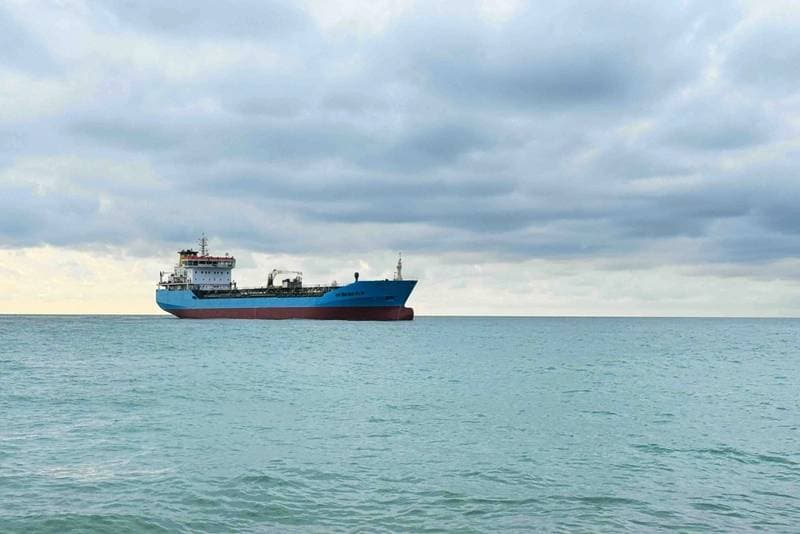
Historically, the Strait of Hormuz and the Red Sea have been indispensable conduits for a significant portion of the world's oil and gas shipments. The efficiency and cost-effectiveness of these routes have underpinned global energy logistics for decades. However, the escalating tensions and direct threats to maritime security in these regions are now forcing energy companies to prioritize resilience over pure efficiency.
For freight forwarders and logistics professionals, this development signifies potential shifts in established trade lanes and an increased demand for multimodal solutions. While direct oil and gas shipments are often handled by specialized tanker operators, the broader implications for supply chains include heightened war risk premiums for all cargo transiting the affected areas, potential for rerouting of ancillary support vessels, and a general increase in operational complexity and costs. Forwarders should anticipate longer transit times and higher insurance costs for shipments passing through or near the Gulf and Red Sea, and be prepared to advise shippers on alternative routing options, even if those options involve higher initial investment or operational costs.
Looking ahead, the industry may see accelerated development of pipelines, rail links, and other land-based infrastructure designed to circumvent maritime choke points. This long-term strategic investment could reshape global energy distribution networks and, by extension, influence the broader logistics landscape for project cargo and other heavy-lift movements associated with such infrastructure development.