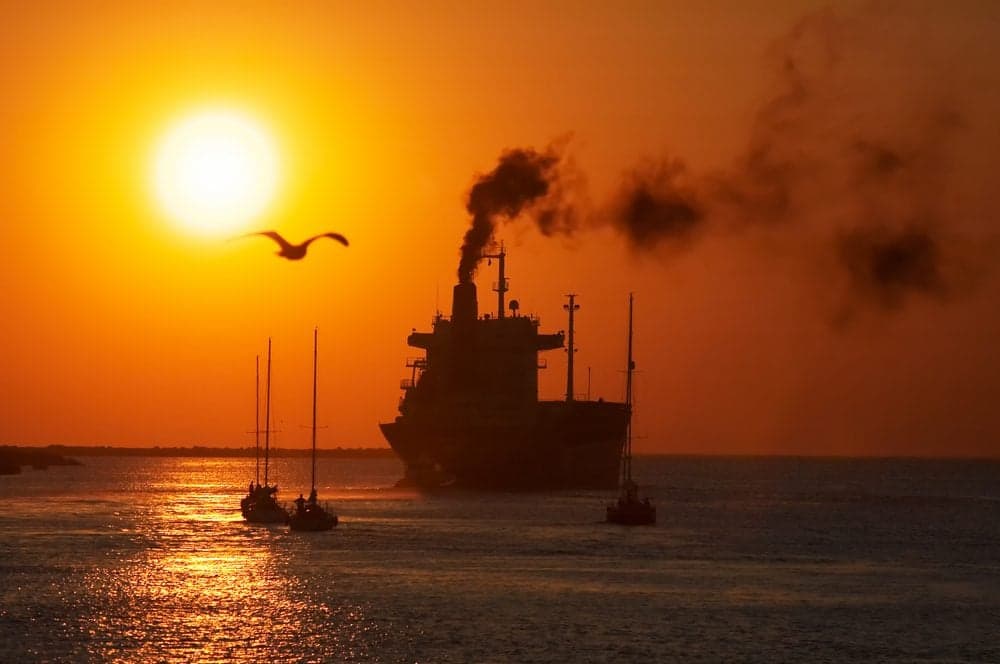
96d ago·gCaptain
Onboard Carbon Capture Technology for Shipping Expected by 2026
Onboard carbon capture technology is expected to be commercially viable for shipping by 2026, aiding decarbonization efforts
Articles tagged with the IMO Decarbonization topic across every transport mode.
Onboard carbon capture technology is expected to be commercially viable for shipping by 2026, aiding decarbonization efforts
AET is expanding its use of alternative fuels like biofuels and biomethane, citing fuel availability and regulatory uncertainty.
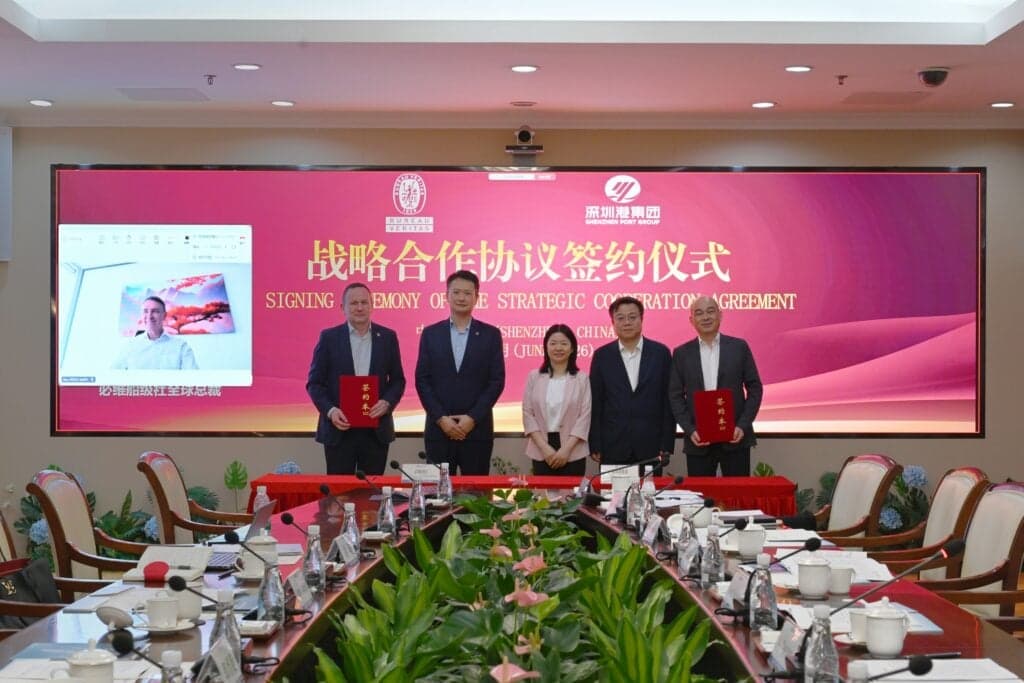
Shenzhen Port Group and Bureau Veritas Marine & Offshore have partnered to develop green shipping corridors.
BIMCO is seeking industry input on a common standard for maritime emissions data reporting using Operational Vessel Data
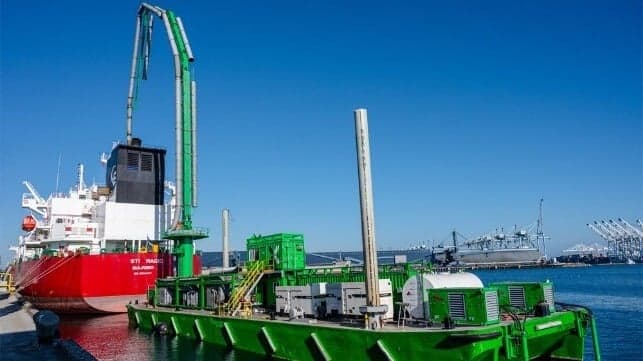
STAX Engineering secured Bain Capital funding to scale its maritime emissions capture technology, supporting industry decarbonization.
BIMCO welcomes progress at the Basel Convention OEWG, clarifying international ship recycling regulations and avoiding dual application
ClassNK introduces a new 'a-EA (CFP)' notation to visualize and verify GHG emissions during ship construction.
Thirteen Chinese shipping companies signed a "Green Shipping Declaration" to advance dry bulk decarbonization efforts
A proposed EU rule change could restrict a key pathway for supplying bioLNG and eLNG to ships, impacting maritime decarbonization
DNV has verified Syroco's methodology for estimating fuel and time savings through its Live voyage optimization platform.
Turkish supplier Arkas Bunker has expanded its biofuel bunkering operations, supplying over 15,000 tons to 32 vessel types
Record heatwaves in Europe underscore the critical importance of the IMO's Net-Zero Framework for shipping emissions reduction

Airlines face mandatory CORSIA participation, but carbon offset supply may fall short due to authorization delays and stricter rules
NAPA and Samsung Heavy Industries will collaborate on performance analysis for wind-assisted vessels and integrate voyage optimization.
The EU's AWESOME project, led by Kongsberg Maritime, aims to optimize wind-assisted propulsion systems for greener shipping

Integrating design principles from diverse vessel types can foster innovation, improve efficiency, and enhance sustainability.
The shipping industry seeks clear guidance from the European Commission on preventing double charging for emissions.
New IMO rules are being developed to curb black carbon emissions from Arctic shipping, enhancing existing environmental protections
ClassNK and NMRI are jointly researching corrosion in low-temperature, low-pressure liquefied CO2 cargo tanks
A University of Piraeus study reveals the EU ETS could boost bulker fuel costs by up to 33% as regulations tighten
HD KSOE has secured final performance verification and type approval for its high-pressure pump for LNG-fueled ships.
Norway's Enova stresses the need for hydrogen and ammonia fuel for long-distance shipping, as electric vessels face range limits
Jotun COSCO Marine Coatings will equip 125 new COSCO SHIPPING Bulk vessels with advanced antifouling solutions to boost efficiency
Wärtsilä states that shipping companies face increased difficulty in adopting low-carbon fuels due to IMO's delayed global decarbonization…
A new bill proposes a $1 billion annual program to advance clean shipping technology and infrastructure in the US.
Pilbara Ports Authority plans to launch ammonia bunkering at Port Hedland by 2026, ensuring infrastructure and safety readiness
Maritime leaders are addressing the regulatory hurdles for deploying nuclear propulsion in shipping.
The BMA introduces an updated training framework for seafarers to achieve the IGF (Advanced) Certificate of Proficiency.
Cavotec has secured a €1.5 million contract to provide shore power technology for a Southern California cruise terminal expansion.
The maritime sector faces a complex carbon pricing landscape with overlapping EU ETS, FuelEU Maritime, and IMO regulations.
Browse by mode or open the Intelligence Suite for cross-cutting briefs.