127d ago·Container NewsHIGH
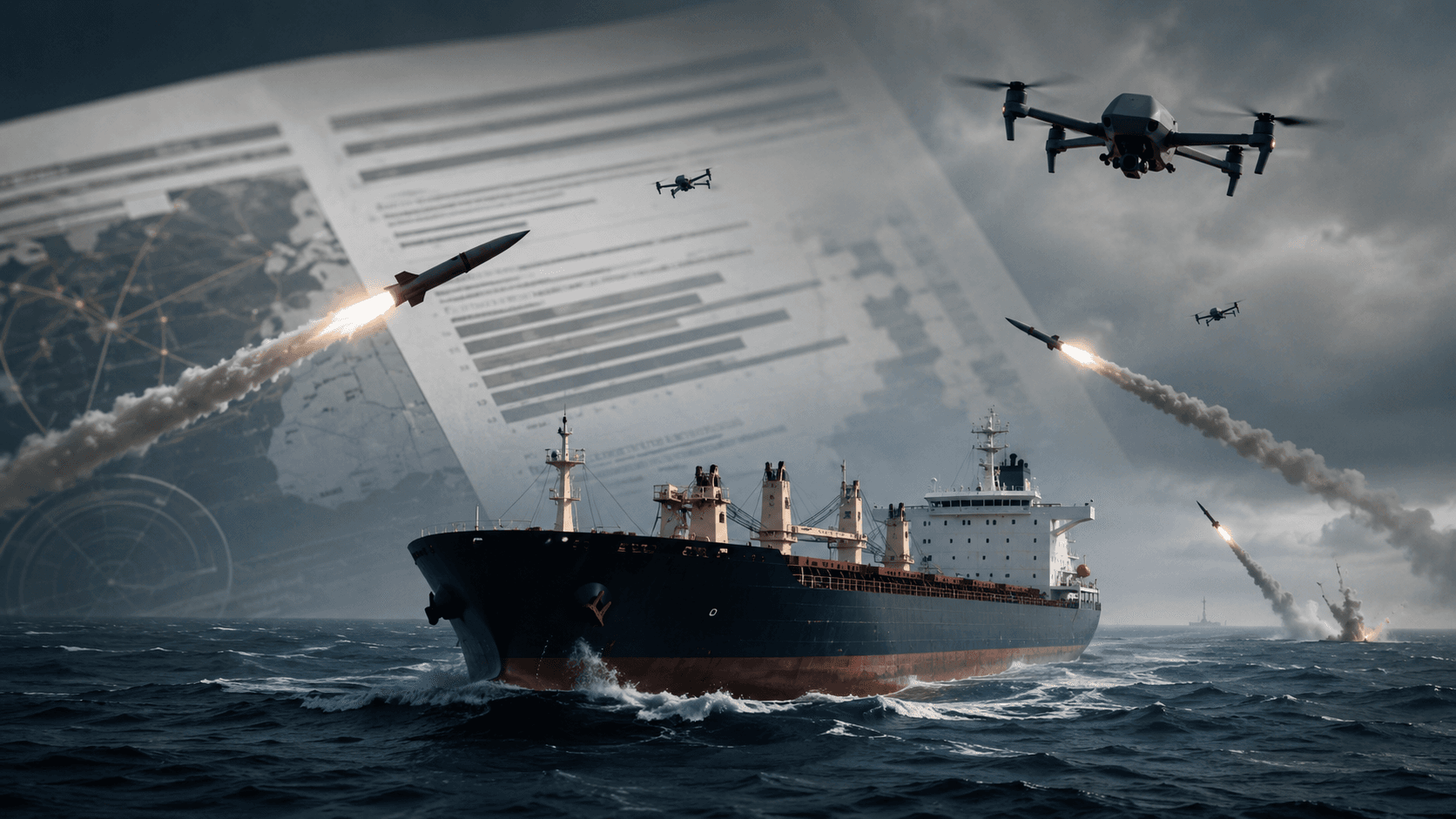
Middle East Shipping Operations Face Persistent Challenges Beyond Ceasefire
Global shipping through the Middle East faces persistent challenges, with a ceasefire alone unlikely to restore normal operations
Articles tagged with the Geopolitics topic across every transport mode.
Global shipping through the Middle East faces persistent challenges, with a ceasefire alone unlikely to restore normal operations
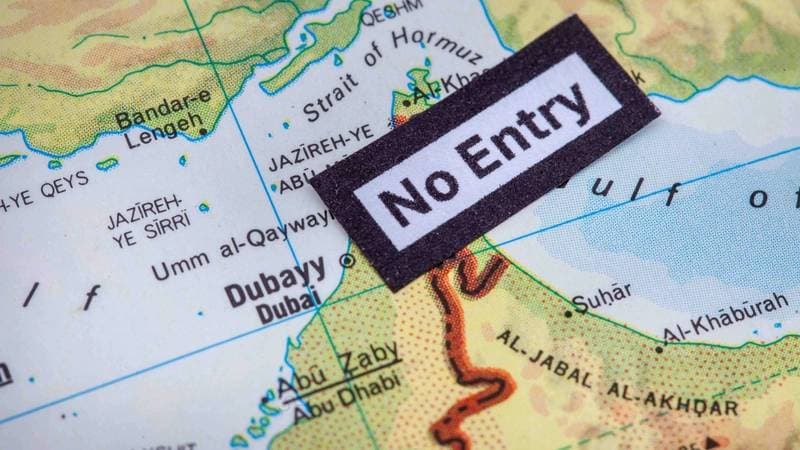
The Port of NEOM is becoming a key alternative for Gulf importers to circumvent the volatile Strait of Hormuz.
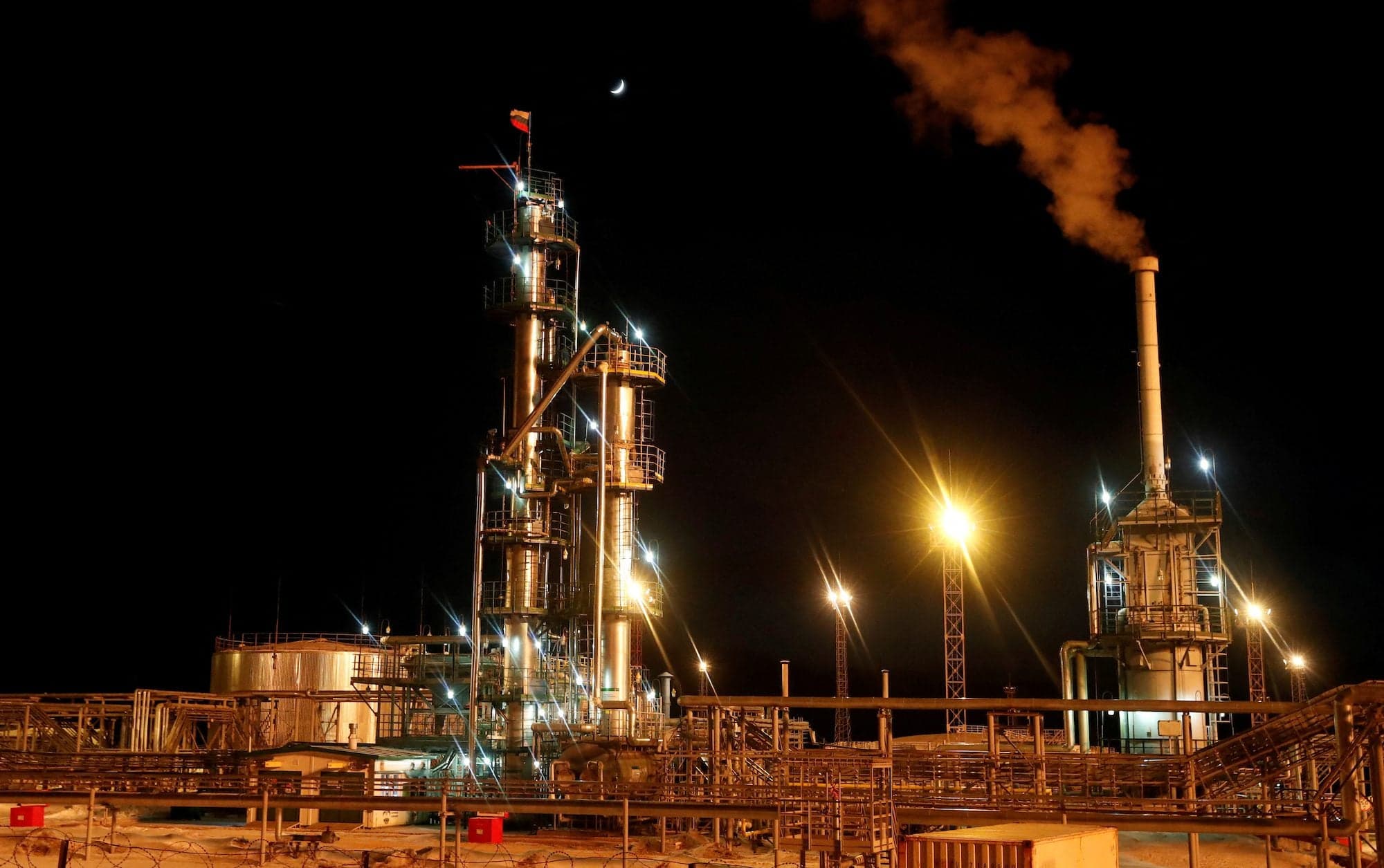
Russia's crude oil exports hit a post-2022 peak as drone attacks on refineries force more barrels onto the global market

European road freight corridors are seeing increased activity due to Middle East instability, shifting logistics routes.
Air cargo rates rose 36% year-on-year in May, driven by Middle East conflict disrupting global supply chains

An MSC container vessel was struck by two projectiles near Iraq's Umm Qasr port, raising maritime security concerns.
Capital Maritime's founder urges the scrapping of over 1,000 dark fleet ships due to environmental and economic concerns

Global demand and geopolitical tensions are causing price increases for copper and aluminum, impacting supply chains.
An MSC container ship was attacked in the Persian Gulf after departing an Iraqi port, with Iran's IRGC claiming responsibility.
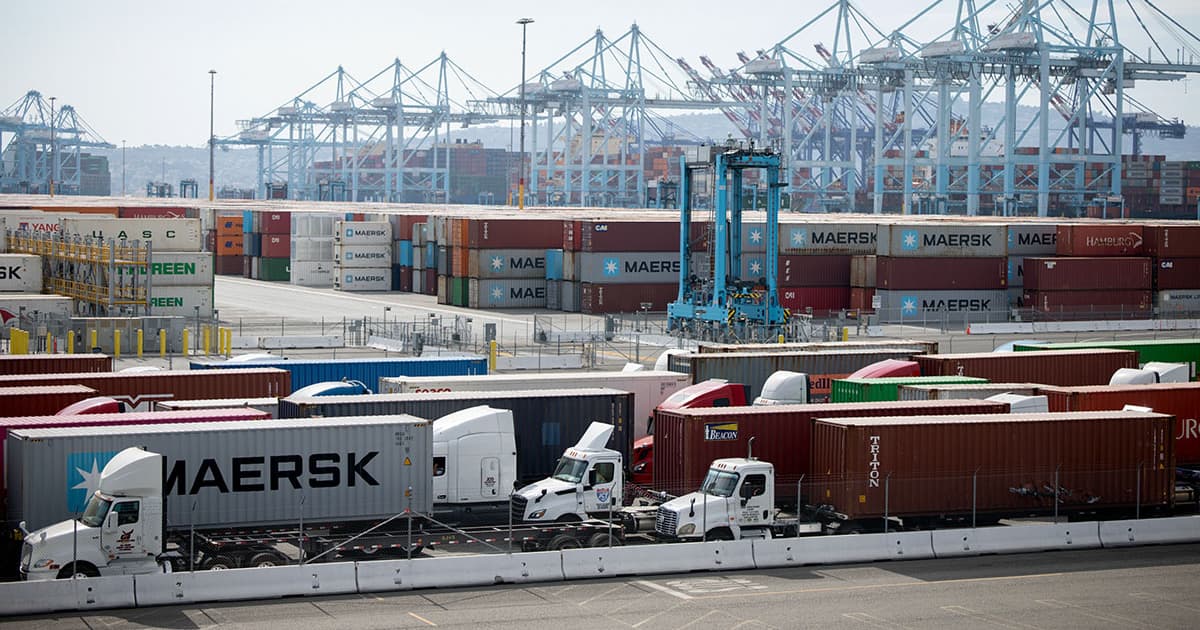
U.S. containerports are adapting to geopolitical shifts that are reshaping global supply chains and altering freight movement.

US regulators propose a 25% tariff on Brazilian goods, citing unfair trade practices and increasing uncertainty for forwarders
Oil exports via the Strait of Hormuz may not reach pre-war levels due to increased risk in the Persian Gulf.
India is finalizing a new policy for coal gasification-based urea manufacturing to boost self-reliance and save foreign exchange
North American refined product markets are tightening due to low inventories and accelerated exports amid Middle East supply disruptions
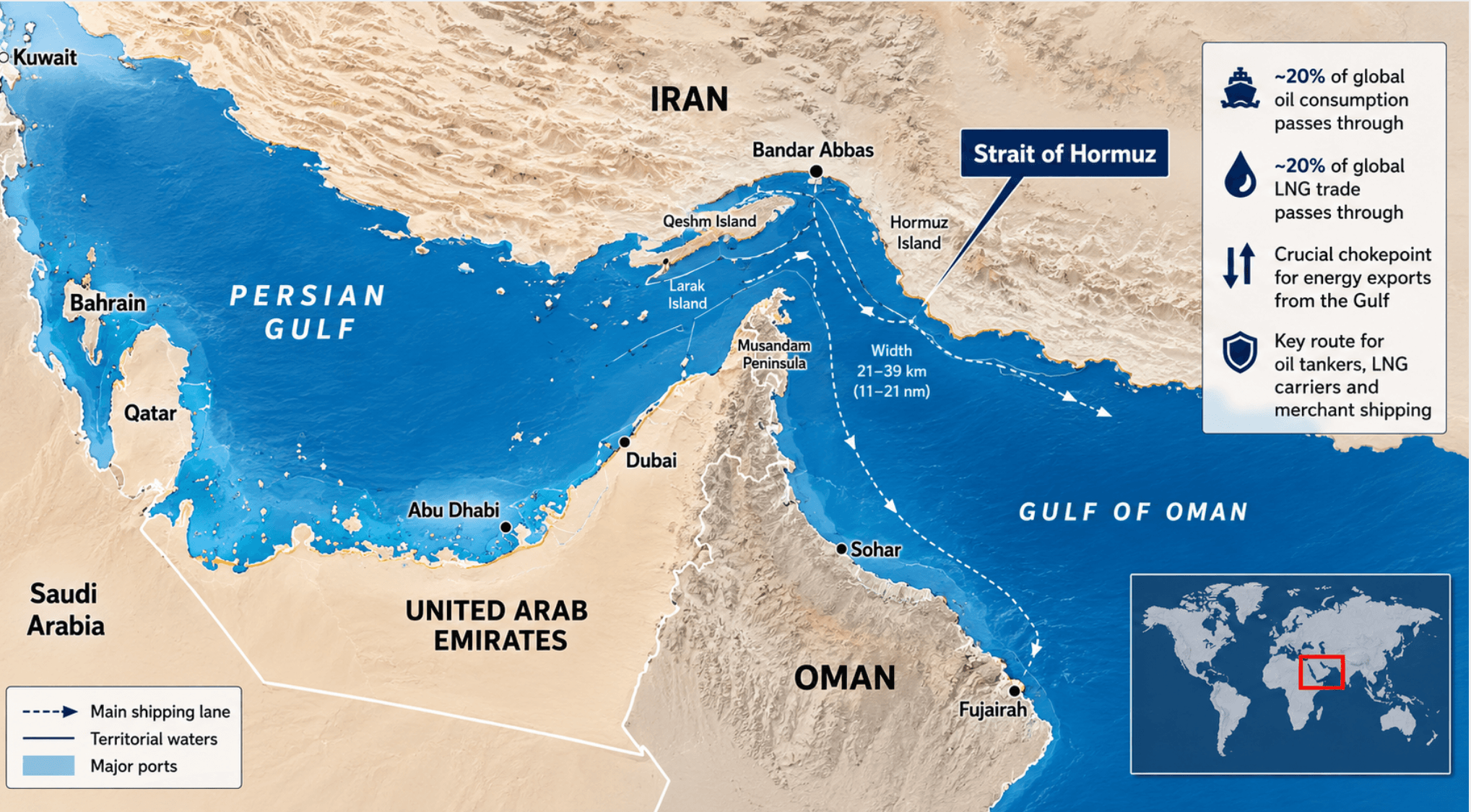
Dynacom Tankers has moved its fleet near the Strait of Hormuz in response to increasing security risks affecting Gulf shipping.
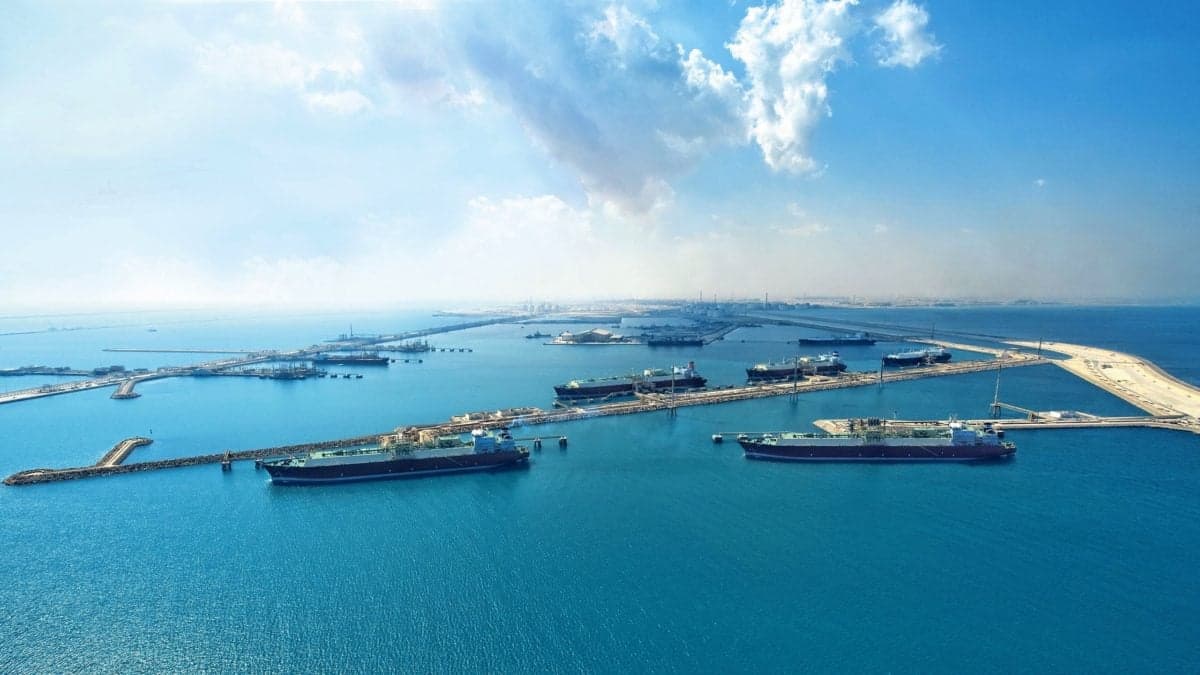
Tankers linked to Iran are increasingly disabling tracking systems, signaling a rise in covert LNG shipping due to geopolitical tensions.
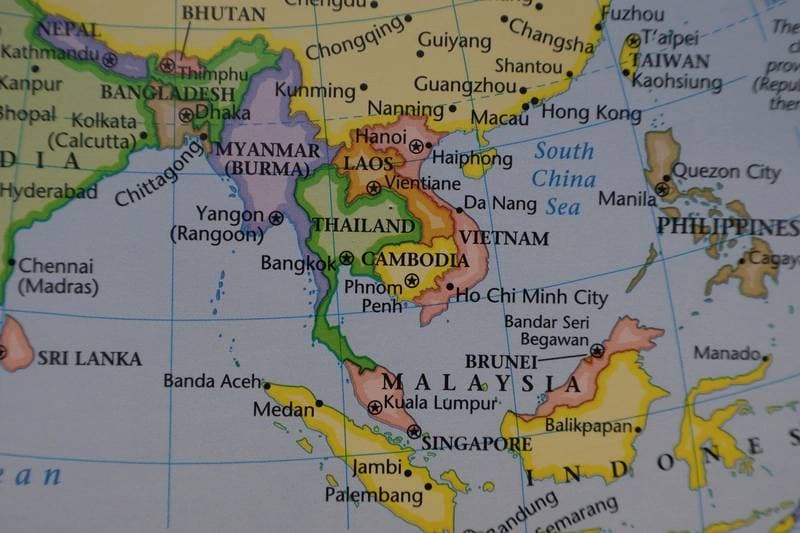
Cambodia has initiated a compulsory conciliation process through the UN to resolve its maritime boundary dispute with Thailand.
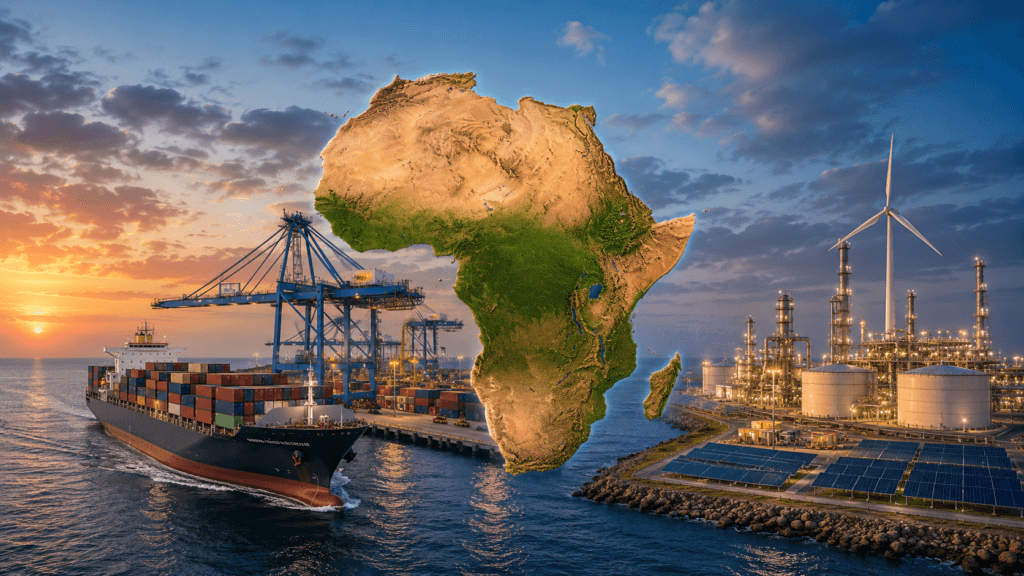
Africa's maritime sector sees increased investment and energy projects, but rising piracy threatens its growth and stability.
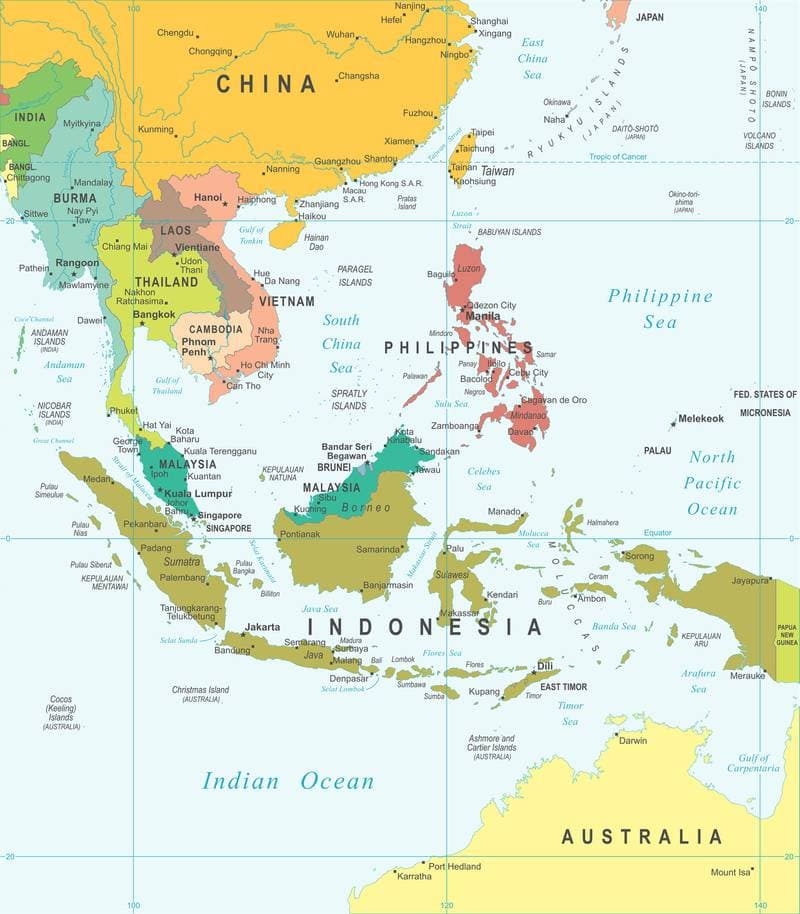
Chinese aircraft carrier drills were observed in the Pacific Ocean, east of the Philippines, by Japan's defense ministry

The IMO advises against repatriating thousands of seafarers from the Gulf due to persistent risks, despite a US-Iran ceasefire
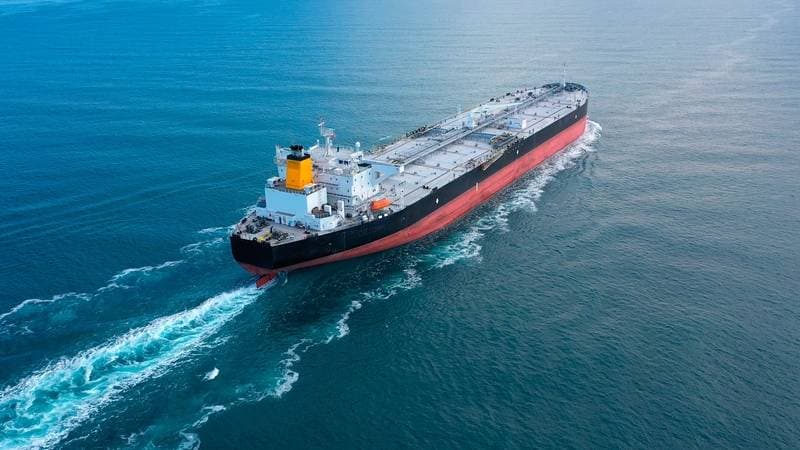
Venezuela's oil exports rose slightly to 1.25 million barrels per day in May, marking a third consecutive monthly increase
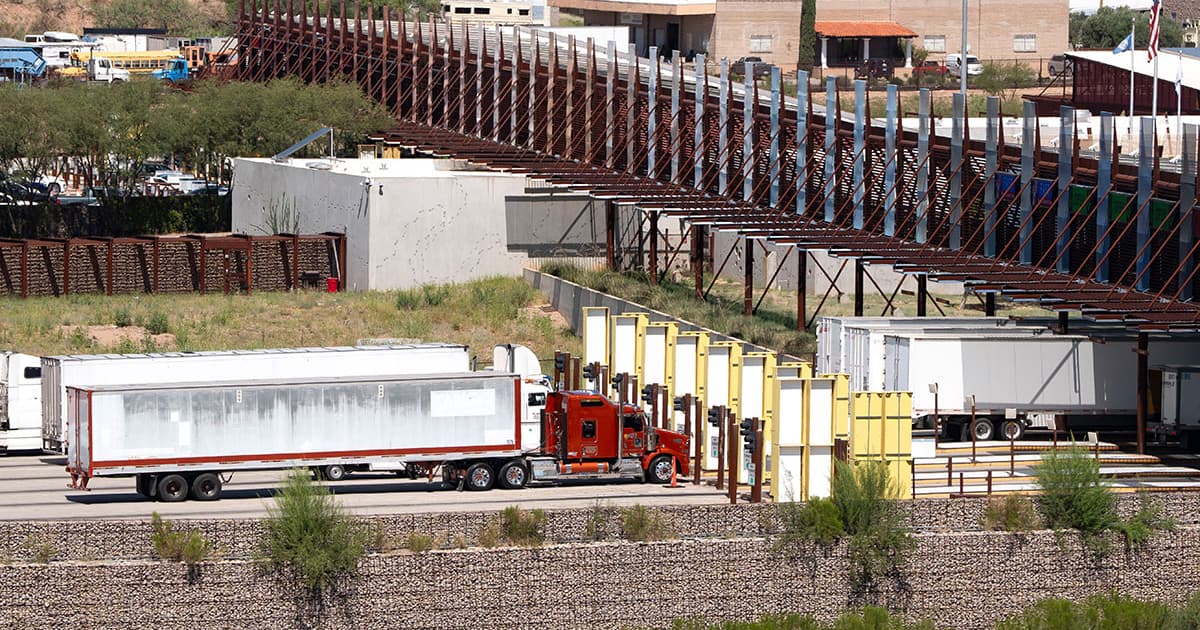
Nearshoring strategies are evolving supply chains despite the complications of tariffs and geopolitical risks.

Global shipping faces increasing cost volatility from schedule changes, port congestion, and fluctuating fuel prices, impacting financial…

A Panama-flagged MSC containership was reportedly damaged off Iraq, marking the third incident since late February.
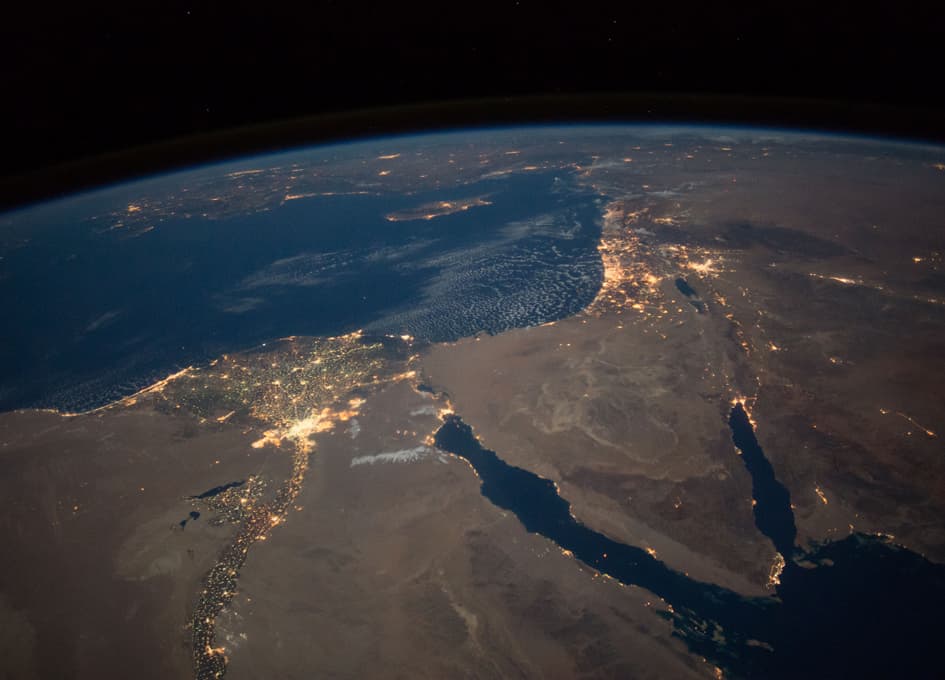
The Persian Gulf is shifting from its primary role as the sole mandatory artery for regional energy and cargo flows.
A cargo vessel was struck near Iraq's Umm Qasr, resulting in a large explosion and maritime security concerns.
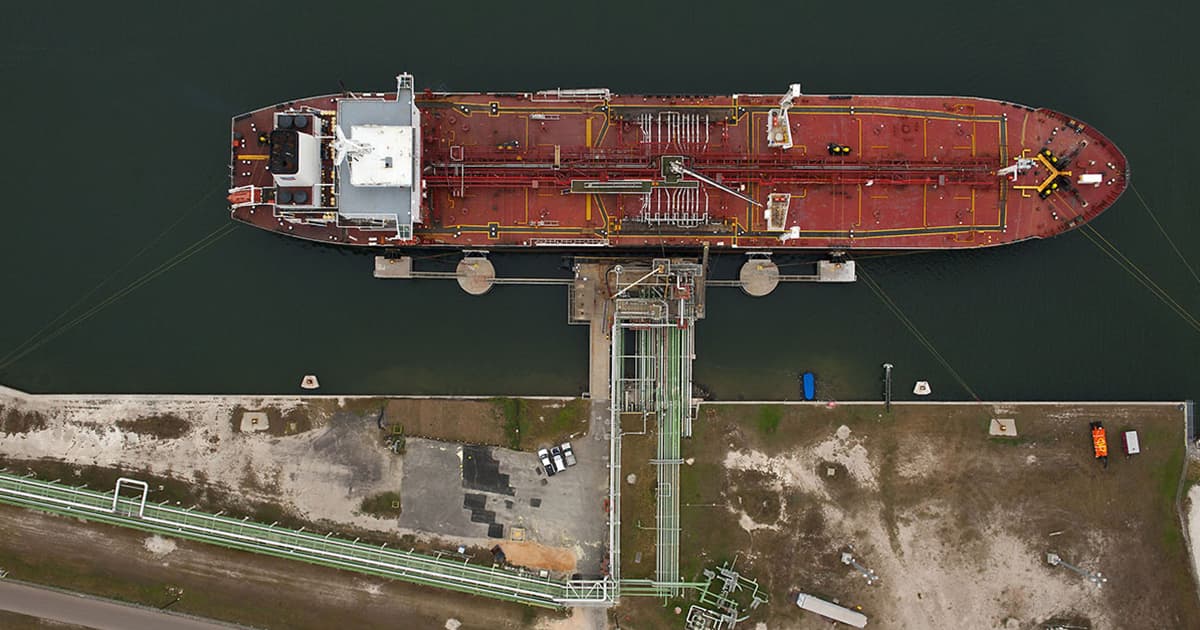
Oil companies are aggressively securing large tankers to guarantee crude oil transport, influenced by global conflicts and a buying spree
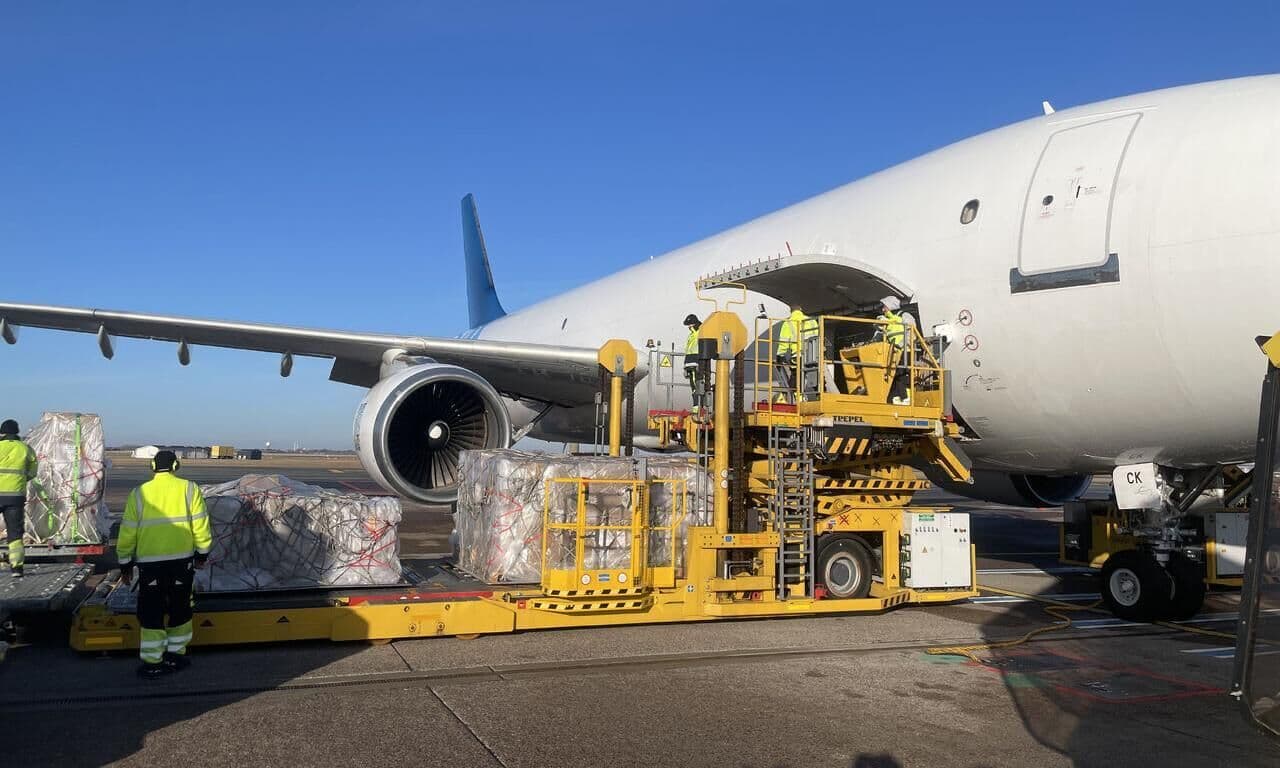
Air freight capacity in Asia is constrained by high semiconductor demand and operational issues, driving up rates
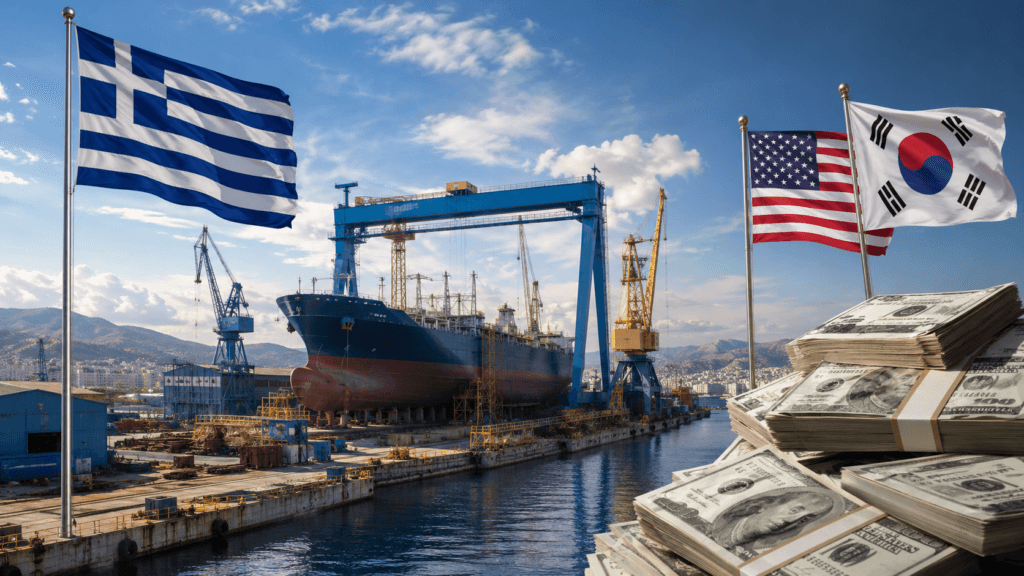
Greece is becoming a crucial Western maritime hub in the Eastern Mediterranean through strategic investments and shipyard revival.
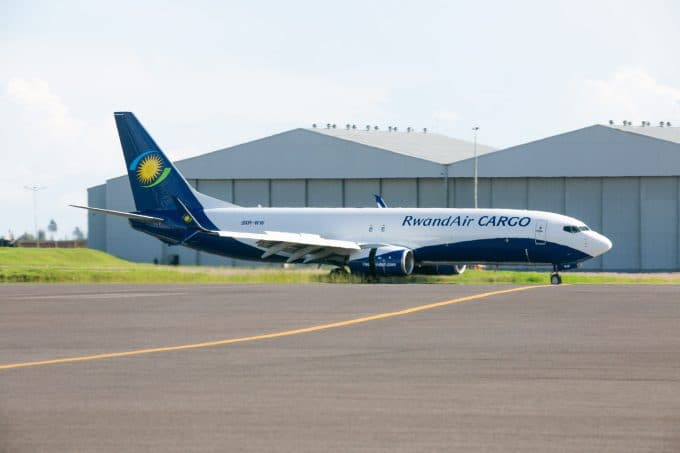
Middle East geopolitical instability is reshaping African cargo flows, with Kigali gaining prominence as an alternative routing point
Browse by mode or open the Intelligence Suite for cross-cutting briefs.