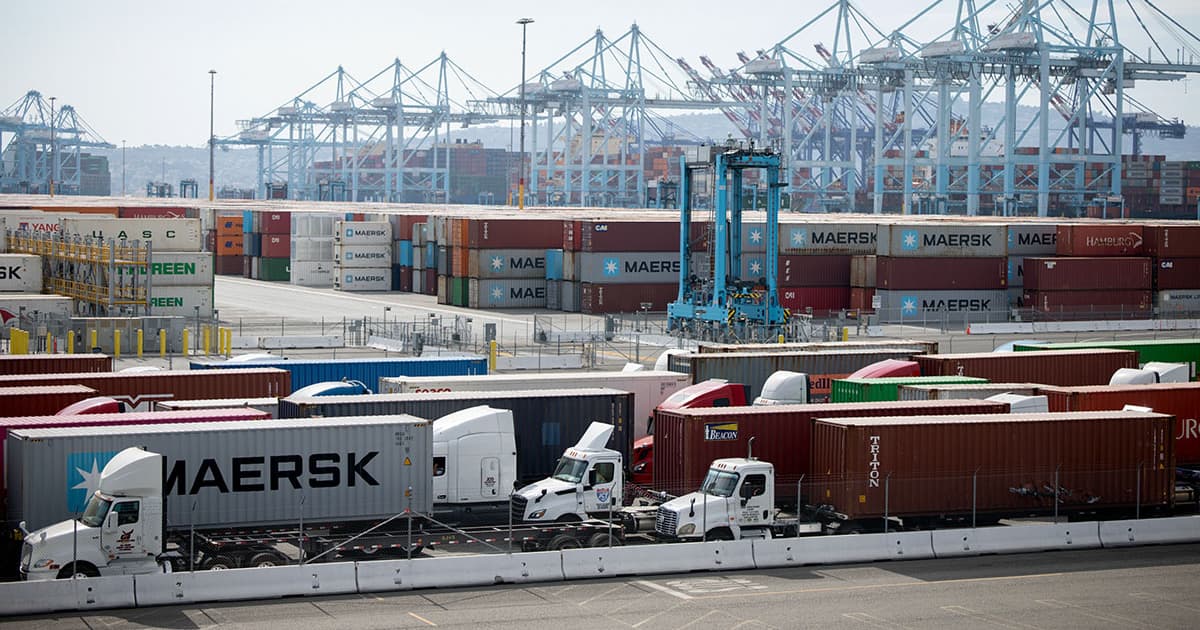
The largest container ports in the United States are currently navigating a period of considerable change within global supply chains. This transformation is largely a result of ongoing geopolitical volatility, which is compelling ports to rethink their operational strategies.
For freight forwarders and operations managers, this means potential alterations in established shipping routes, increased transit times, and possible shifts in port preferences by carriers. Forwarders should anticipate a need for greater flexibility in their planning and be prepared to adapt to evolving carrier networks and port capabilities. Monitoring geopolitical developments and their direct impact on trade lanes will be crucial for maintaining supply chain resilience.
Ports are expected to continue investing in infrastructure and technology to enhance their adaptability and manage these evolving demands effectively.