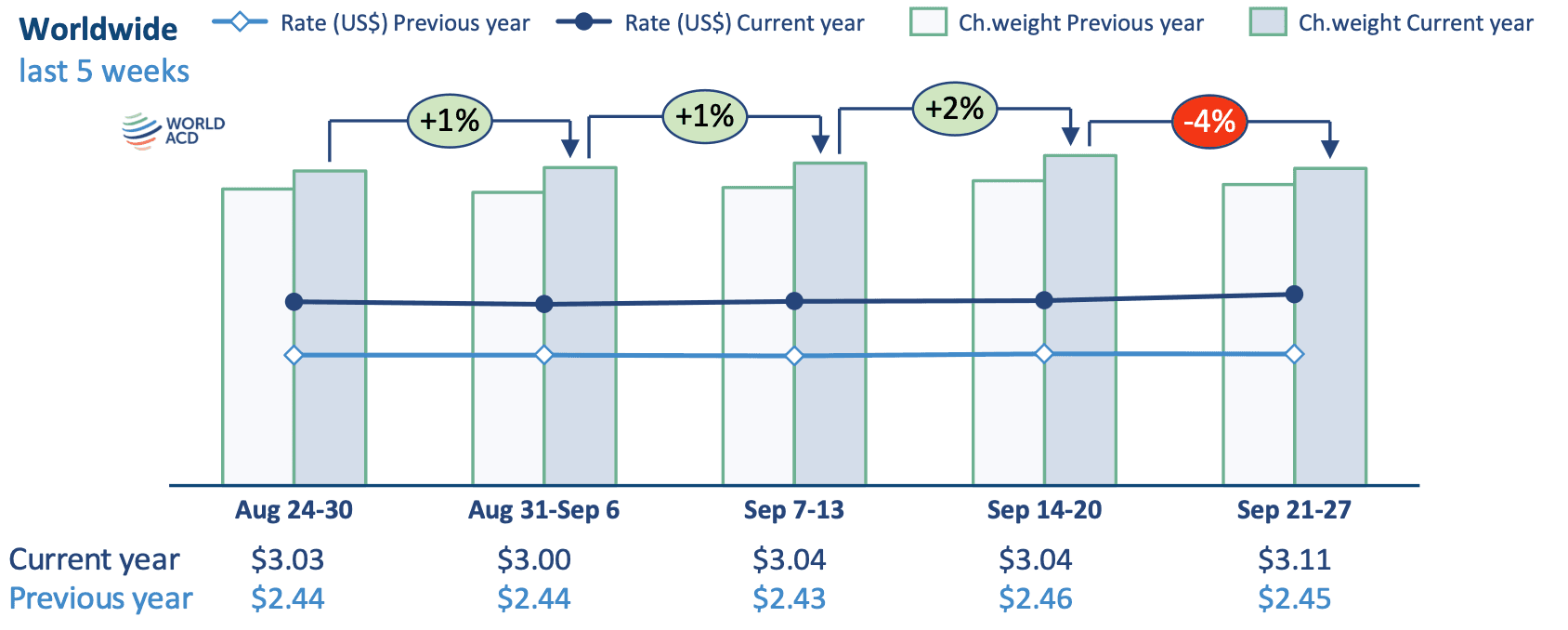
A recent report by EITD indicates that European road freight corridors are currently benefiting from the ongoing instability in the Middle East. This situation is leading to a notable increase in activity across these routes, suggesting a re-evaluation of supply chain strategies by logistics operators.
This development is likely a direct consequence of the Red Sea crisis and other regional tensions, which have disrupted traditional maritime shipping lanes, particularly those transiting the Suez Canal. Shippers and freight forwarders are seeking alternative, more reliable, and potentially faster routes to move goods between Asia and Europe, leading to a greater reliance on overland options.
For freight forwarders and operations managers, this trend implies increased demand and potentially higher rates for road freight services within Europe and for routes connecting Europe to other regions via land. It also highlights the need for robust contingency planning and diversified routing options to mitigate risks associated with geopolitical events. Capacity on key European road corridors may become tighter, requiring earlier booking and potentially impacting transit times for certain cargo types.
While the report does not specify future outlooks, the continued uncertainty in the Middle East suggests that this shift towards European road freight corridors could persist, influencing infrastructure investment and operational planning in the medium term.