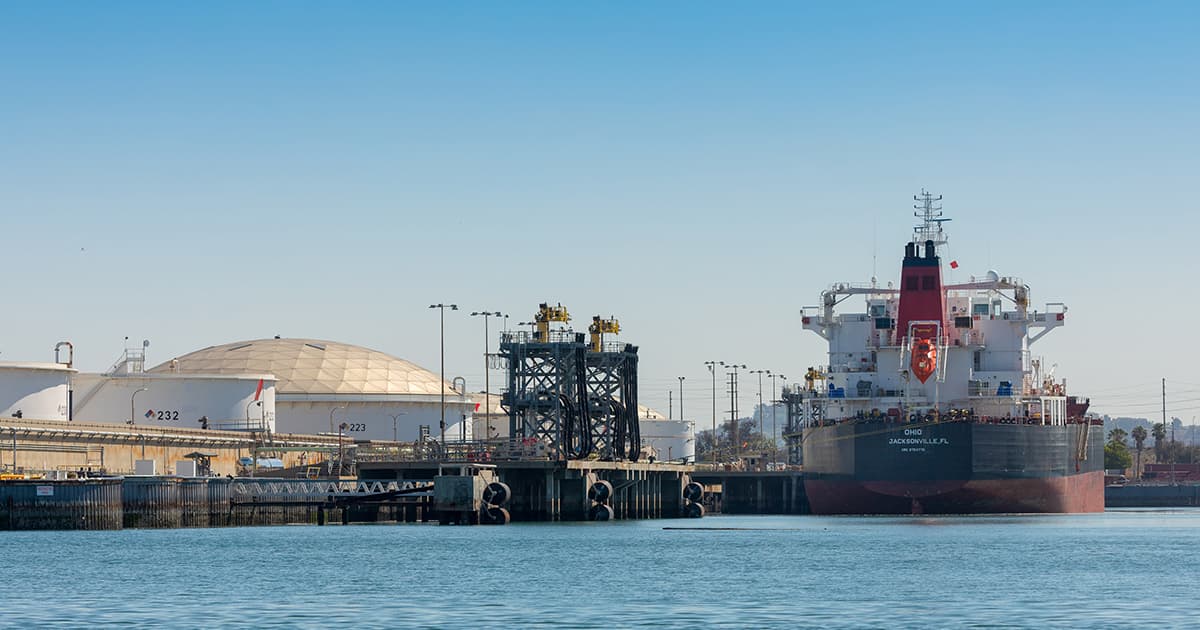
The recent narrowing of exemptions to the Jones Act has led to a reduction in the maritime transport of fuel and crude oil from the U.S. Gulf Coast to ports on the East and West Coasts. This legislative adjustment has directly impacted the domestic energy trade, which previously relied on these exemptions to move petroleum products and refining inputs across U.S. waters. The Jones Act, formally known as the Merchant Marine Act of 1920, mandates that all goods transported by water between U.S. ports must be carried on U.S.-built, U.S.-owned, U.S.-crewed, and U.S.-flagged vessels. Exemptions are sometimes granted, particularly in times of emergency or when no suitable U.S.-flagged vessel is available.
For freight forwarders and logistics professionals, this development means increased scrutiny and potential challenges for domestic energy cargo movements. The reduction in available compliant vessels or the stricter application of existing rules could lead to higher transportation costs and longer lead times for shippers moving fuel and crude oil between U.S. coasts. Forwarders may need to explore alternative, potentially more expensive, modes of transport or face delays if U.S.-flagged capacity is insufficient. This could also influence pricing for refined products in coastal markets, as the cost of transport rises.