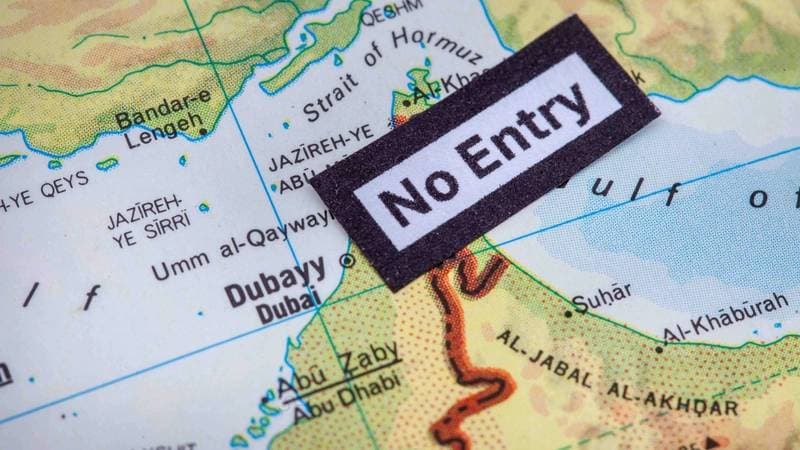
The Port of NEOM is increasingly being utilized as an alternative shipping gateway for importers in the Gulf region, especially those in Qatar. This development stems from heightened geopolitical tensions and operational disruptions impacting the Strait of Hormuz, a critical maritime chokepoint. The conflict has prompted businesses, such as Qatar-based Salam Studio & Stores, to explore new logistical pathways after experiencing significant delays in receiving goods like Red Bull shipments.
For freight forwarders and operations managers, the emergence of the Port of NEOM presents a strategic opportunity to diversify routing options and mitigate risks associated with the Strait of Hormuz. This alternative could offer greater supply chain resilience, potentially stabilizing transit times and reducing exposure to war risk premiums. Forwarders should assess the feasibility and cost-effectiveness of integrating NEOM into their routing strategies for cargo destined for or originating from the Gulf, considering its potential to alleviate congestion and provide a more secure passage.
This shift highlights a broader trend of supply chain re-evaluation in response to geopolitical instability. As the Port of NEOM develops its capacity and connectivity, it could become a more established hub for regional trade, influencing carrier service offerings and potentially leading to new direct services or feeder connections. Forwarders should monitor these developments to leverage new efficiencies and ensure robust contingency plans for their clients.