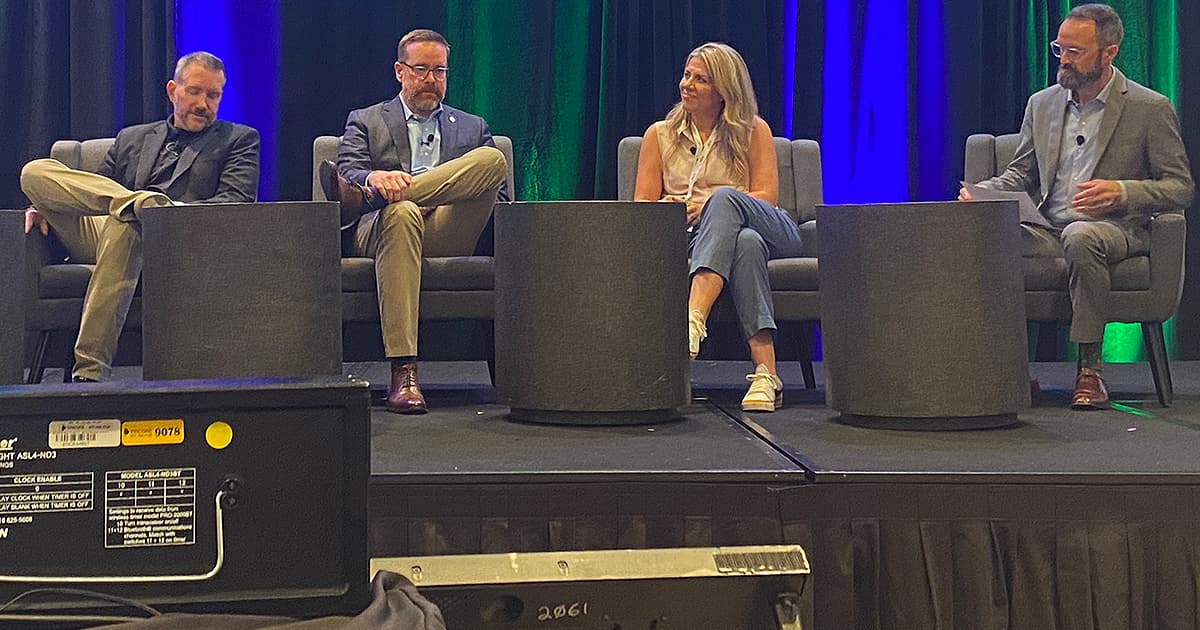
At the recent NMFTA Cybersecurity Conference, industry experts underscored the growing complexity of cargo theft operations and the indispensable contribution of human elements in robust cybersecurity strategies. The consensus was that while technological solutions are important, they are not sufficient on their own to combat increasingly advanced criminal tactics.
This perspective highlights a shift towards recognizing that frontline workers, including truck drivers, warehouse staff, and logistics coordinators, are often the first line of defense. Their awareness, training, and ability to recognize anomalies or suspicious activities are paramount in preventing theft and cyber-attacks that can compromise cargo security and supply chain integrity.
For freight forwarders and operations managers, this means a renewed focus on comprehensive cybersecurity training programs that extend beyond IT departments to all personnel involved in the movement and handling of goods. Investing in human intelligence and vigilance can significantly reduce vulnerabilities to cargo theft and cyber intrusions, which can lead to financial losses, reputational damage, and disruptions to client shipments. It also implies a need for forwarders to assess their partners' and carriers' cybersecurity protocols, ensuring a holistic approach to risk management across the supply chain.
The discussions at the conference suggest a future where the integration of human expertise with advanced technology will be key to maintaining secure and resilient logistics operations.