Nearshoring, the practice of relocating production closer to end markets, has continued to advance within global supply chains throughout the current year. This trend persists despite the increasing complexities introduced by new tariffs and a volatile geopolitical landscape. Businesses are increasingly prioritizing supply chain resilience and geographical proximity, often at the expense of lower production costs, to better navigate these external pressures.
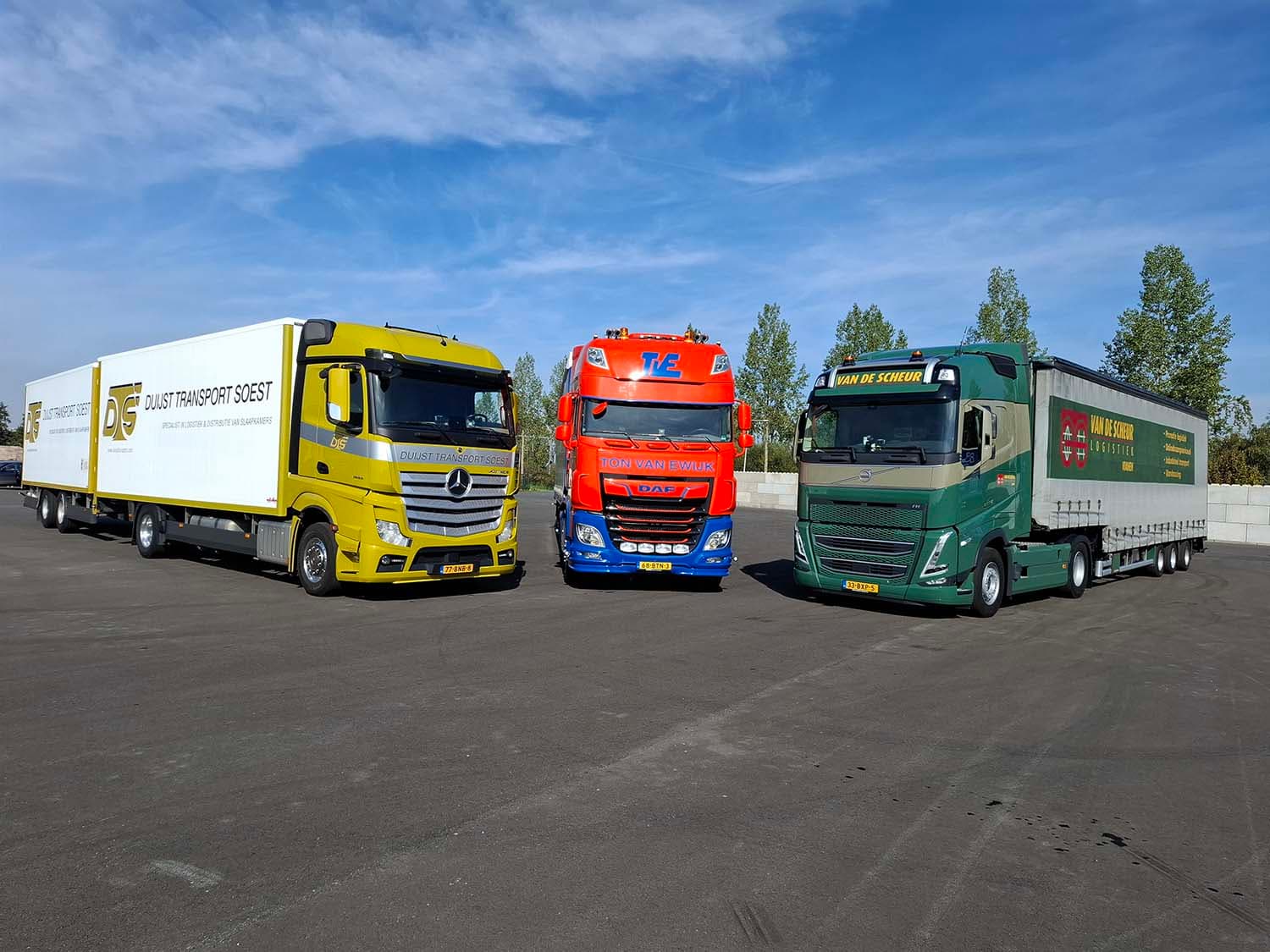
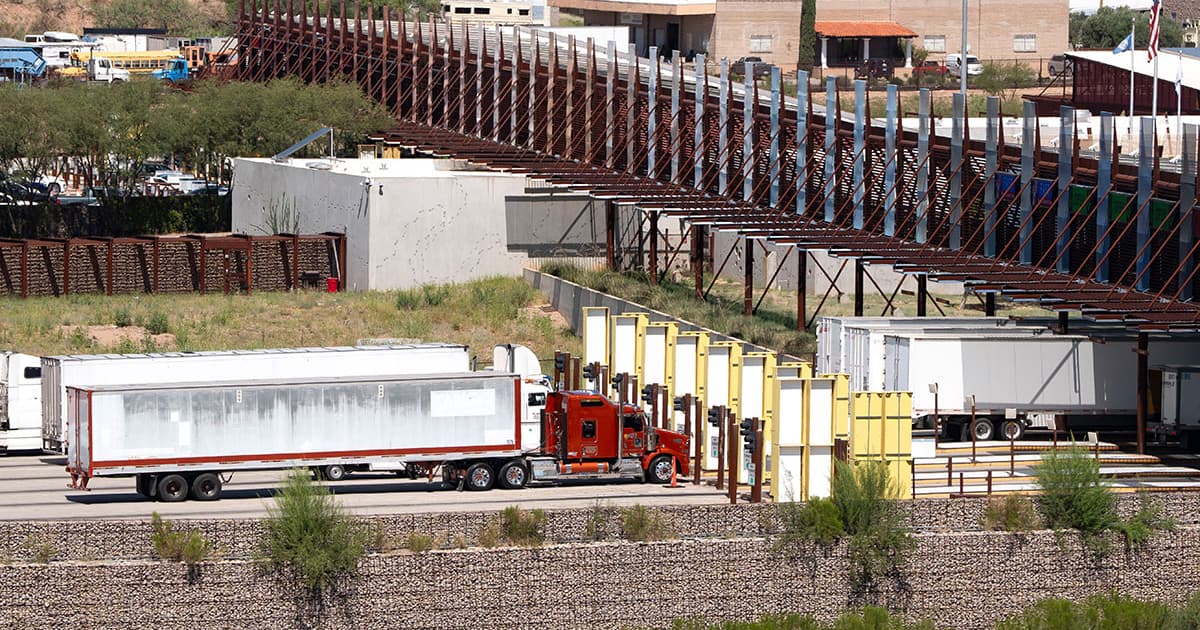
For freight forwarders and operations managers, this sustained focus on nearshoring implies a shift in traditional trade lanes and an increased demand for regional logistics services. While long-haul international routes may see some adjustments, there will likely be a greater need for efficient cross-border road and rail transport, particularly in regions like North America (US-Mexico) and within Europe. Forwarders should anticipate evolving freight patterns and potential opportunities in managing more localized, yet still complex, supply networks. The emphasis on resilience may also lead to higher inventory levels in certain regions, impacting warehousing and distribution requirements.