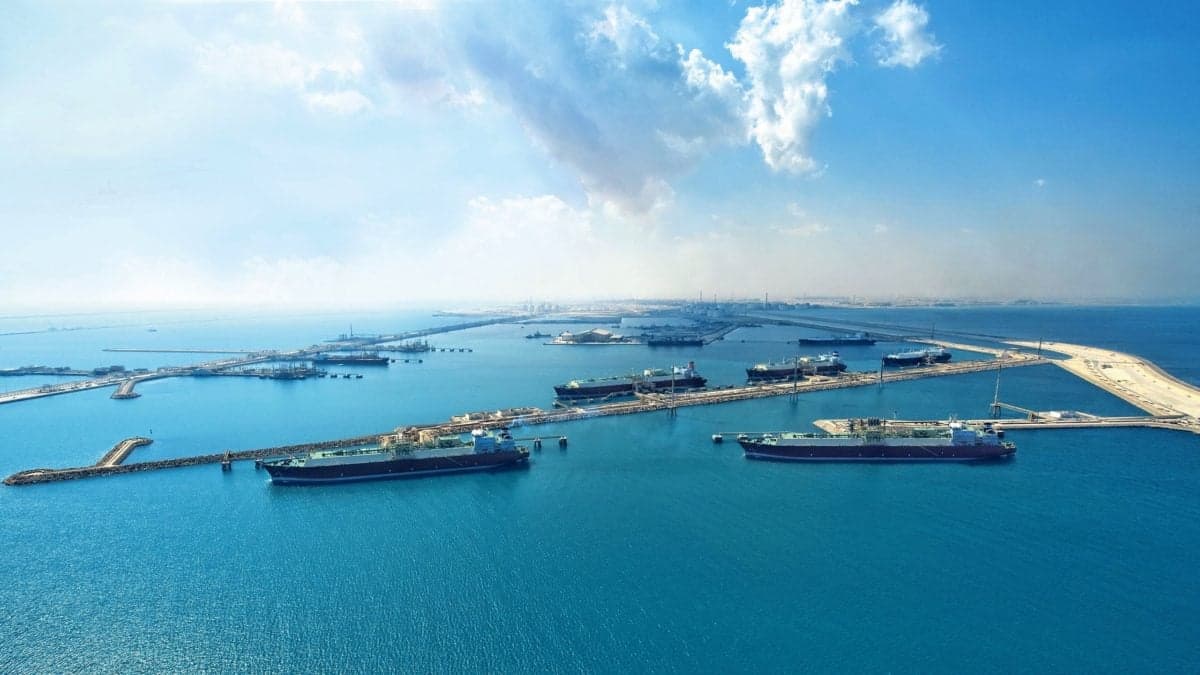
Tankers suspected of connections to Iran are frequently deactivating their Automatic Identification System (AIS) transponders, a practice known as "dark activity." This behavior is becoming more common among vessels carrying liquefied natural gas (LNG) as they navigate sensitive regions like the Persian Gulf and the Strait of Hormuz. The increase in such clandestine operations is largely attributed to the complex geopolitical landscape, including international sanctions against Iran, which compel entities to obscure their trade activities.
For freight forwarders and operations managers, this development introduces significant challenges. The lack of transparent vessel tracking complicates route planning, increases risks associated with unknown vessel movements, and makes compliance with sanctions regimes more difficult. It can also lead to higher insurance premiums for legitimate cargo moving through these regions, as the overall risk perception rises. Furthermore, the opacity in the LNG trade makes it harder to assess true market supply and demand, potentially impacting pricing and availability for shippers.
This trend is expected to continue as long as geopolitical tensions persist and sanctions remain in place, pushing more of the gas trade into less regulated channels.