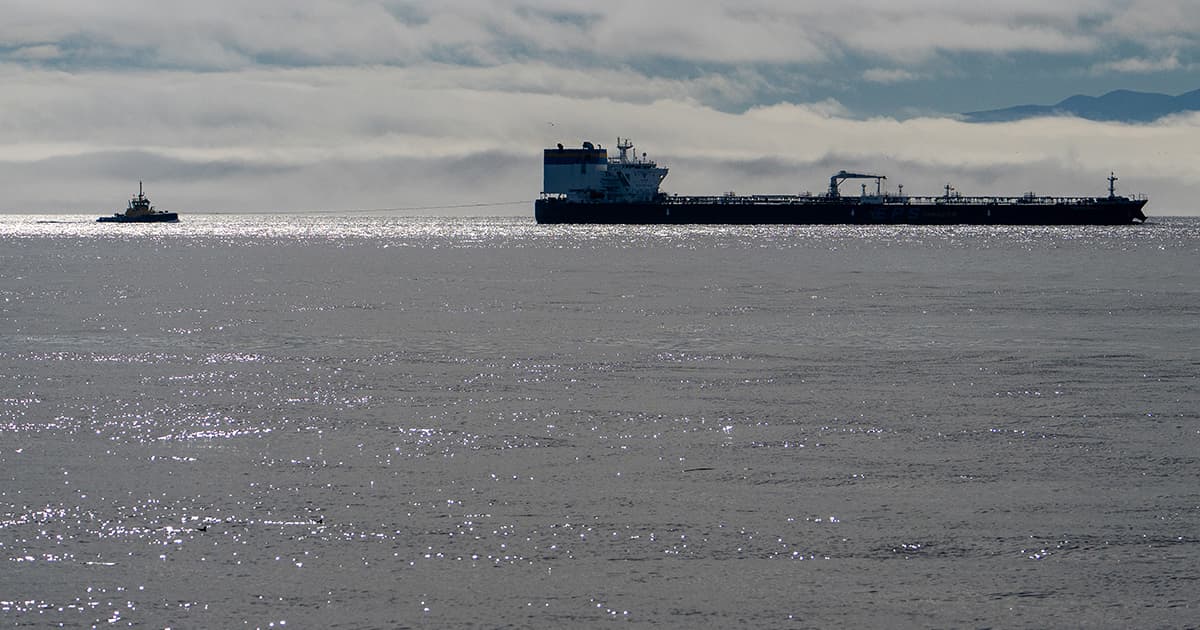
The expense of chartering a Very Large Crude Carrier (VLCC) to transport crude oil from the United States to destinations in Asia has reached an unprecedented $77 million. This figure represents an almost nine-fold increase compared to the average cost of $9.2 million observed throughout 2025. The primary driver for this escalation is the ongoing geopolitical instability and operational challenges within the Strait of Hormuz, a critical chokepoint for global oil trade.
For freight forwarders and operations managers, this dramatic increase in tanker rates translates directly into higher transportation costs for crude oil and related products. Shippers of oil and gas will face elevated freight expenditures, potentially impacting commodity prices and supply chain budgets. The instability in the Strait of Hormuz necessitates careful route planning and risk assessment, as transit through the region becomes more expensive and potentially more hazardous. Forwarders must account for increased war risk premiums and potential delays when quoting and managing shipments, which could lead to longer lead times and reduced schedule reliability.
While the article does not specify immediate future outlooks, continued geopolitical tensions in the Middle East suggest that these elevated shipping costs and associated risks may persist. Shippers and forwarders should monitor the situation closely and consider alternative sourcing or routing strategies where feasible, although options for crude oil transport are often limited by vessel type and infrastructure.