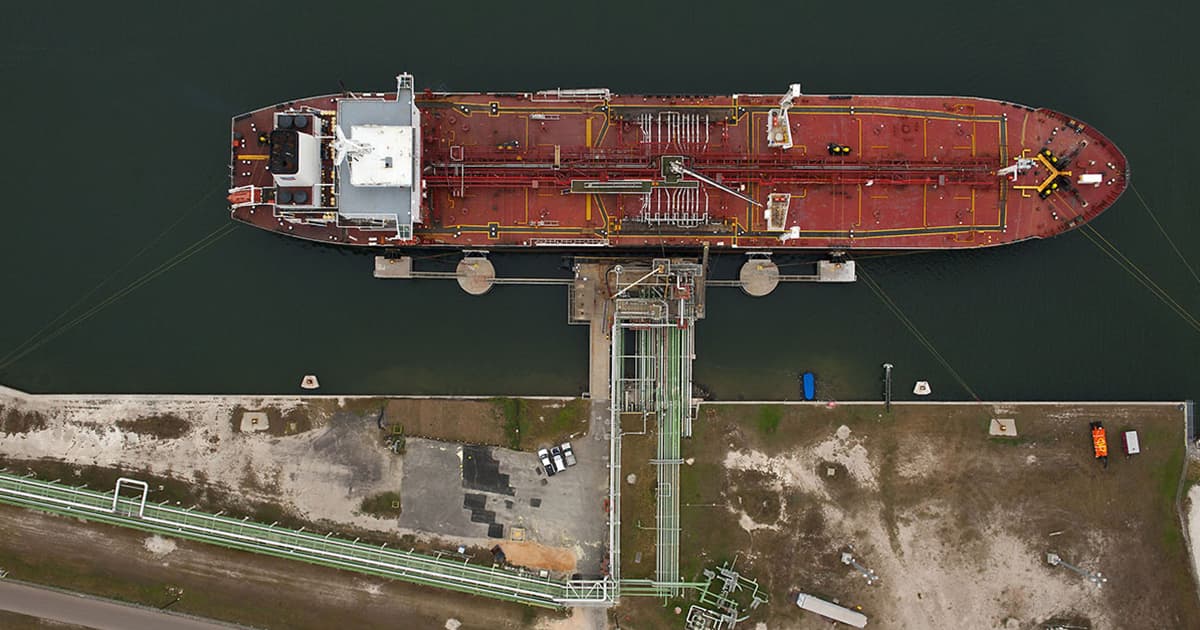
Oil companies are currently engaged in a rapid acquisition of large crude oil tankers. This strategic move is aimed at securing sufficient transportation capacity in a market significantly impacted by recent geopolitical conflicts and an unprecedented surge in vessel purchases over the past generation. The CEO of DHT Holdings highlighted this trend, indicating a scramble for assets.
This development follows a period of instability in global energy markets, where disruptions have underscored the importance of reliable logistics. The war in Ukraine, for instance, has reshaped trade routes and increased the need for flexible shipping solutions, prompting oil majors to take direct control over their transport needs rather than relying solely on the spot market or long-term charters.
For freight forwarders and operations managers, this trend signifies a tightening market for tanker availability and potentially higher charter rates for crude oil transport. While directly impacting the wet bulk sector, a strong tanker market can indirectly influence other shipping segments by diverting investment or operational focus. Shippers might face increased costs and reduced flexibility in securing vessel space, necessitating earlier booking and more strategic planning for their crude oil movements. The long-term implications could include a more consolidated tanker fleet under the direct control of oil companies, potentially altering the competitive landscape for independent tanker operators.