17d ago·Hellenic Shipping NewsHIGH
Government Approves High-Priced LNG Import Cargo Amidst Middle East Conflict
A government committee approved an LNG cargo import at nearly $30 per MMBtu, triple pre-conflict prices.
Articles tagged with the Geopolitics topic across every transport mode.
A government committee approved an LNG cargo import at nearly $30 per MMBtu, triple pre-conflict prices.
Beijing has reaffirmed Hong Kong's status as a leading international financial, trade, and shipping hub.
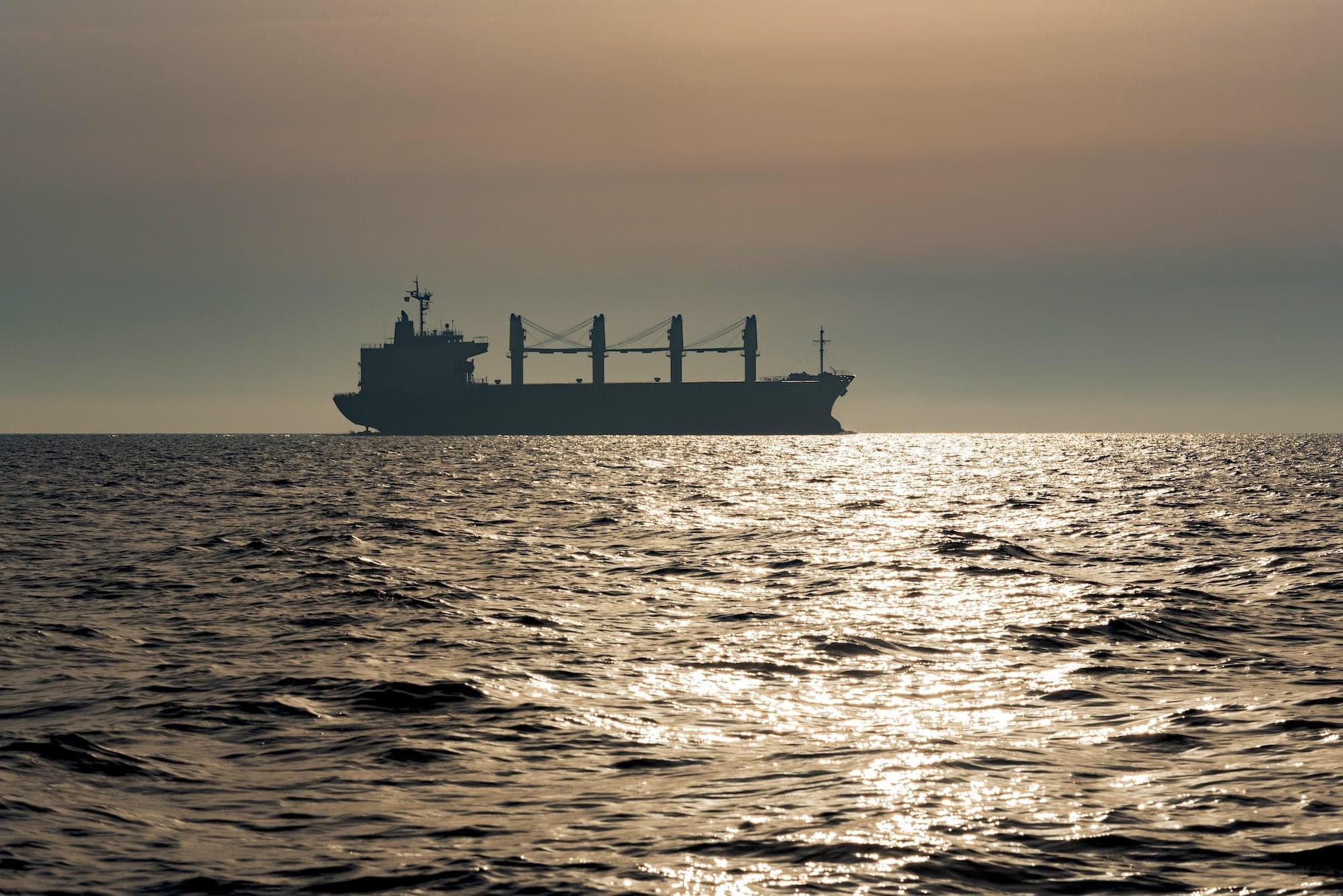
A false intelligence report, partly generated by AI, nearly caused the U.S. military to intercept a Chinese ship.
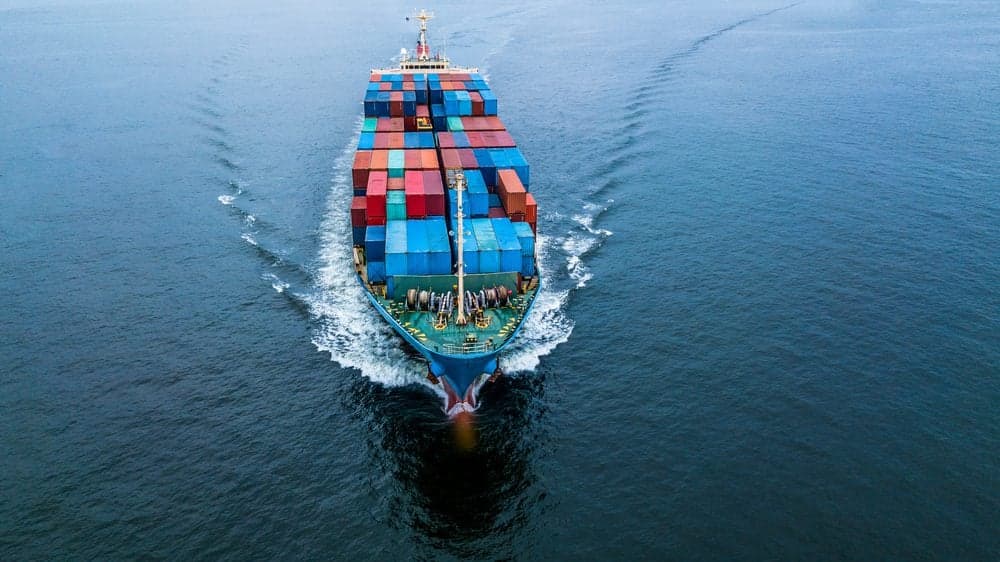
Ocean carriers and tanker operators are seeing higher profits despite a global trade slowdown and increased operational costs
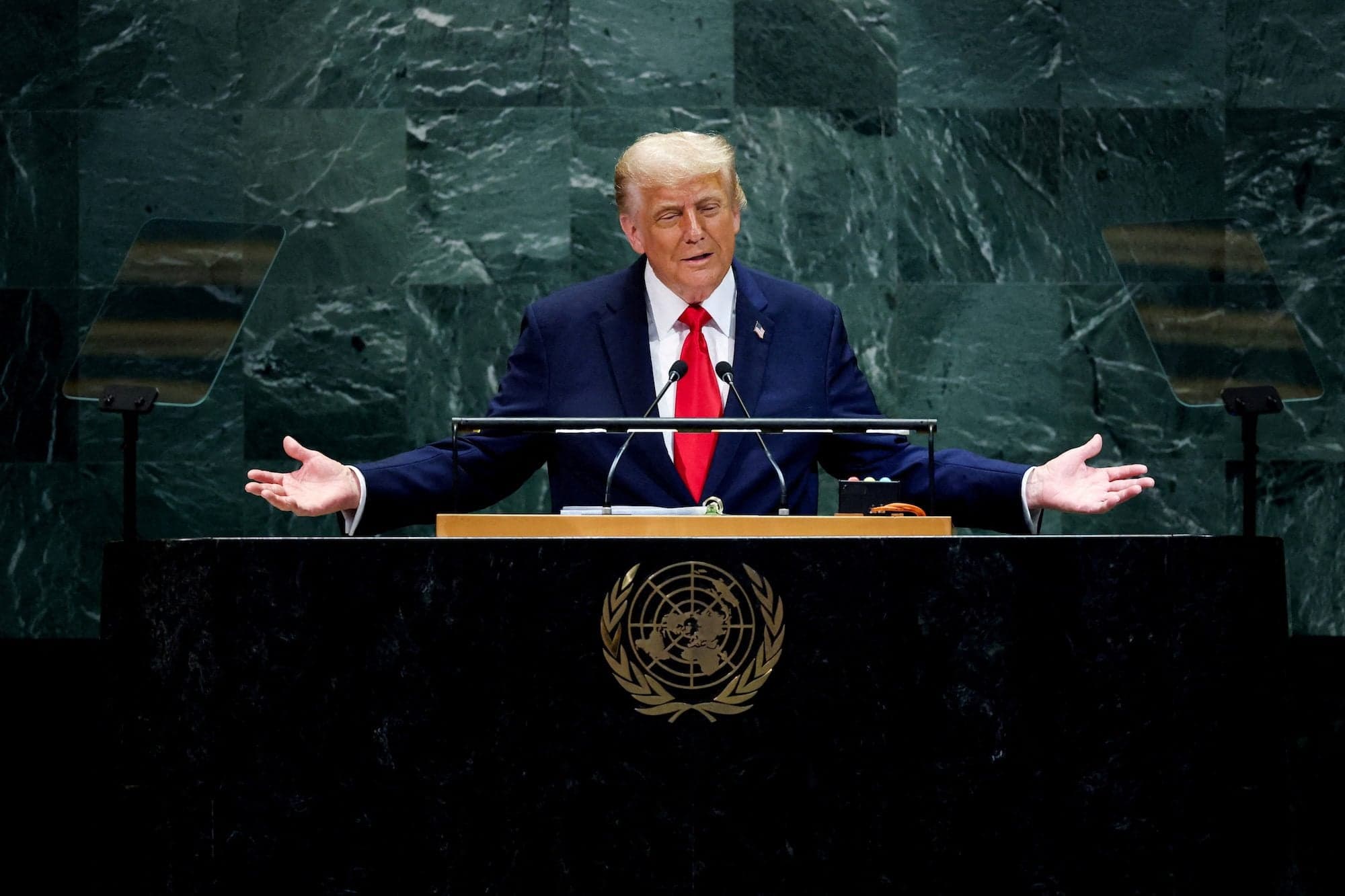
Escalating Middle East tensions could severely disrupt global shipping lanes and increase operational risks.
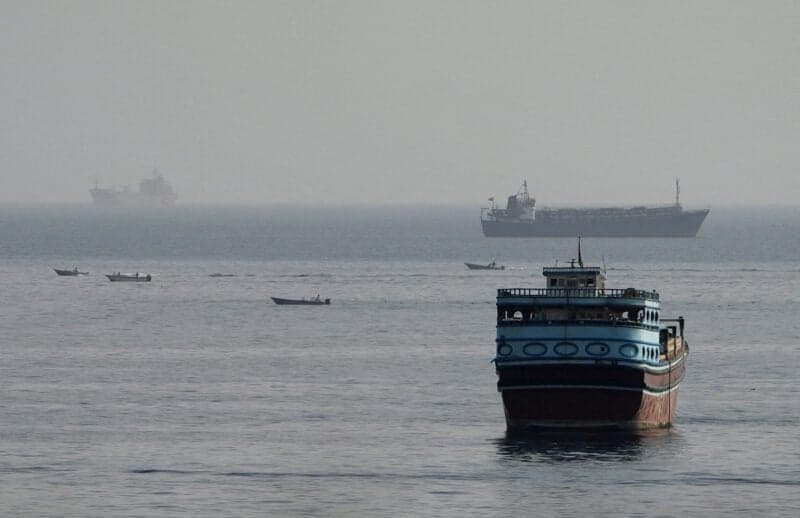
Three commercial tankers were attacked in the Strait of Hormuz as Saudi Arabia increases oil shipments through the area.
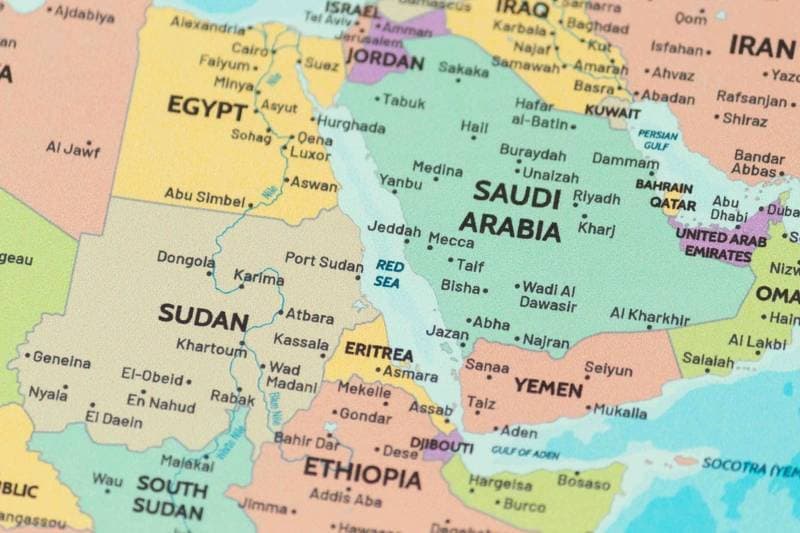
Italy's defense minister advocates for a stronger naval presence in the Red Sea to protect merchant shipping from Houthi threats
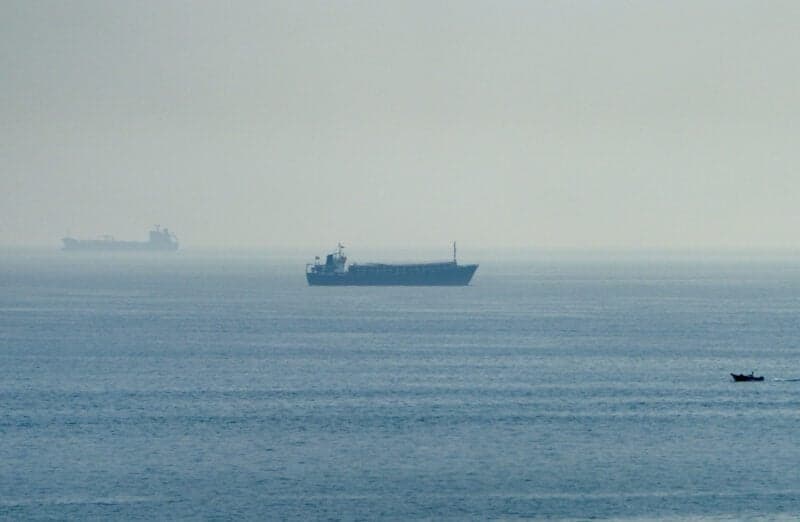
The US Treasury sanctioned an Iranian crypto exchange, alleging its use for payments from ships transiting the Strait of Hormuz.
Geopolitical instability and climate-related disruptions are forcing forwarders to prioritize resilience over cost or transit time
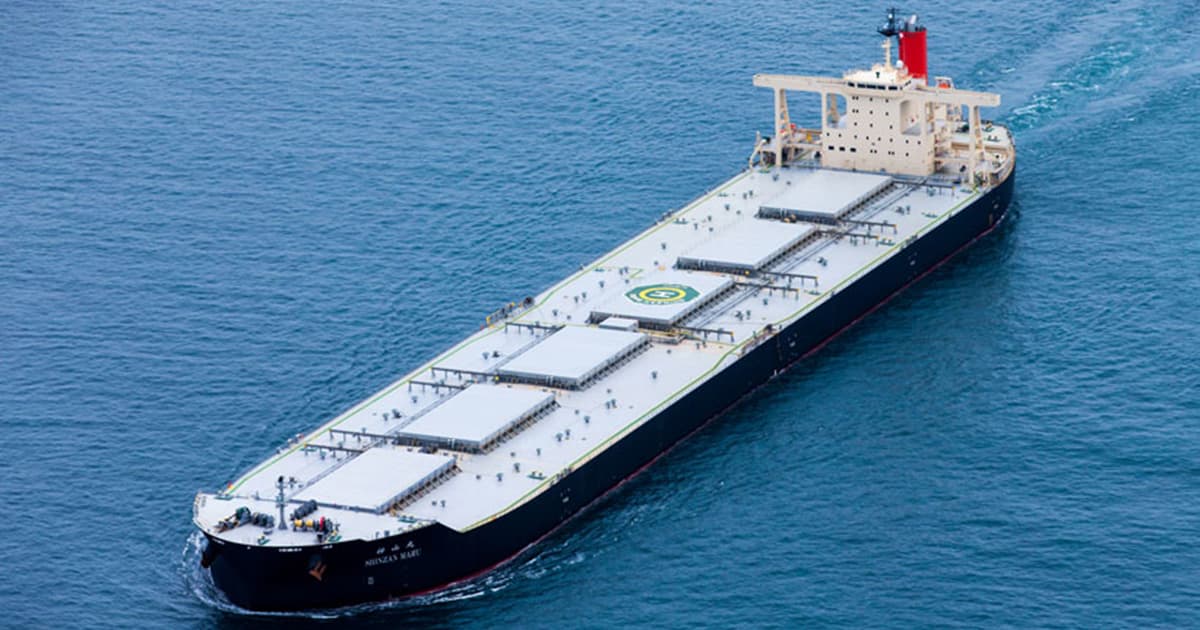
Mitsui O.S.K. Lines is reportedly selling older oil tankers due to surging vessel prices, influenced by global conflicts.

ICS Secretary General urged the UN Security Council to protect global shipping from disruptions in the Strait of Hormuz.
Middle East tensions persist, pushing Brent crude above $105/bbl after a tanker attack off Oman, impacting shipping costs
Soybean futures are trading near three-year highs, fueled by strong Chinese demand and expectations of increased purchases.
The EU reaffirms its commitment to sanctions against Russia, targeting military and financial entities despite rising energy prices
Asian refiners are prioritizing Omani crude due to Strait of Hormuz shipping risks, enhancing supply security
Moderating oil prices have reduced the US dollar's momentum, with energy markets anticipating clarity from US-Gulf State talks
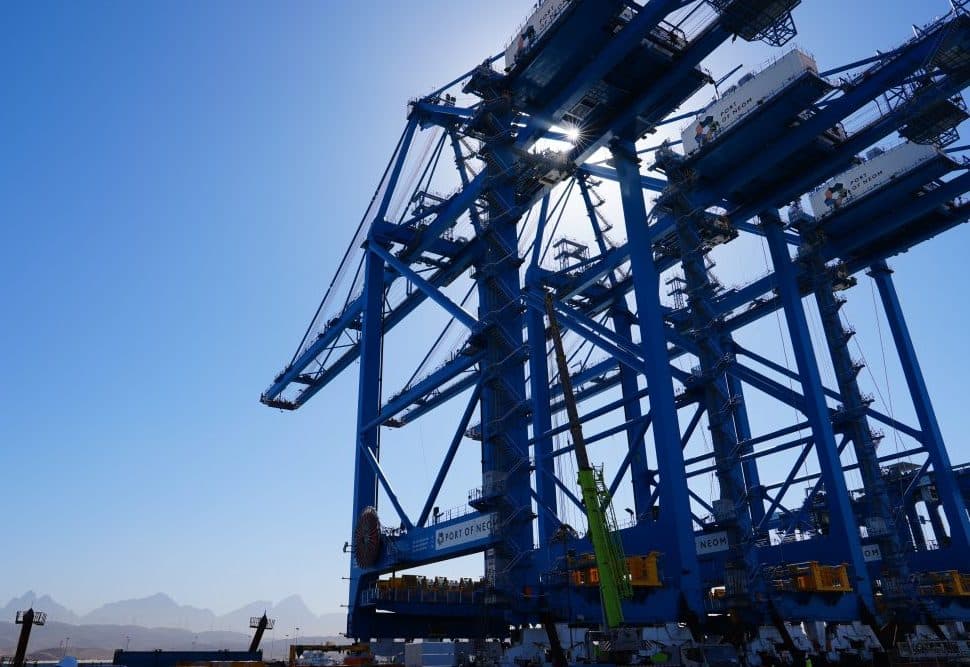
NEOM Port confirms its Terminal 1 container facility will open this year, aiming to capture cargo diverted from the Strait of Hormuz
NEOM Port's Terminal 1 container facility is expected to open this year, potentially offering an alternative for Red Sea cargo
US maritime revival efforts face challenges without stronger cargo demand, despite new legislative initiatives.
An analysis of how Iranian attacks on commercial shipping in the Strait of Hormuz have evolved during the conflict.
A second seafarer from the Hercules Star bunker tanker has been confirmed dead after an attack off the UAE coast
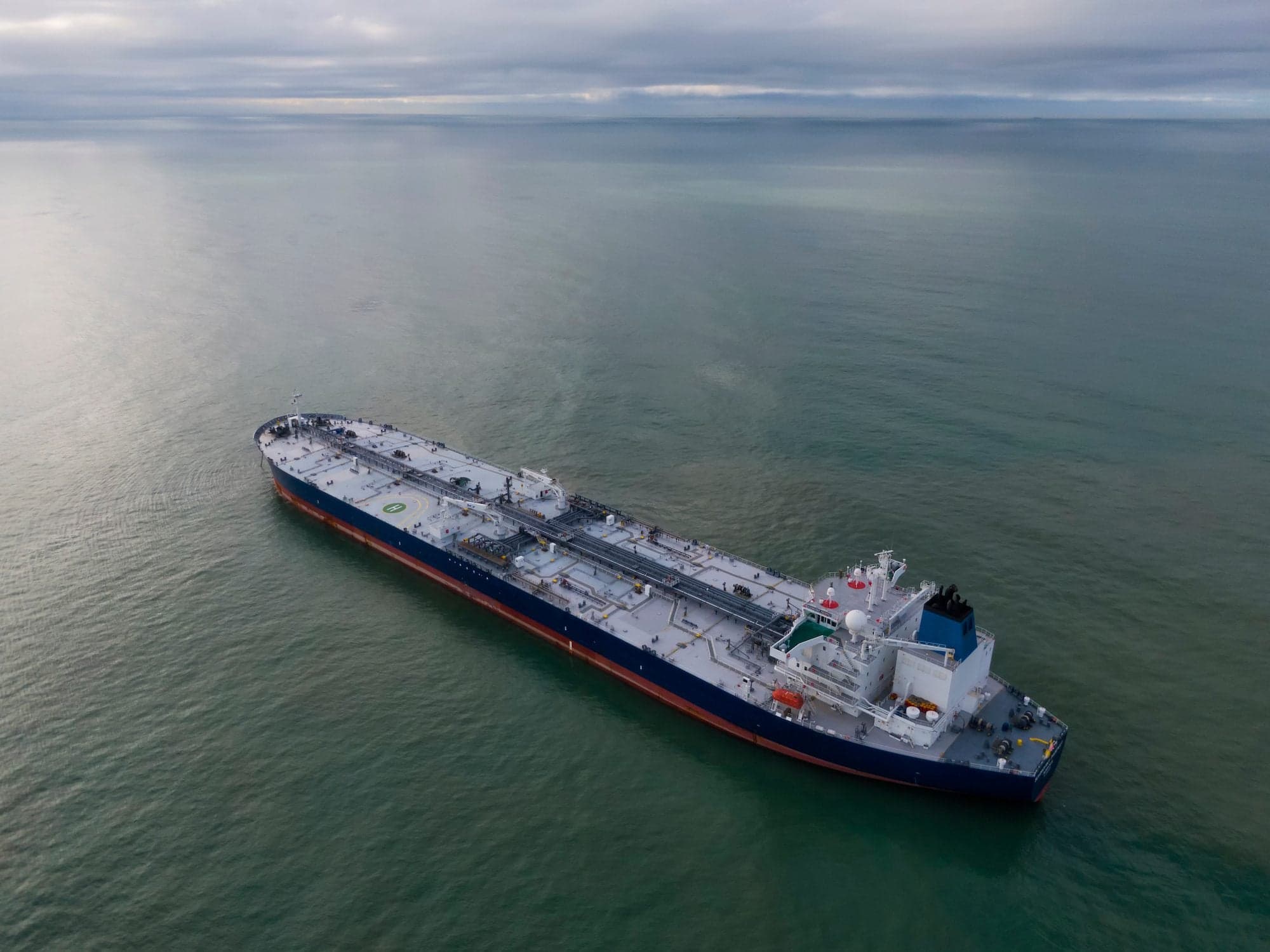
US Coast Guard and FBI investigated suspected cyber breaches on two commercial vessels in the Gulf of Mexico
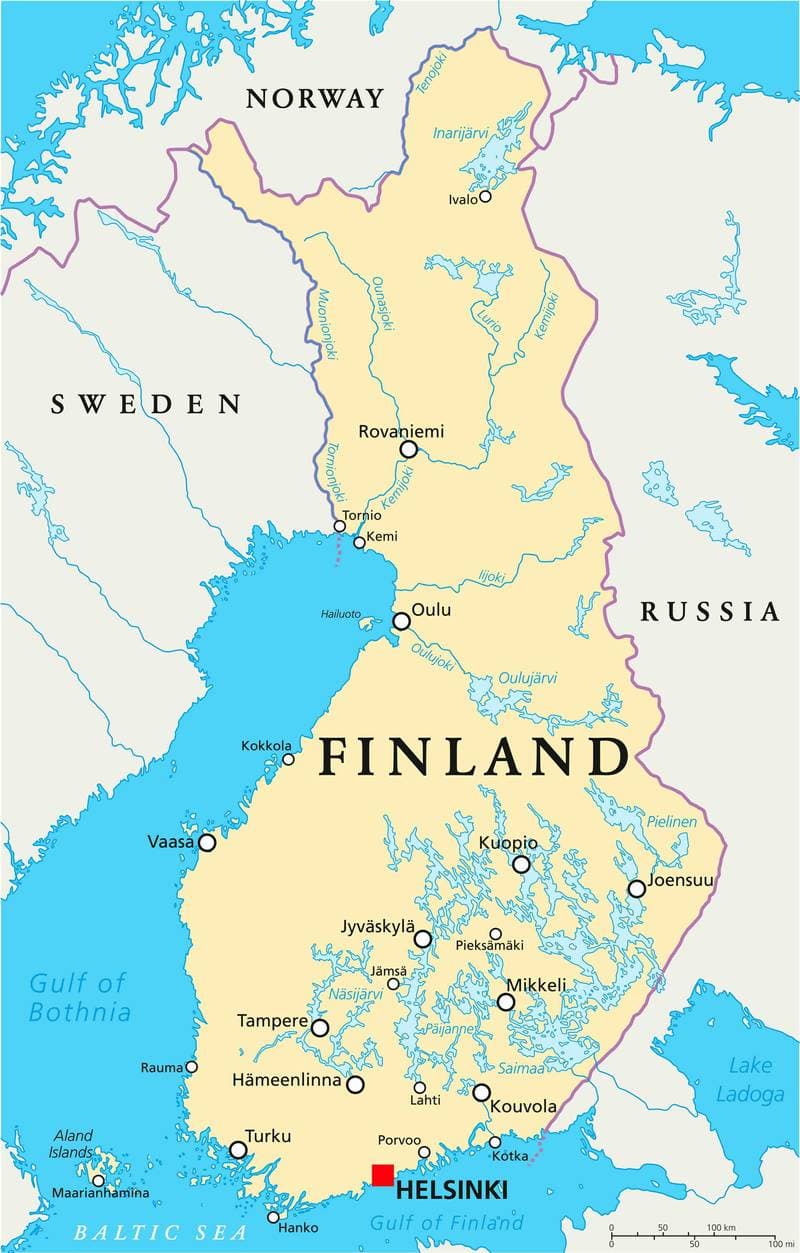
Finnish authorities conducted a live drill in the Baltic Sea, boarding a vessel to practice responses to subsea sabotage threats
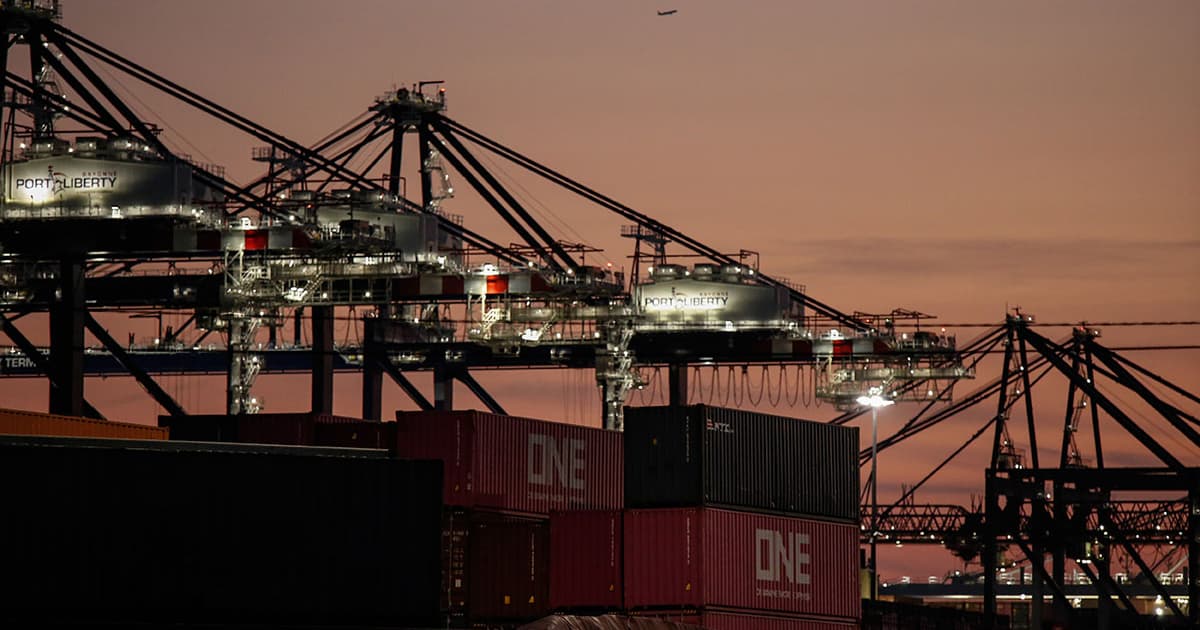
The US has delayed new tariff announcements concerning alleged excess manufacturing capacity until after the upcoming presidential summit

Italy is preparing a potential naval mission to protect its merchant shipping due to rising security concerns in the Bab el-Mandeb Strait
A U.S. House vote could lead to a 100% tariff on Indian imports of Russian oil, impacting global energy markets.
Industry leaders discussed integrating seafarer welfare into charter contracts, addressing crew safety and mental health amid global threats
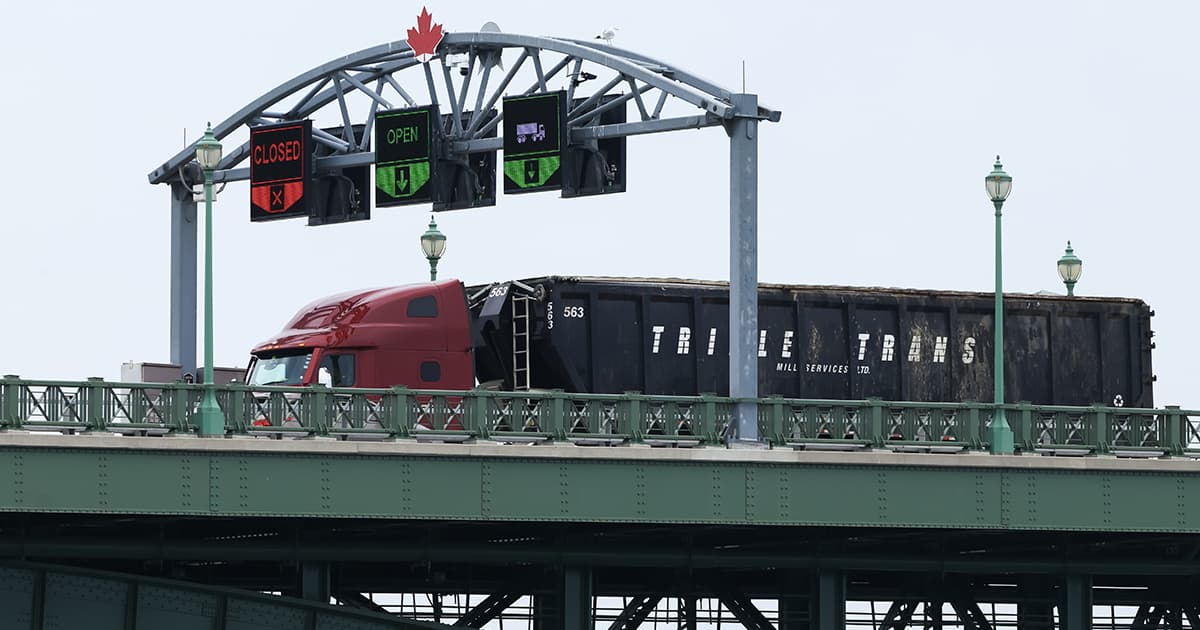
A new order from the Trump administration bans U.S. government purchases of goods manufactured in Canada.

Canadian Prime Minister Mark Carney backs EU associate membership to protect national sovereignty and market control.
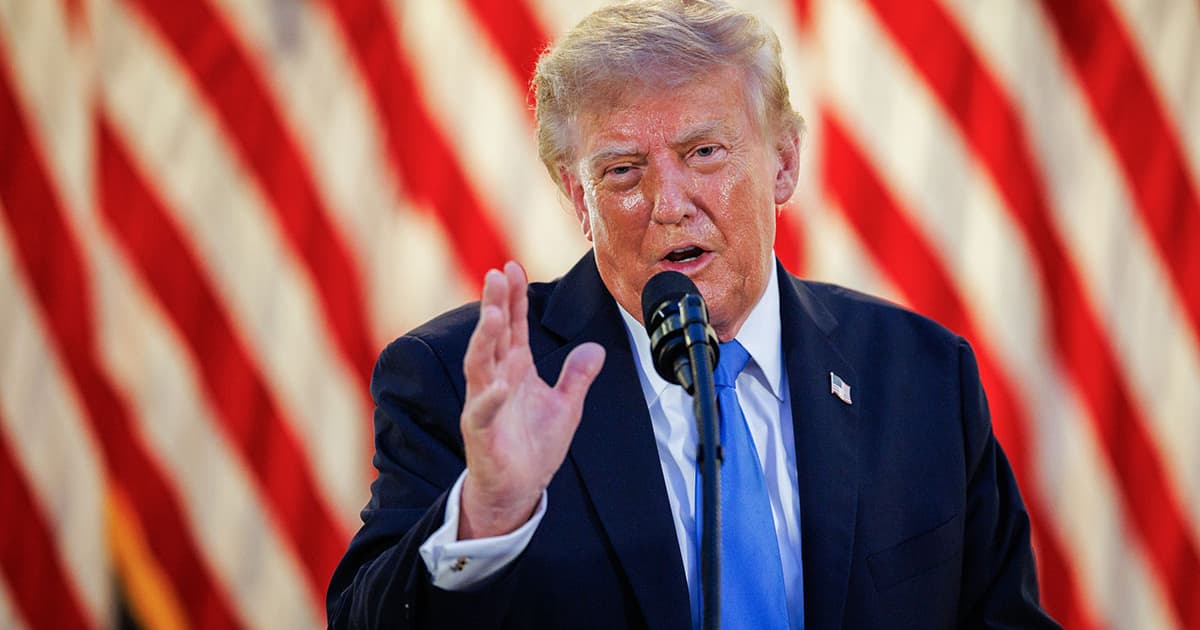
Donald Trump threatens significant tariffs or trade cessation with Europe if the EU backs Canada's digital services tax proposal
Browse by mode or open the Intelligence Suite for cross-cutting briefs.