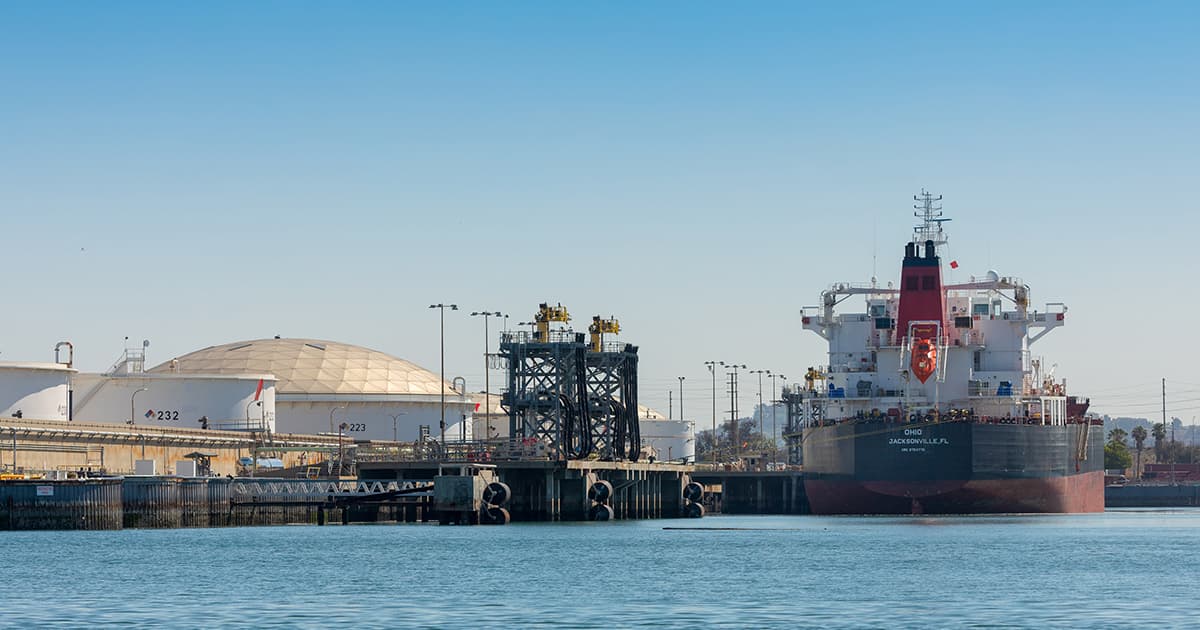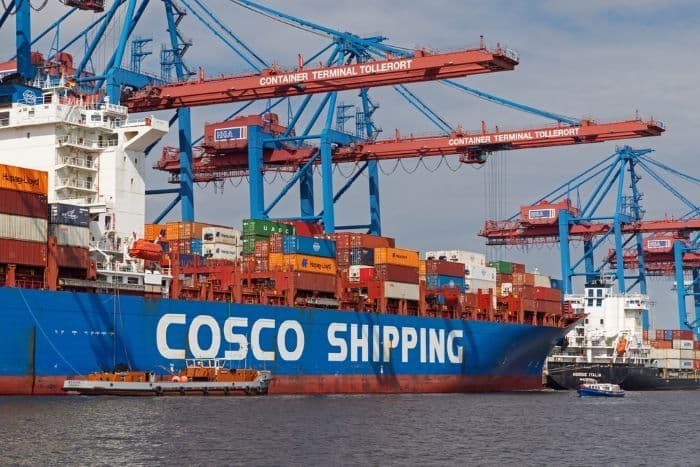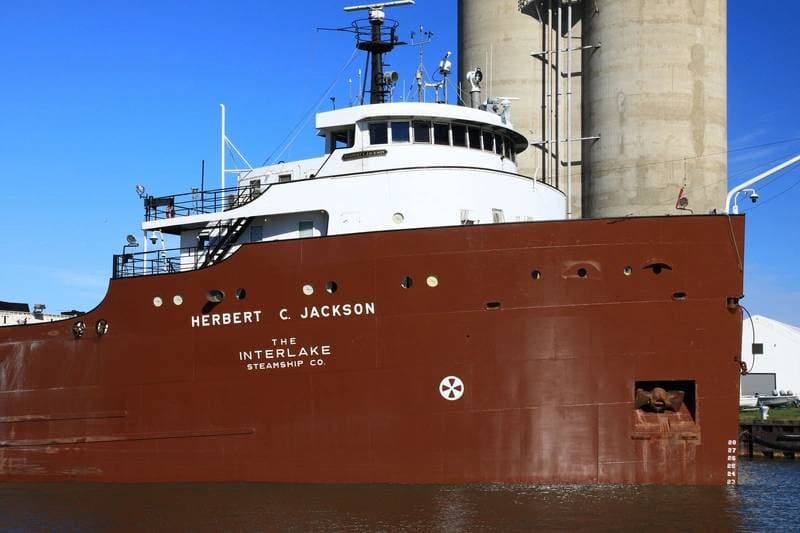
On March 17, 2026, the U.S. Department of Homeland Security (DHS) implemented an extensive waiver of the Jones Act, following a request from the U.S. Department of Defense (DoD). This action represents one of the most significant exemptions to the nation's cabotage laws ever enacted, effectively allowing non-U.S. flagged vessels to operate in domestic maritime trade.
This waiver has substantial implications across several sectors. For freight forwarders and logistics professionals, this could temporarily increase vessel capacity for domestic movements, potentially easing bottlenecks and reducing costs on specific routes that were previously restricted to U.S.-flagged ships. However, it also introduces complexities regarding customs, port operations, and potentially different regulatory standards for foreign vessels operating in U.S. waters. Shippers might see more options for transporting goods between U.S. ports, especially for critical cargo, but should be aware of the temporary nature of such waivers and their potential impact on long-term supply chain planning.
The long-term effects on American shipping, energy supply chains, and national security are still being assessed. While such waivers can provide immediate relief during specific crises or strategic needs, they also raise questions about the sustained viability of the U.S. merchant marine and its ability to support national interests without the protections afforded by the Jones Act.