
110d ago·Breakbulk.News
US-Iran Agreement Impacts Oil Markets and Gulf Shipping
A US-Iran agreement is set to ease oil market tensions, potentially lowering supply risks and impacting Gulf shipping and project cargo.
Latest coverage tied to this risk region from our curated freight publishers, across the topics that define it.
A US-Iran agreement is set to ease oil market tensions, potentially lowering supply risks and impacting Gulf shipping and project cargo.
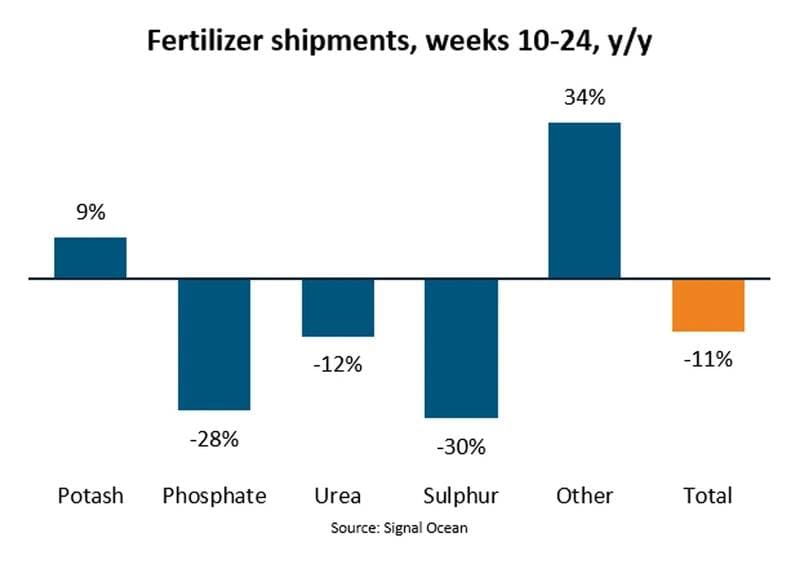
A potential US-Iran ceasefire could reopen the Strait of Hormuz, boosting global fertilizer shipments and stabilizing prices
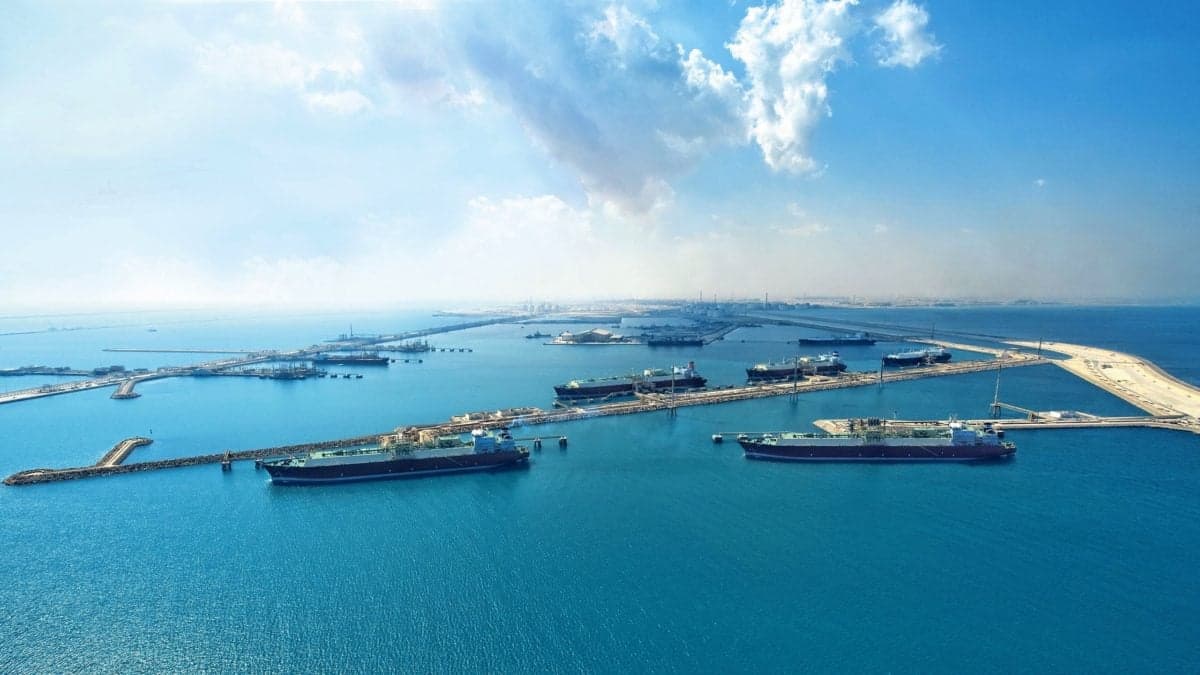
Qatar has sent an empty LNG tanker into the Persian Gulf via the Strait of Hormuz, signaling potential export increases
Tanker owners emphasize mine clearance as the top priority to ensure safe commercial shipping through the Strait of Hormuz.
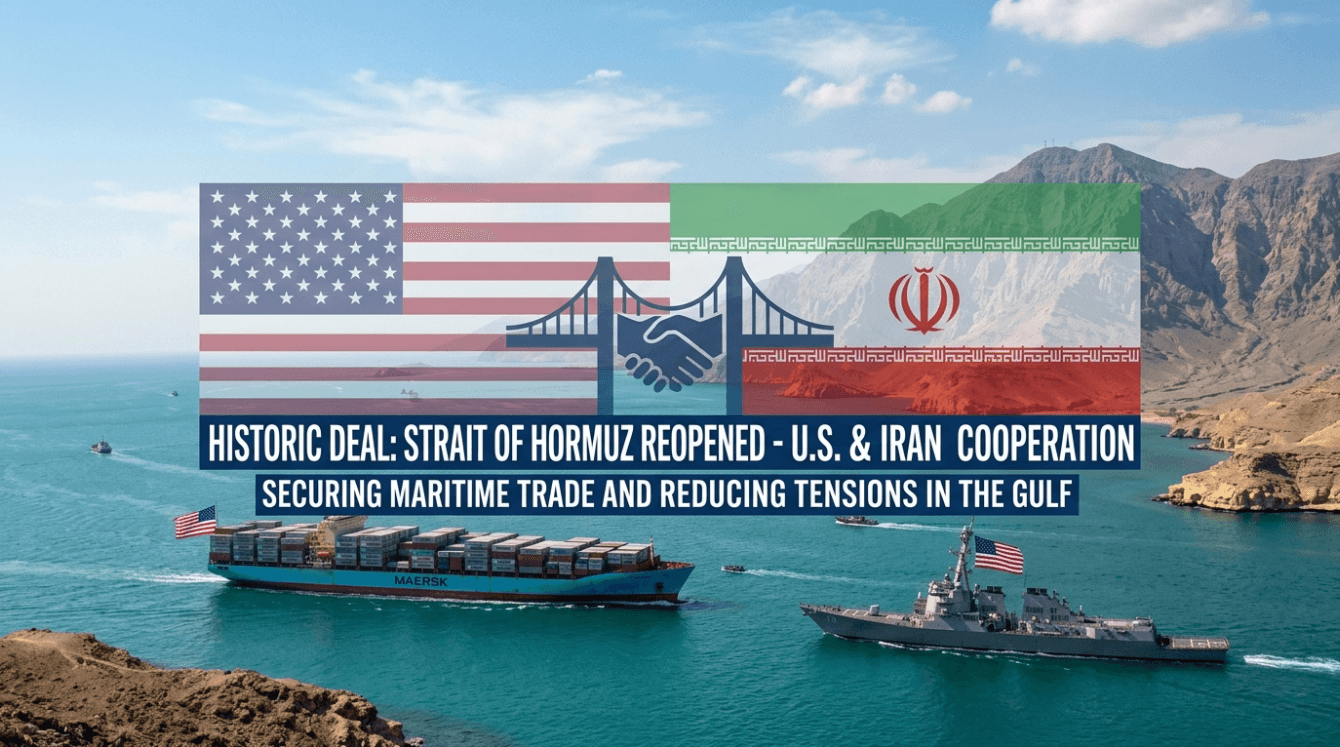
Despite a ceasefire in the Strait of Hormuz, 483 vessels are trapped due to mine clearance delays and high war risk premiums.
A US-Iran deal is expected to allow shipping to resume through the Strait of Hormuz, easing regional tensions
A bulk carrier with corn reached Iran, passing a US blockade line near the Strait of Hormuz, ahead of a peace agreement
Aluminum futures in the UK dropped to a two-month low following a US-Iran peace deal, easing supply concerns.
A US-Iran deal to ease tensions and reopen the Strait of Hormuz may offer limited relief to European gas markets.
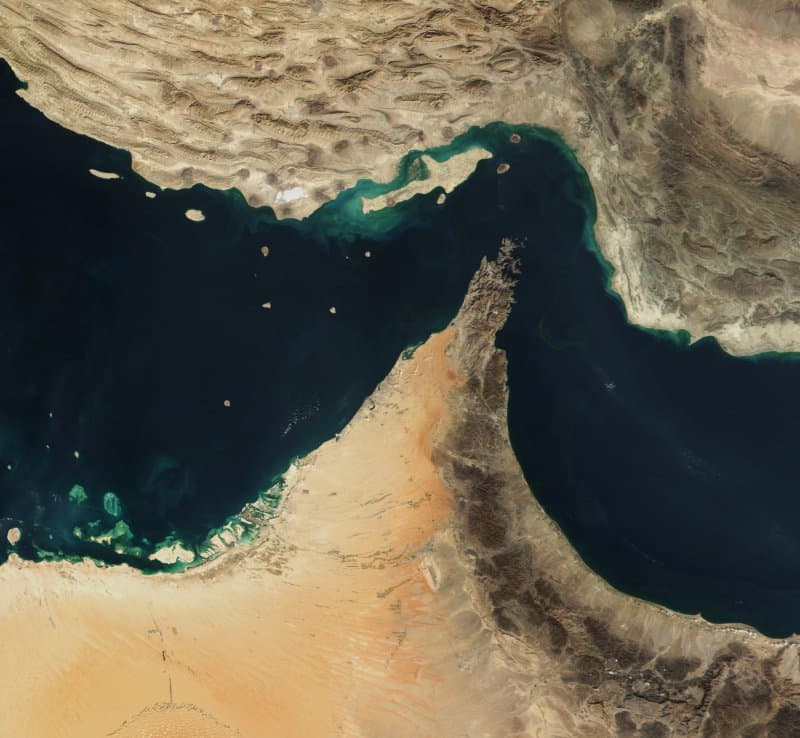
Iran confirmed an agreement with the US, leading to the reopening of the Strait of Hormuz for commercial shipping
Insurers are seeking clarity on sanctions and other issues before shipping can normalize in the Strait of Hormuz.
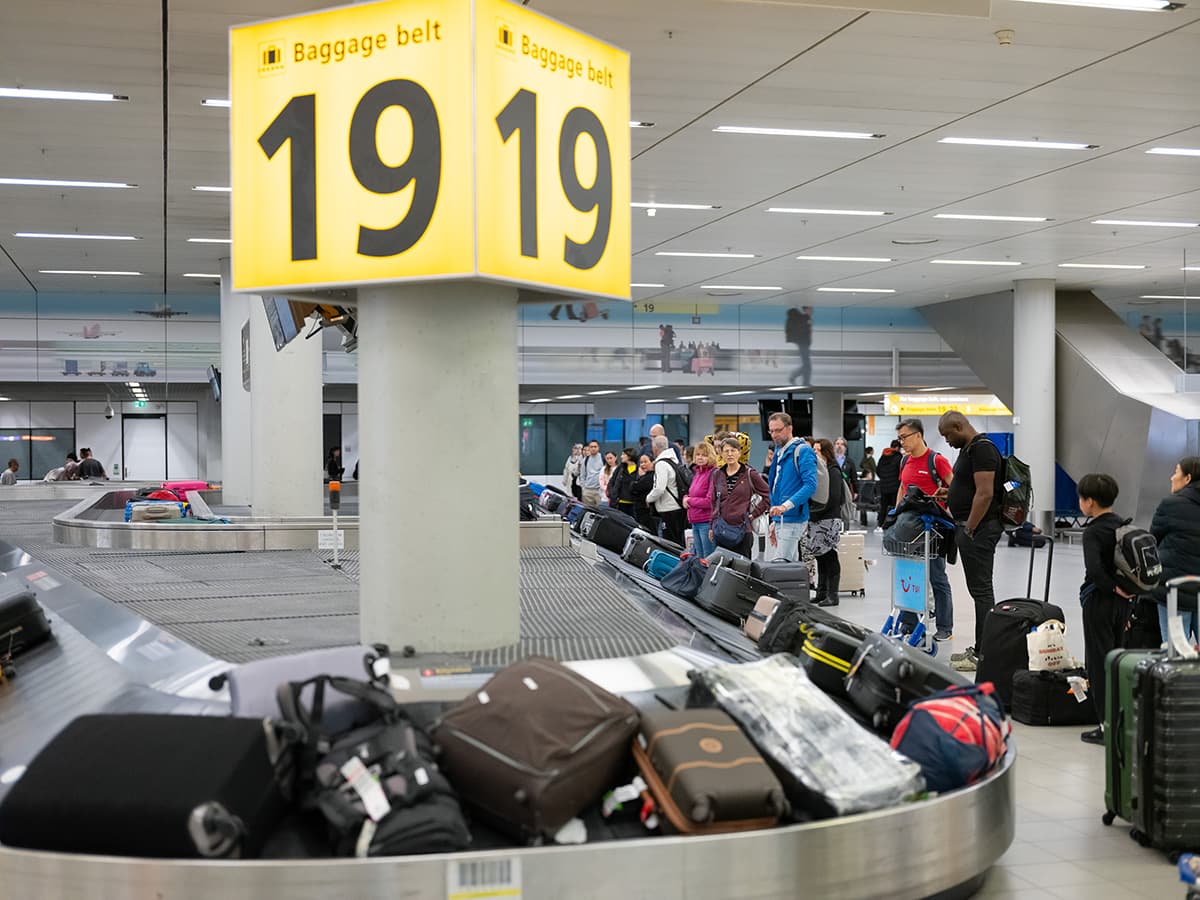
Schiphol experienced an increase in total passenger volume for May, though Middle East routes saw a sharp decline.
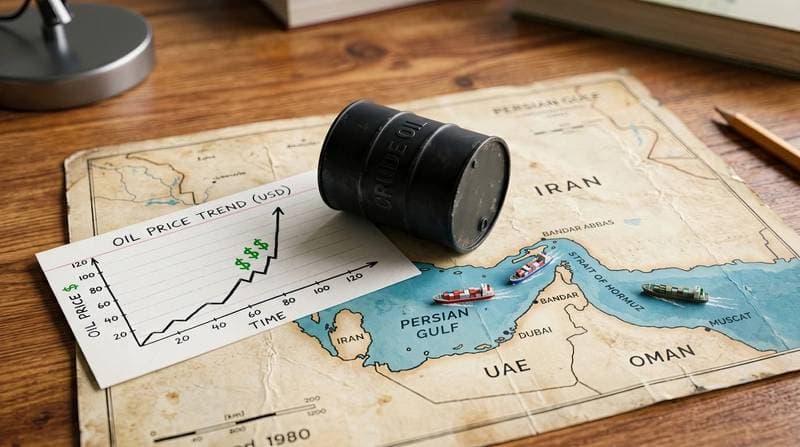
Middle Eastern oil and gas producers are seeking alternative export routes to reduce reliance on the Strait of Hormuz after recent conflict
The Strait of Hormuz has reopened following a US-Iran interim agreement, though future transit fees remain uncertain
Geopolitical instability is disrupting global shipping routes, increasing costs for consumers, despite some U.S. oil supply offsets.
War risk insurance costs for the Strait of Hormuz disproportionately impact oil product tankers more than crude carriers
Vessel traffic in the Strait of Hormuz remained low on Tuesday, despite a reported US-Iran agreement to reopen the waterway.
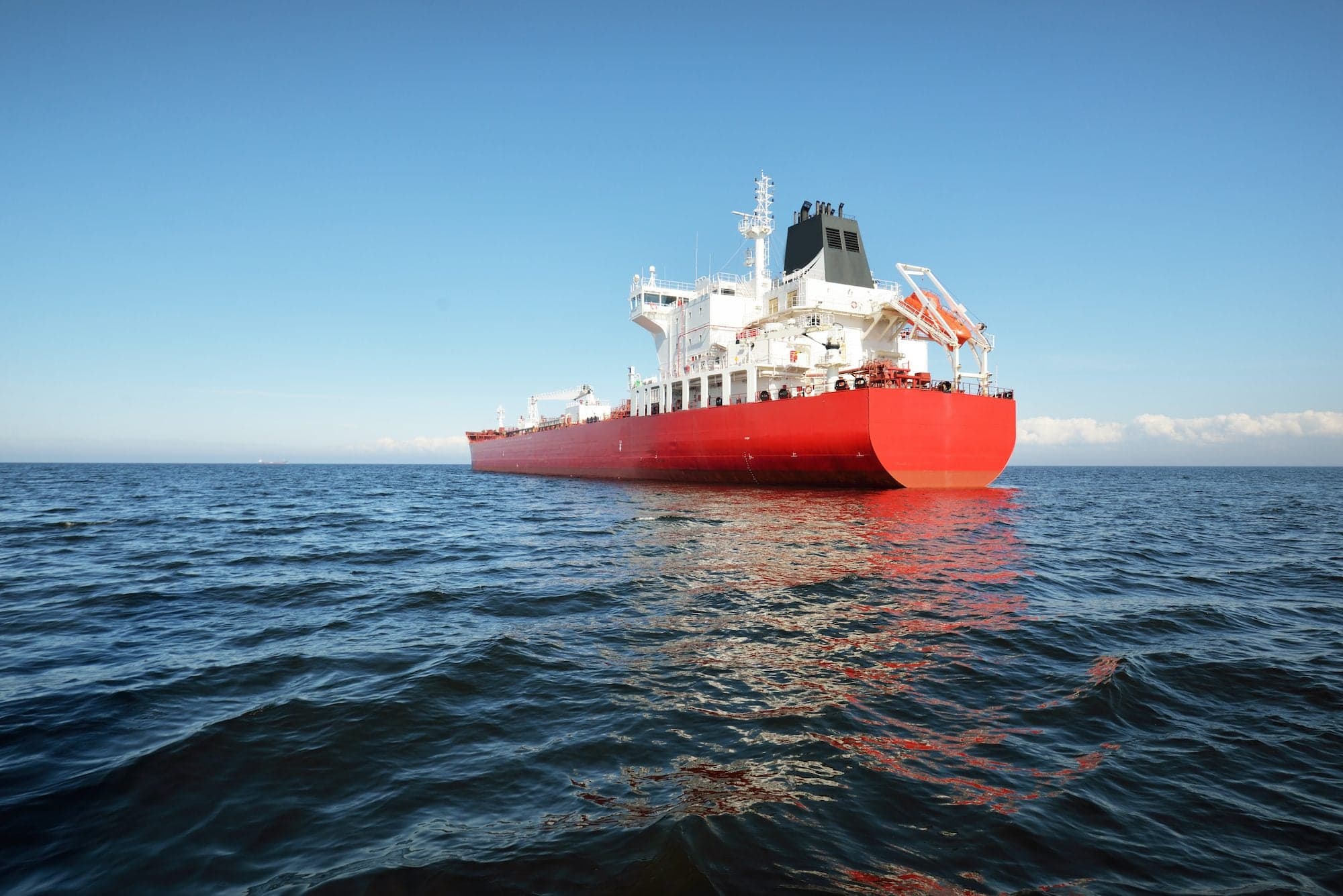
Iran is reportedly gearing up its fleet to increase oil exports and trade, coinciding with renewed oil flows from Gulf allies
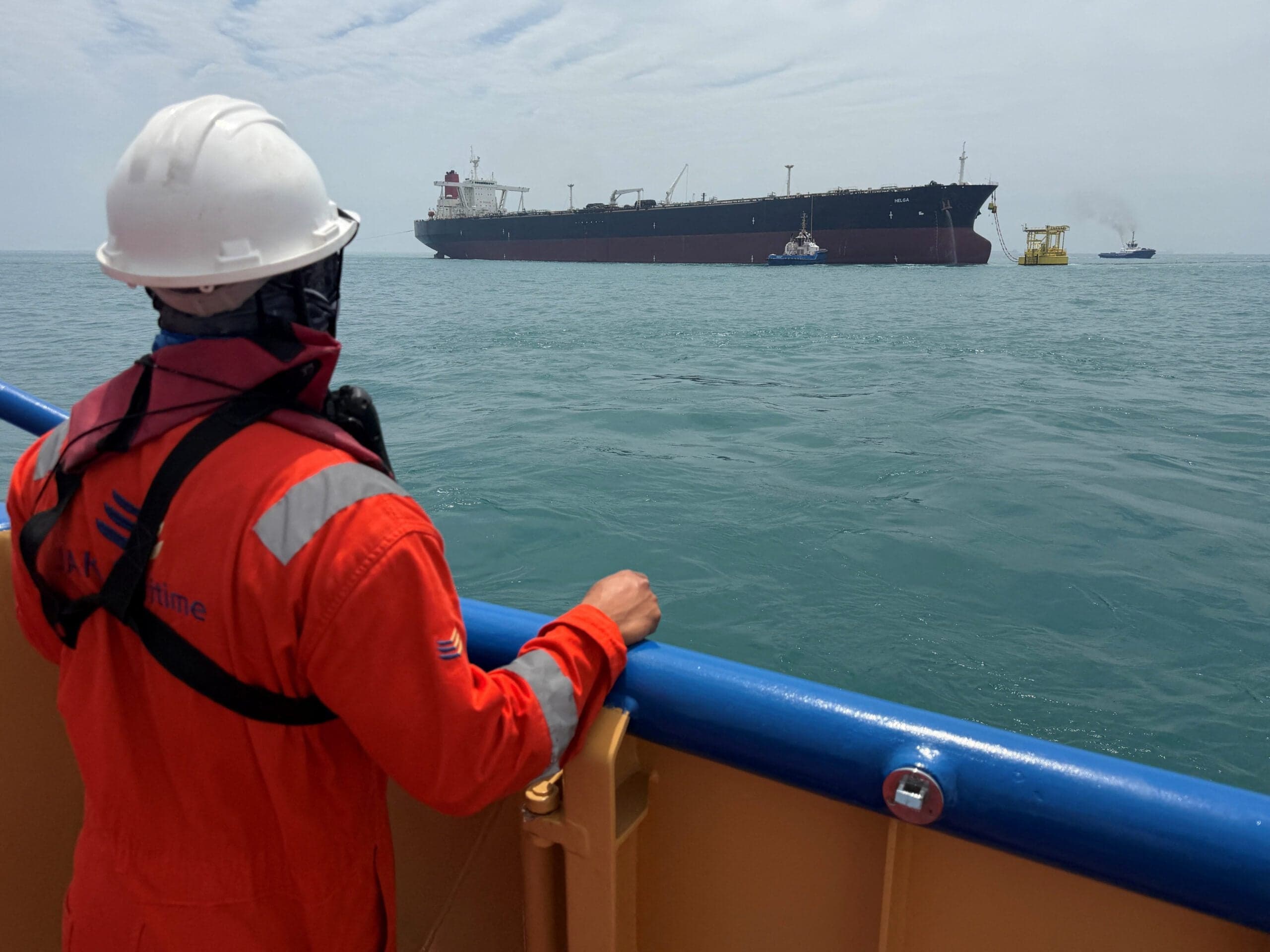
Iranian crude oil exports are reportedly resuming after a two-month naval blockade, with tankers seen in the Gulf of Oman.
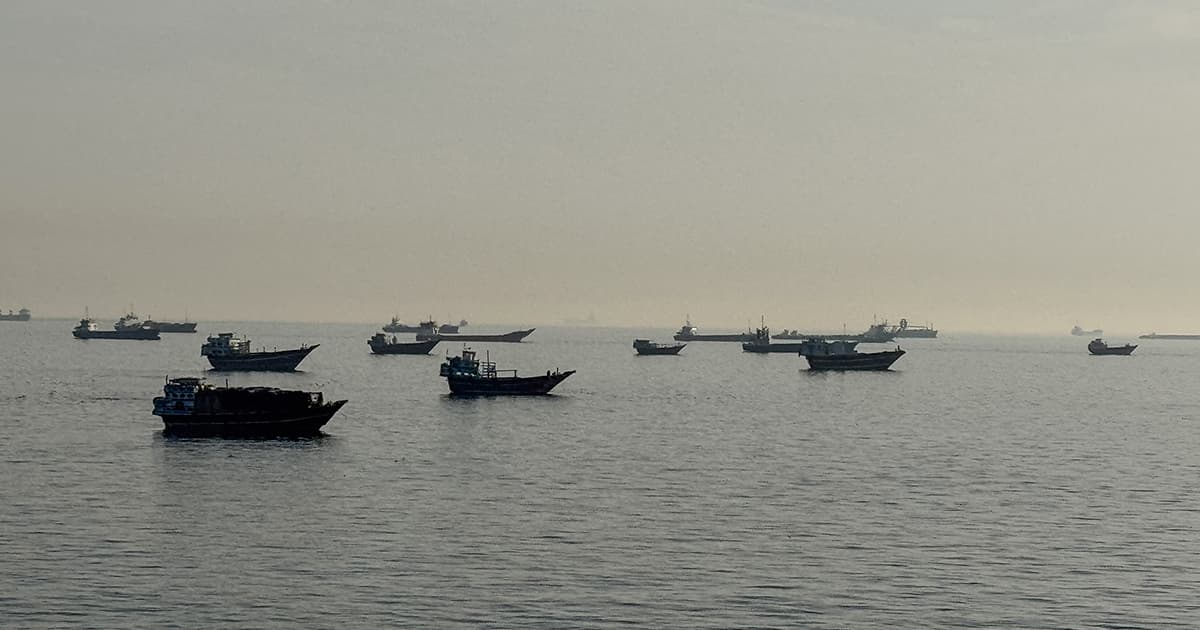
Iraq is preparing to boost crude oil exports through the Strait of Hormuz, anticipating its full reopening
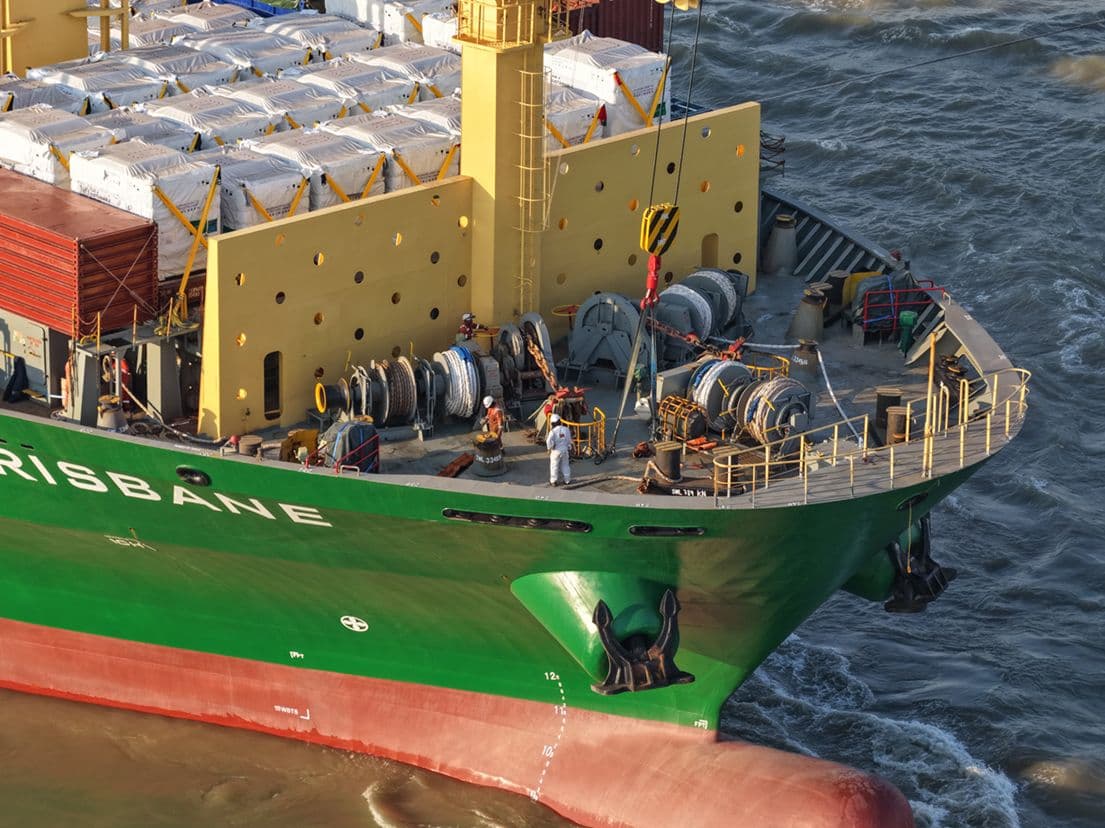
MPV operators are hesitant to resume Strait of Hormuz transits, awaiting certainty on the US-Iran peace deal's stability
Global observable oil stocks are eroding at a record pace due to the US-Iran conflict, with further falls expected
Somali piracy has surged in the Western Indian Ocean, while geopolitical tensions are escalating maritime risks for commercial shipping
Oil prices extended losses as a potential U.S.-Iran deal suggested higher global supply, despite a large draw in U.S. crude inventories.
Urals crude oil prices hit a three-month low, influenced by expectations of a US-Iran deal and potential supply increases
The crude oil market is adapting to geopolitical recovery and increased supply, yet weak Chinese demand limits price gains

The IEA has lowered its 2026 global oil demand forecast, attributing the change to the Middle East conflict's impact

The IEA predicts a gradual recovery for the global oil market after the Strait of Hormuz closure, with a surplus by 2027
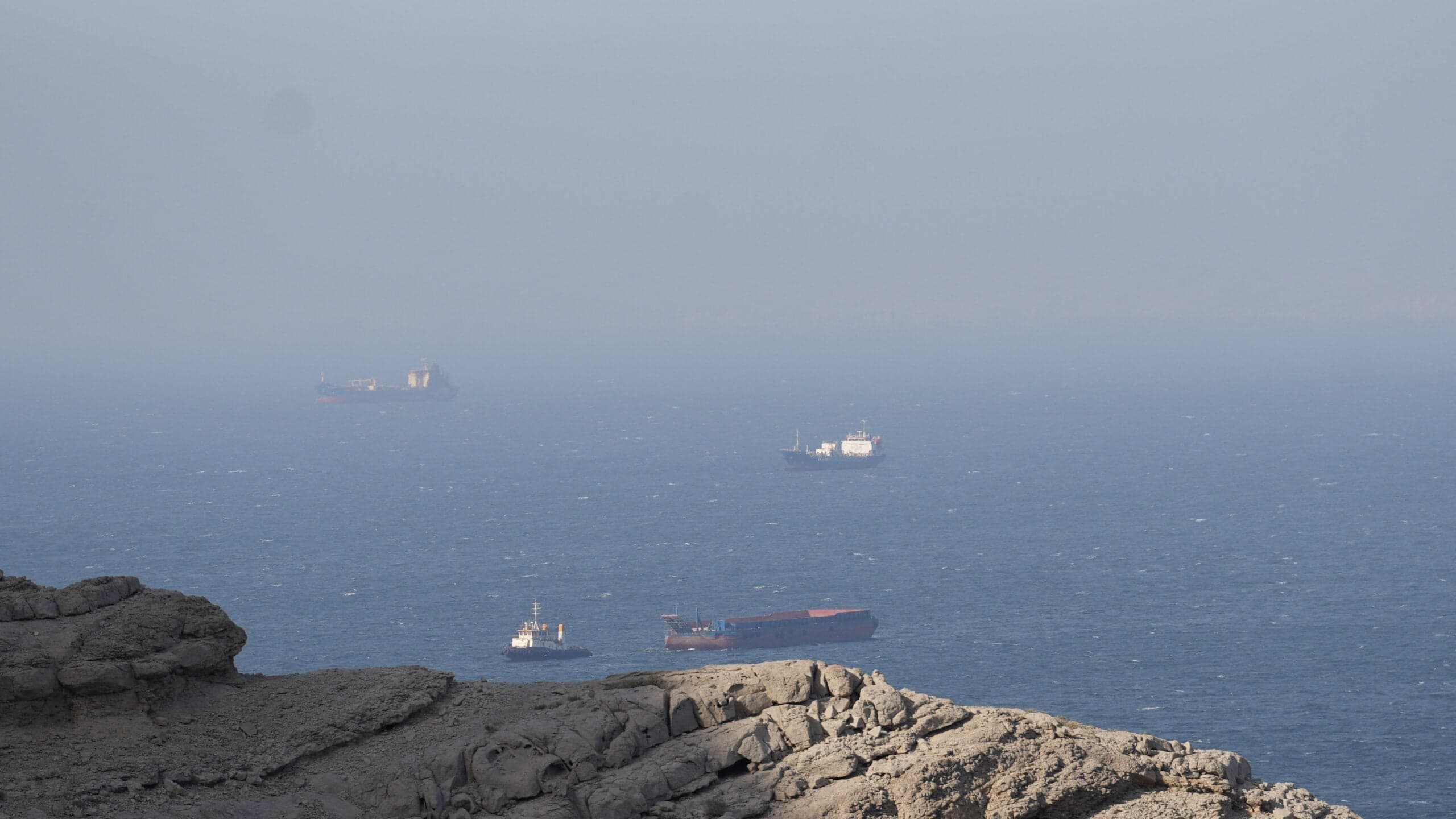
Oil tankers are diverting to the Middle East, anticipating the reopening of the Strait of Hormuz and repositioning vessels.
The Joint Maritime Information Centre has reduced the threat level for shipping in the Strait of Hormuz, but warns of continued risk
Browse by mode or open the Intelligence Suite for cross-cutting briefs.