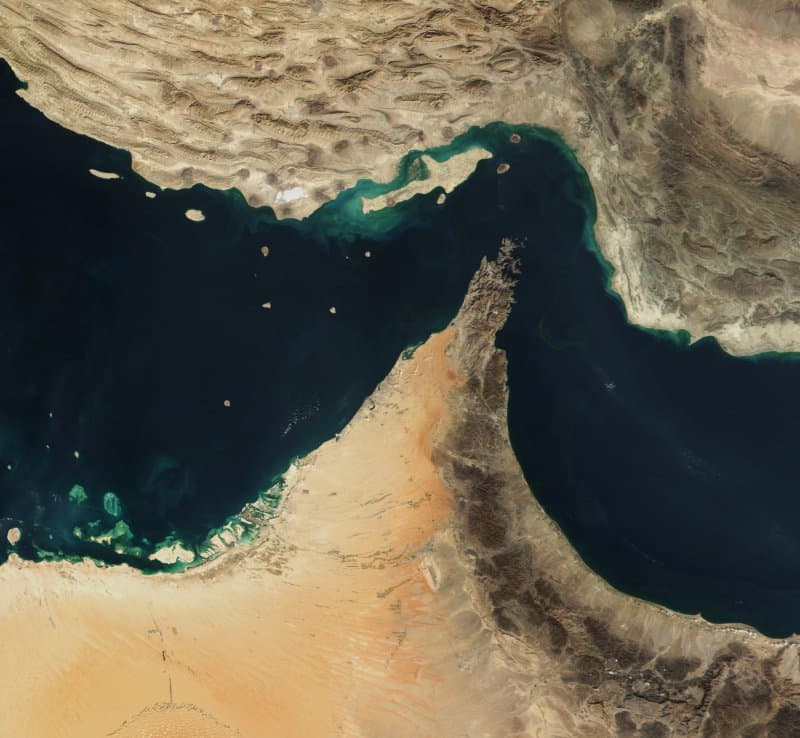
Iran's Foreign Ministry spokesman, Esmaeil Baqaei, announced that a memorandum of understanding has been signed with the United States to resolve their recent conflict. This diplomatic breakthrough is expected to lead to the immediate reopening of the Strait of Hormuz, a crucial waterway for global maritime trade.
The Strait of Hormuz is one of the world's most strategically important chokepoints, through which a significant portion of the world's seaborne oil and gas transits. Its closure or disruption has profound implications for global energy markets and supply chains.
For freight forwarders and shippers, the reopening of the Strait of Hormuz means a return to normal routing through this vital passage. This should alleviate concerns about potential diversions, increased transit times, and higher war risk premiums that typically accompany tensions in the region. Capacity and schedule reliability for vessels transiting the Gulf region are expected to stabilize, positively impacting freight rates for relevant trade lanes.