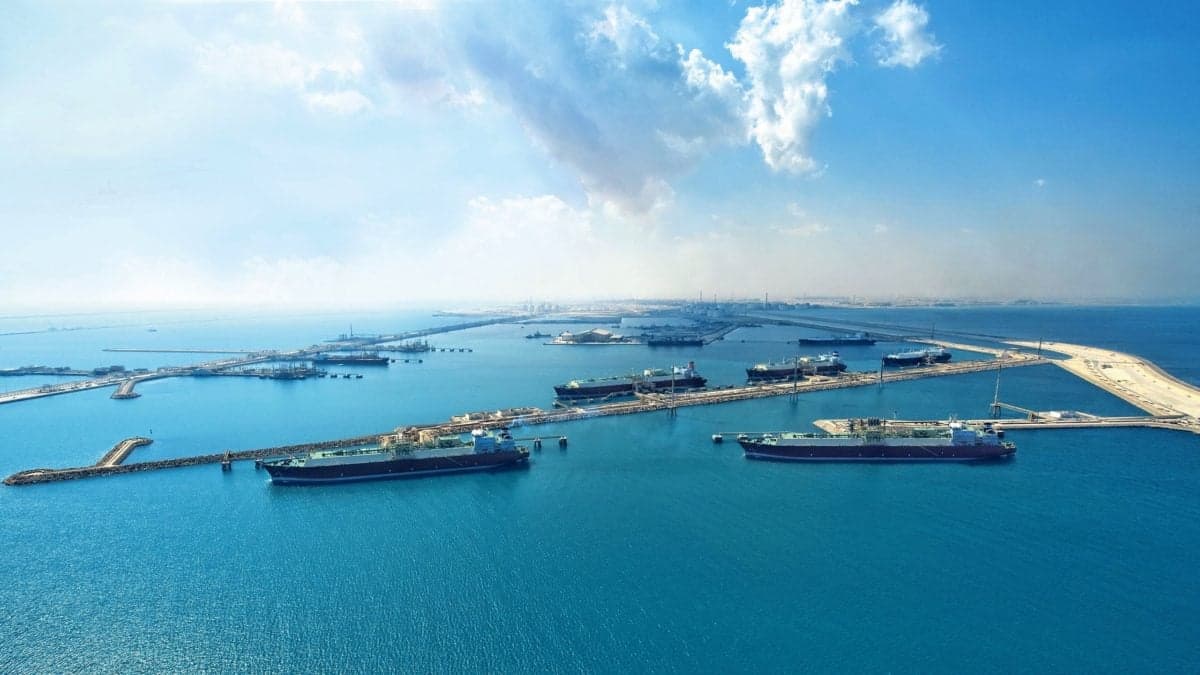
Qatar has initiated the return of an empty liquefied natural gas (LNG) tanker into the Persian Gulf via the Strait of Hormuz. This action is significant as it marks the first time such a transit has occurred since the conflict in Iran commenced, suggesting a strategic move by Qatar to potentially scale up its LNG export activities.
This development takes place against a backdrop of heightened geopolitical tensions in the region, particularly concerning the Strait of Hormuz, a critical chokepoint for global energy shipments. The decision to resume these transits, despite the ongoing conflict, underscores the importance of maintaining energy supply routes and Qatar's role as a key player in the global LNG market.
For freight forwarders and supply chain managers, this could indicate a potential increase in LNG cargo availability from Qatar, which might influence shipping schedules and vessel demand in the tanker sector. However, the continued geopolitical instability in the Persian Gulf and the Strait of Hormuz means that war risk premiums and security considerations for vessels transiting the area will remain a critical factor in operational planning and cost assessments.