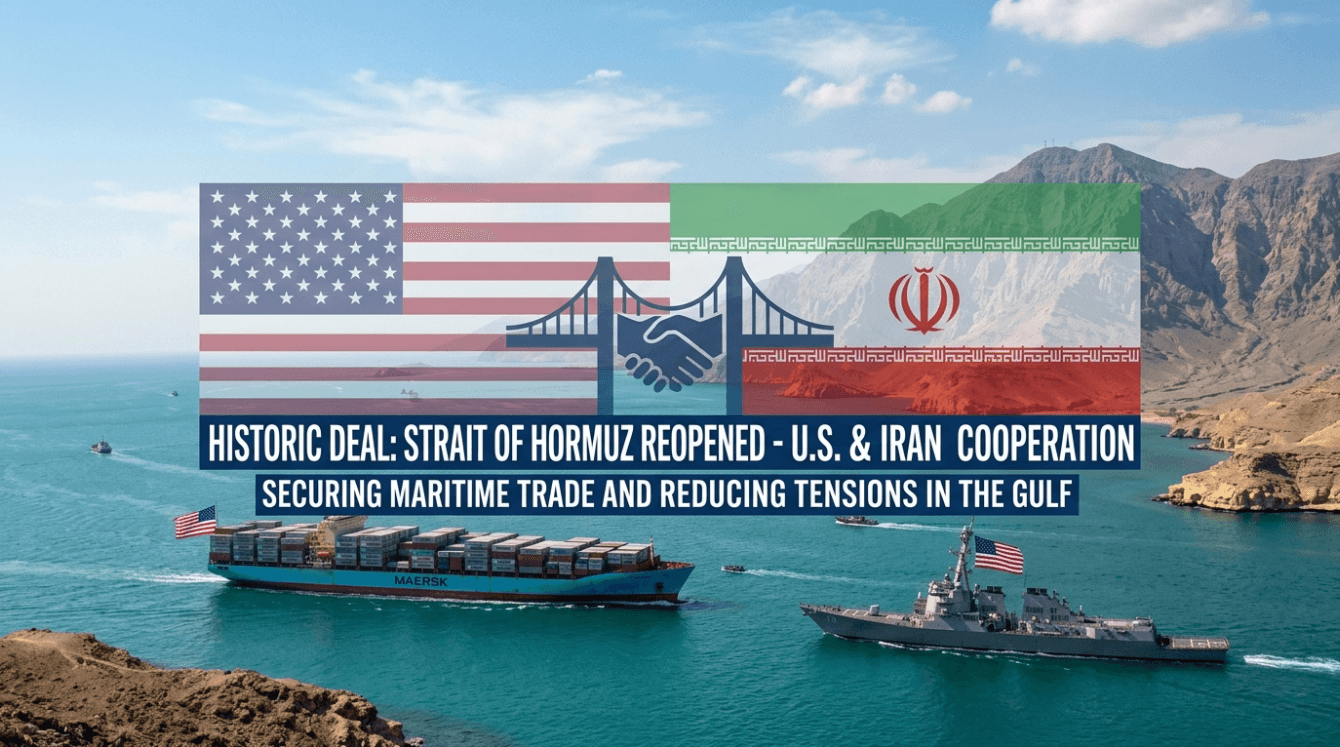
A ceasefire agreement has been finalized for the Strait of Hormuz, a critical maritime chokepoint. However, the immediate resumption of shipping is hindered by significant operational challenges. Approximately 483 vessels are currently unable to transit the strait, primarily due to ongoing delays in mine clearance operations. This situation is further complicated by persistently high war risk insurance premiums, which are deterring shipowners and their insurers from committing to voyages through the area.
For freight forwarders and operations managers, this situation translates into continued uncertainty and potential disruptions to vessel schedules. The inability of vessels to move freely through the Strait of Hormuz means extended transit times for cargo, as ships may need to reroute or remain idle. The elevated war risk premiums will likely be passed on to shippers, increasing overall freight costs for cargo moving through or near this region. Forwarders must communicate these risks and potential cost increases to their clients, while also exploring alternative routing options if available, although options for such a critical chokepoint are limited.
The immediate focus remains on establishing safe transit corridors and completing mine clearance to restore confidence and allow vessels to proceed. Until these conditions are met, the flow of maritime traffic through the Strait of Hormuz will remain severely constrained, impacting global supply chains.