The International Energy Agency (IEA) highlighted in its June oil market report that global observable oil stocks are diminishing at an unprecedented rate. This decline is attributed to a significant reduction in crude oil and refined product demand, primarily stemming from the ongoing US-Iran conflict. Since the war's commencement, oil stocks have decreased by an average of 3.8 million barrels per day. Preliminary data for May showed a considerable draw of 143 million barrels, equivalent to 4.6 million barrels per day. The IEA anticipates continued reductions in global oil reserves.
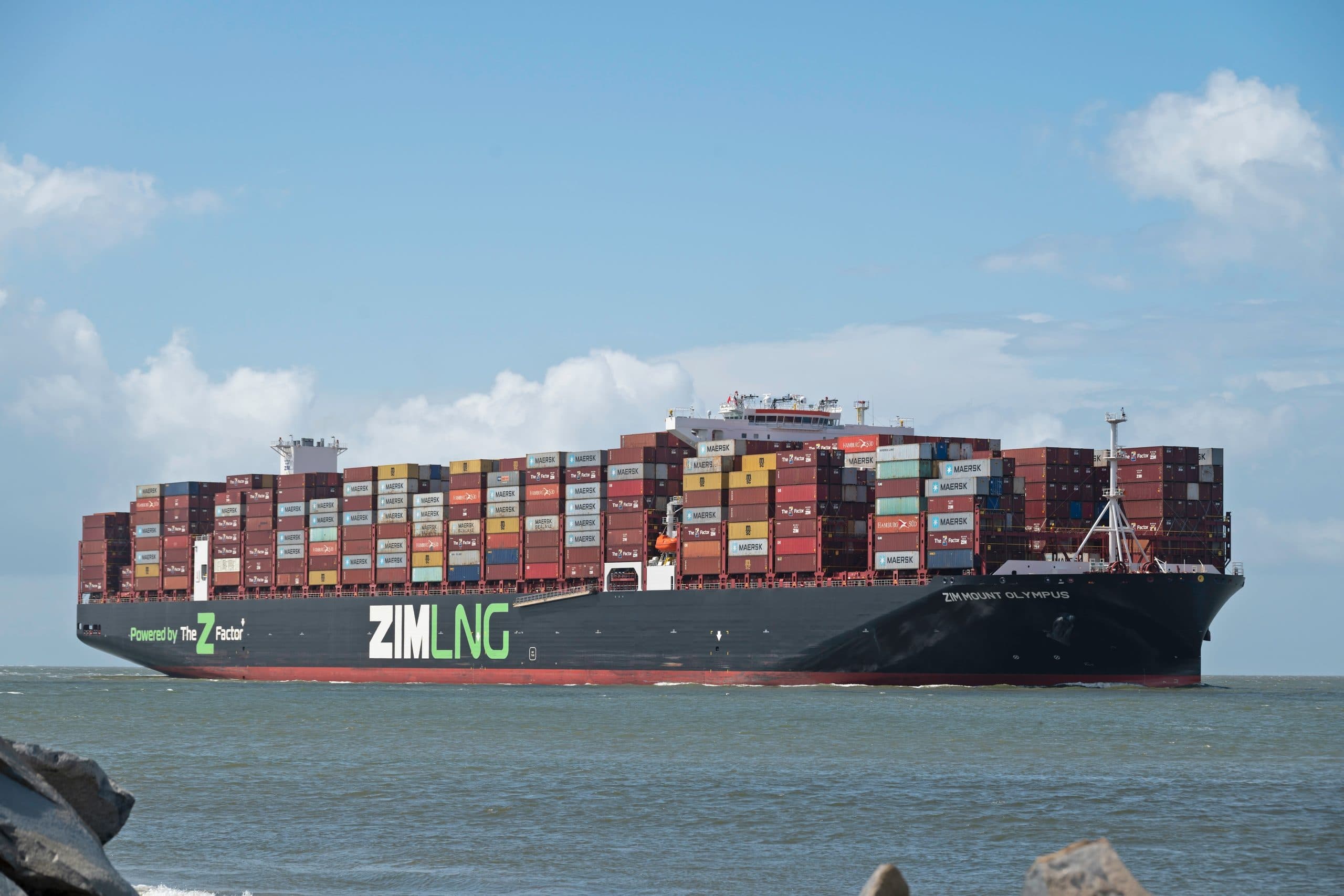
For freight forwarders and shippers, this erosion of global oil stocks signals potential volatility in bunker fuel prices. A shrinking supply buffer typically leads to increased price sensitivity, meaning any further disruptions or shifts in demand could result in sharp price hikes. This directly impacts operational costs for ocean freight, as bunker fuel is a major component. Forwarders should monitor these developments closely and consider strategies to mitigate potential cost increases, such as incorporating fuel surcharges or exploring more fuel-efficient routing options. The tightening supply could also influence carrier decisions regarding vessel speeds and routing, potentially affecting schedule reliability.