Recent reports indicate that Iran is making preparations to resume and increase its oil exports and trading operations. This move comes as the U.S. President has highlighted the ongoing oil flows from other Gulf nations. The potential re-entry or significant increase of Iranian oil into the global market could have several implications for the maritime logistics sector.
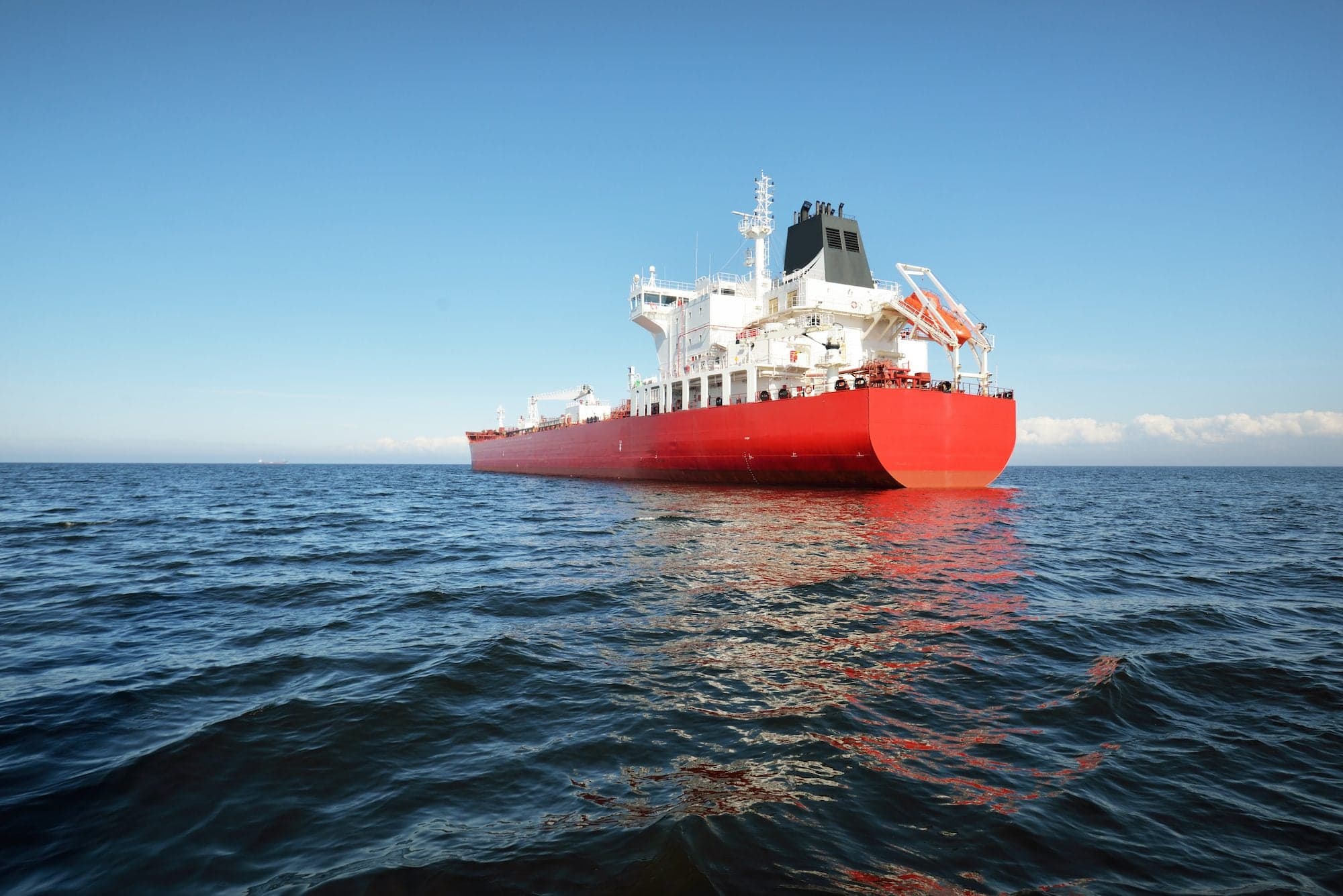
For freight forwarders and shippers, an increase in Iranian oil exports would likely lead to higher demand for crude oil tankers, particularly Very Large Crude Carriers (VLCCs) and Suezmax vessels operating in the Middle East. This surge in demand could put upward pressure on tanker freight rates, making it more expensive to transport oil from the region. Additionally, increased activity might affect vessel scheduling and availability, requiring forwarders to monitor the market closely for capacity constraints and potential delays. The geopolitical context of Iranian oil exports also introduces an element of risk, which could influence insurance premiums and routing decisions for vessels involved in this trade.